You have your first job, your first paycheck, and your first apartment lease starting in 30 days. Now you need to fill an empty space with everything required for adult life, on a budget that has to also pay first month’s rent and a security deposit.
This guide is the realistic first apartment essentials list for a college graduate. Not Pinterest perfect. Not maximalist. Just what you actually need on day one, what to buy in month one, what to skip entirely, and how to do it under 1,000 dollars.
The honest college grad budget
Most college grad first apartment lists you find online assume an unlimited budget. The reality is your first paycheck is also paying for:
- First month’s rent (roughly equal to your monthly take home)
- Security deposit (one to two months’ rent)
- Application fees, broker fees, sometimes
- Moving costs (truck rental, friends pizza)
- Setup fees for utilities, internet
- And all the things you need inside the apartment
If your move in costs are 3,000 to 5,000 before you have set foot inside, the apartment furnishing budget is realistically 800 to 1,500 dollars for everything in the first month. That is the constraint this guide assumes.
Day one essentials, before you sleep there
The non negotiable list. If these are not in the apartment by night one, you are sleeping in a sleeping bag and ordering takeout.
Sleep
- Mattress. The biggest single purchase. Realistic budget options: Zinus, Allswell, Tuft and Needle. 250 to 500 for a queen. Mattress in a box delivered same week.
- Bed frame. Either a basic metal frame (50 dollars) or skip the frame and use a low platform style, or just put the mattress on the floor for the first month. Honest answer: floor mattress is fine for 30 days while you figure out the rest.
- Sheets, two pillows, one pillowcase set, one duvet, one duvet cover. The lowest possible bedding bundle. About 100 dollars total at Target.
Eat
- Plates, bowls, mugs, glasses (set of 4 each). The 4 piece sets at Target or IKEA are 30 to 50 dollars total.
- Forks, knives, spoons. 16 piece set, 25 dollars.
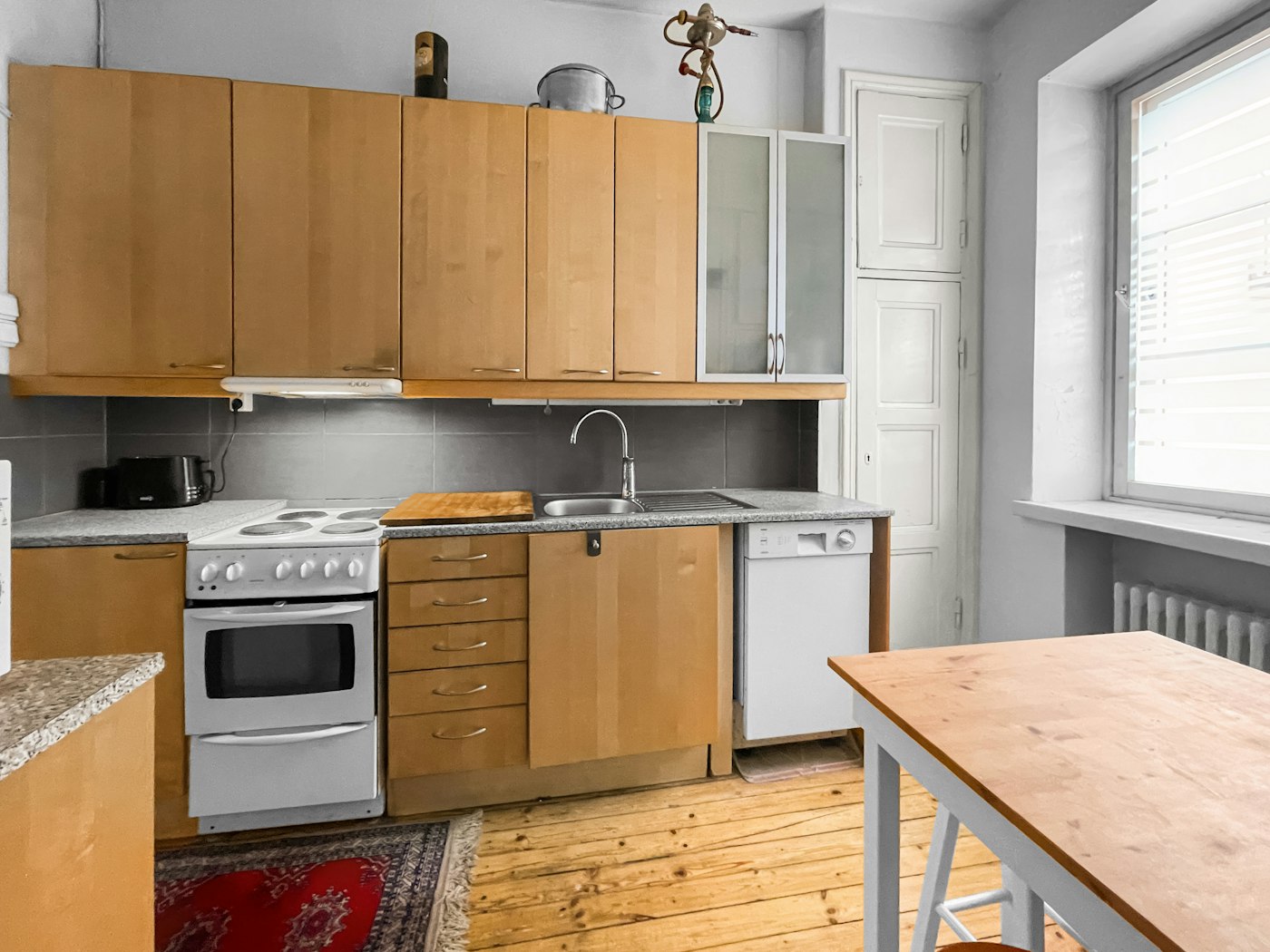
- One pot, one pan, one baking sheet, one wooden spoon, one spatula. The minimum to cook anything. 80 to 120 dollars for the bundle.
- One sharp knife and a cutting board. One good 8 inch chef’s knife (Victorinox Fibrox at 40 dollars beats anything cheaper) and a basic cutting board.
- A tea kettle or basic coffee setup. Whatever your morning depends on. 30 dollars max.
Clean
- Toilet paper, paper towels, dish soap, hand soap, all purpose cleaner, bathroom cleaner, sponges. One Target run, about 50 dollars.
- Trash bags and a trash can. Kitchen trash can with lid, 30 dollars. Bathroom trash can, 10 dollars.
- Vacuum or broom. If you have carpet, a basic stick vacuum is 60 to 100 dollars. Hardwood, a broom and dustpan for 15 dollars works.
Bathroom
- Shower curtain and rings. 30 dollars.
- Bath mat. 15 dollars.
- Towels (2 bath, 2 hand, washcloths). 50 dollars at Target.
- Basic toiletries. Whatever you already use, transferred from your old place.
Day one total: about 750 to 1,100 dollars. This gets you sleeping, eating, cleaning, and bathing. Nothing else. The apartment will still feel sparse. That is fine.
Month one additions
After 30 days of living in your day one setup, you will know what is missing. The realistic additions in month one (within your second paycheck):
- A small couch or futon. 200 to 500 dollars. IKEA, Wayfair, AptDeco for used.
- One floor lamp and one table lamp. 60 to 100 dollars.
- One area rug. 80 to 200 dollars depending on size. Single biggest visual upgrade for a sparse apartment.
- Curtains for at least the bedroom. 30 to 50 dollars per window.
- A small dining setup. Either a small folding table and 2 chairs (100 dollars) or stools and you eat at the kitchen counter.
- A laundry basket or hamper. 20 dollars.
- A drying rack if no dryer in the apartment. 30 dollars.
- One nice picture frame and one piece of art. The first decor that says it is your place.
Month one total: 600 to 1,200 dollars on top of day one.
What NOT to buy in your first apartment
This is the section most lists skip. Saving 200 to 500 dollars by skipping these:
- A full dining table set. If you live alone or with one roommate, you eat at the couch or counter for the first year. The dining table sits unused. Get it later.
- A bedroom dresser immediately. Use a hanging closet organizer and under bed bins for the first 6 months. A real dresser is 200 plus dollars and not urgent.
- Matching bedroom furniture sets. They look cheap and they are. Mix and match individual pieces over time.
- A vacuum if you have hardwood floors. Broom and dustpan covers it.
- An expensive coffee maker. A 15 dollar French press makes the same coffee as a 200 dollar Breville for 6 months until you decide what coffee setup you actually want.
- A complete spice rack. Buy spices as you actually cook with them. Most pre made spice sets contain 8 spices you never use.
- “Cute” decor before you have lived there a month. You do not know what walls feel empty, what corners feel awkward, what colors look good in your light. Wait 30 days, then decorate.
- A printer. The library or your office prints things now. You will print 4 things in your first year of post grad life.
- Storage bins before you know what you have to store. Move first, then see what you actually own, then buy bins.
- Brand new towels, pots, sheets. Your parents have a closet full of stuff that is fine. Take what they offer.
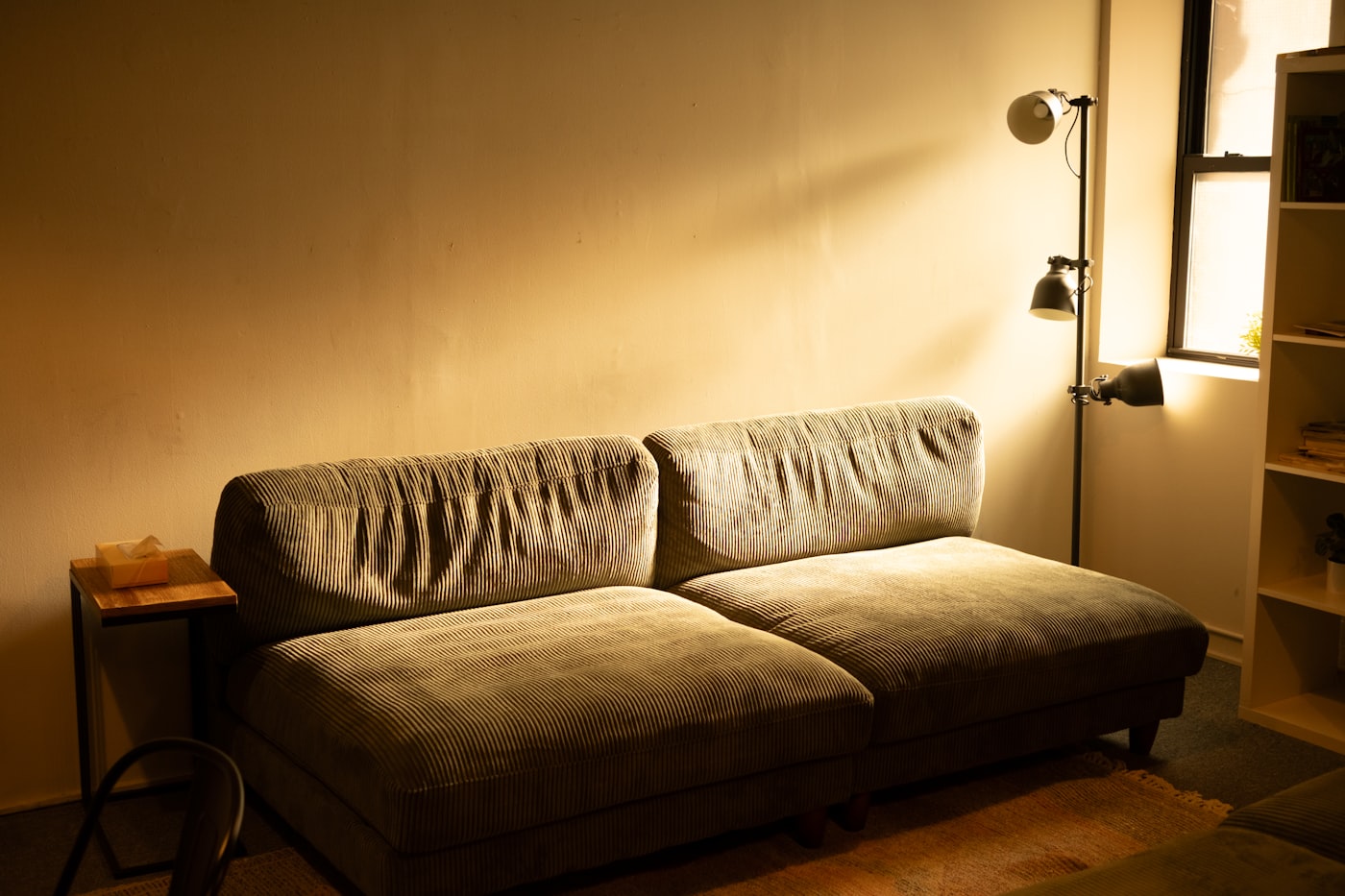
The kitchen reality check
Most college grads dramatically overbuy kitchen equipment. You do not need a stand mixer, a food processor, an air fryer, an instant pot, a rice cooker, and a slow cooker before you have ever cooked dinner in your apartment.
What you actually need to cook 90 percent of meals as a 22 year old:
- One 10 inch pan
- One 4 quart pot
- One baking sheet
- One sharp chef’s knife
- One cutting board
- One wooden spoon
- One rubber spatula
- One colander
- One set of mixing bowls
- Plates, bowls, mugs, glasses, utensils for 4
That is 200 dollars at Target. If you cook for 6 months and find yourself wishing you had specific equipment, then buy it. Most people discover they make pasta, eggs, stir fries, and salads, all of which the basic kit handles.
Where to actually shop as a broke graduate
Skip the catalogs that target your parents. The realistic stops:
- IKEA. Furniture, kitchen, organization, plants, decor. Lowest combined cost for an apartment setup. Plan one full Saturday for a single trip.
- Target. Kitchen, bedding, bathroom, cleaning, smaller decor. Threshold and Studio McGee lines are surprisingly good for the price.
- Walmart. Cleaning supplies, basic kitchen, simple decor. Mainstays line is fine for what it costs.
- Amazon. Mattress, sheets, lighting, anything that needs to be delivered. Price compare with Target before clicking.
- Facebook Marketplace and Craigslist. Used furniture for 25 to 50 percent of new prices. The IKEA bookcase someone is moving out of can be your IKEA bookcase. Bring a friend with a car.
- HomeGoods and TJ Maxx. Decor accents at half the price of West Elm or Crate and Barrel. Same warehouse different label in many cases.
- The free pile. College towns and post college neighborhoods constantly have stoop free piles. Lamps, side tables, small pieces all there for the taking.
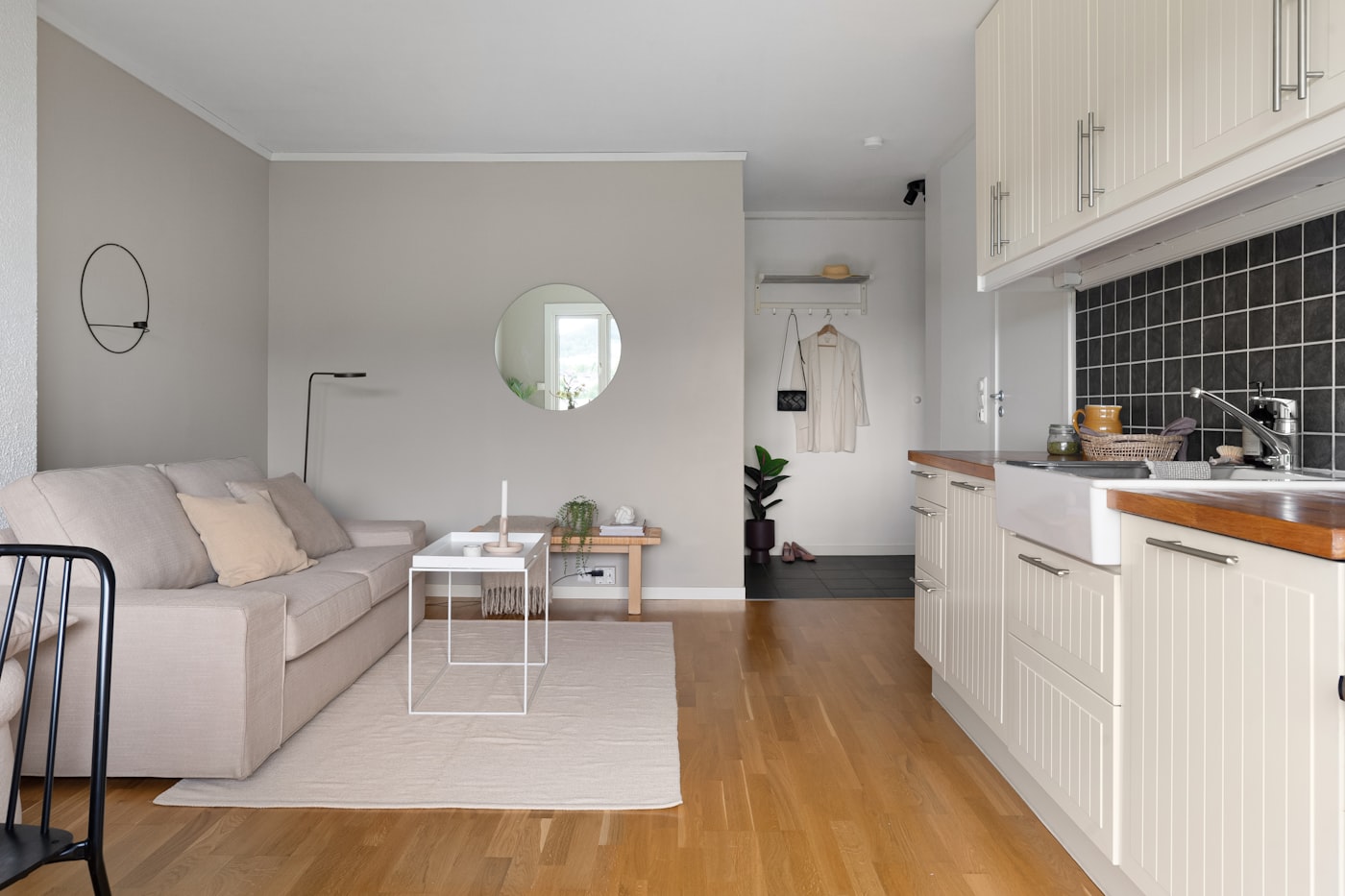
What your parents probably have
Before buying anything new, ask your parents (or look in their basement) for:
- Spare pots and pans (every parent has duplicate cookware)
- Old sheets and towels
- Mismatched silverware they never use
- Mugs and water glasses
- Cleaning supplies in bulk
- An old toolkit (hammer, screwdrivers, measuring tape)
- Bedside lamps from an old bedroom
- Picture frames
- A vacuum or broom
You can usually save 200 to 400 dollars by raiding parental supplies first. They will not miss any of it.
The 90 day apartment plan
Spread the spending across 3 months instead of trying to do it all on day one:
Day 1 to 7: Sleep, kitchen basics, bathroom basics, cleaning supplies. About 750 to 1,000 dollars.
Week 2 to 4: Living room basics (couch or futon, lamps, rug), bedroom additions (curtains, hamper). About 400 to 800 dollars.
Month 2: Real dining setup if needed, decor (art, plants, throw pillows), upgrades to anything that broke or felt insufficient. About 200 to 400 dollars.
Month 3: Thoughtful decor purchases. By now you know your apartment. Buy the rug you actually want, the art that fits the wall, the throw blanket in the right color.
Total over 90 days: 1,500 to 2,500 dollars for a complete apartment from scratch. Versus the 4,000 plus dollar shock of trying to do it all at once.
Common college grad first apartment mistakes
- Buying matching everything. Looks like a dorm. Mix vintage with new, dark woods with light, hard with soft.
- Spending big on furniture you will move soon. Your first apartment is rarely your forever apartment. Mid range pieces last 3 to 5 years and that is fine.
- Going all white or all gray. Easy on Pinterest, depressing in person. Add warmth: terracotta, sage, navy, brass, wood tones.
- No plants. 2 large plants and 4 small ones change the entire feel of an apartment for 100 dollars.
- Skipping a real bed frame for too long. The mattress on the floor look gets old after 6 months. Budget 100 dollars for an entry level frame by month 3.
- Trying to decorate before you have stuff. An apartment with no rugs, no curtains, no real furniture, but with a 50 dollar wall art piece, looks worse than one with no art and the basics in place. Get the basics first.
The takeaway
Furnishing your first apartment as a college graduate is not about having the perfect Pinterest space on move in day. It is about getting the basics right cheaply, living in the space for a month, then upgrading thoughtfully based on what you actually use.
The graduates who handle this well do three things: they buy minimum on day one, they take everything their parents will give them, and they wait 30 days before any decor purchase. The result is an apartment that grows into itself over the first year, instead of being maxed out on day one with stuff you regret.
Get the bed, the kitchen kit, and the bathroom basics. Sleep in the apartment for a week. Then make the next list. That sequence, repeated three times over 90 days, gets you to a complete apartment for half the price of doing it all at once.
Related reading: the original first apartment essentials checklist, 27 small apartment decor ideas, 35 small apartment storage hacks, and the full renter friendly decor guide.