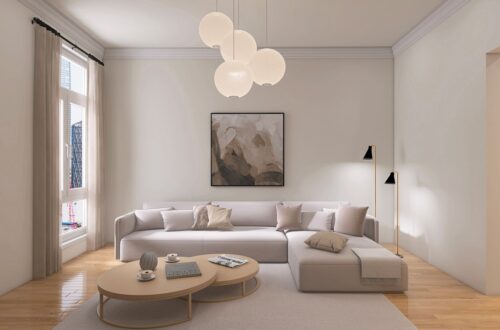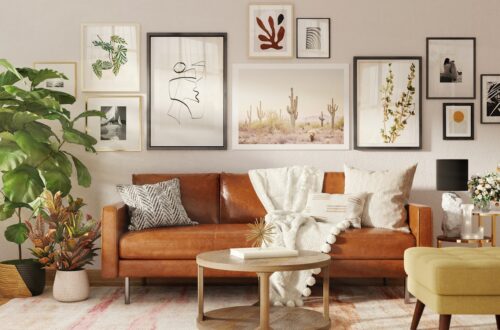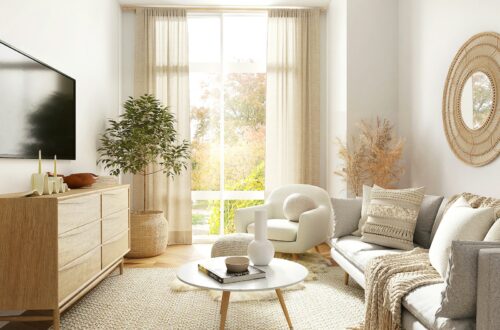
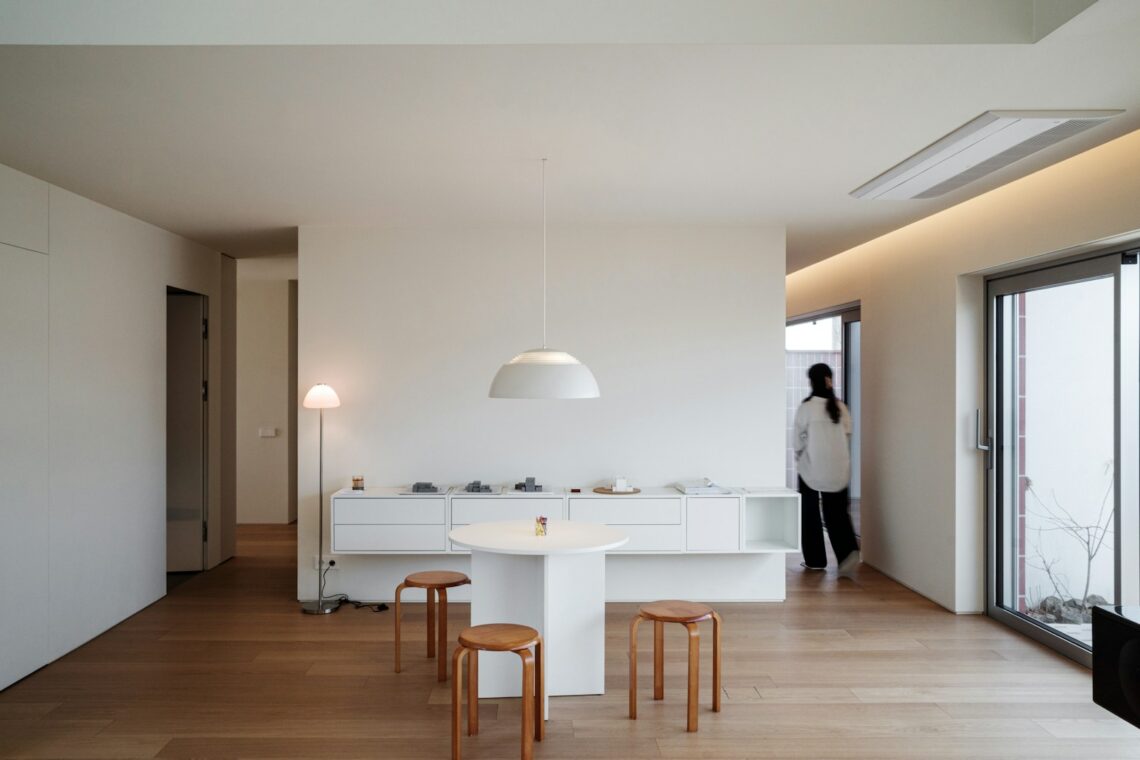
The japandi small apartment style is the most forgiving aesthetic for tiny rentals that exist. It assumes you have limited space, limited stuff, and limited natural light. It rewards exactly the lifestyle a 400 sq ft studio already enforces, so the look comes together with less effort and less money than almost any other interior style.
Japandi blends the warmth of Japanese tradition (wabi-sabi, natural materials, low furniture) with the practical clean lines of Scandinavian design (light wood, neutral palette, functional pieces). For a renter, this means a serene, photogenic small apartment built from light oak, soft cream textiles, one or two well-chosen plants, and a strict limit on visual clutter. No drilling, no painting, no expensive furniture required.
What japandi style actually is (and is not)
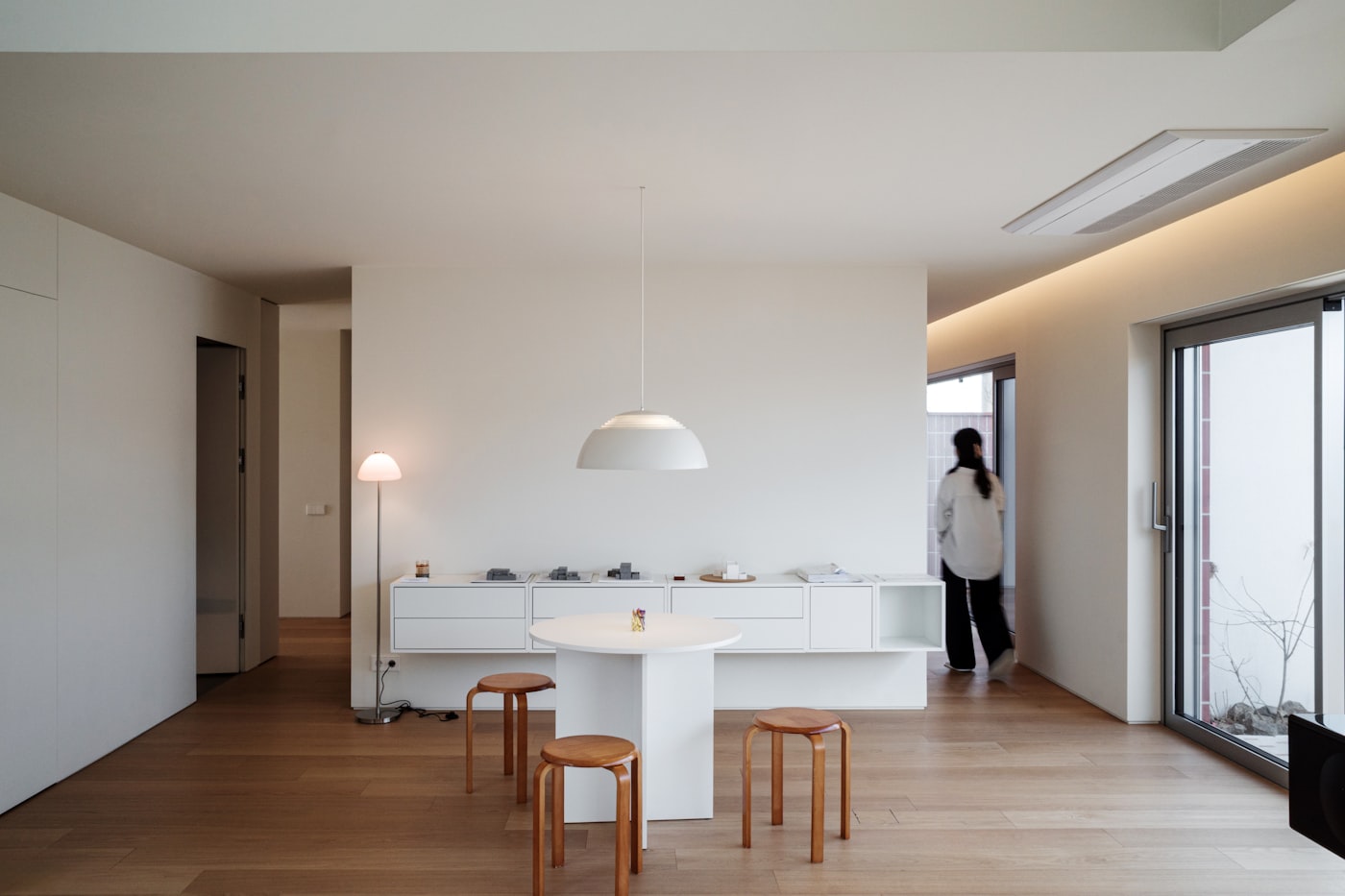
Japandi is not a trend invented for Instagram. The aesthetics of Japanese and Scandinavian interior design have been quietly compatible for over a century, sharing a small set of principles:
- Material honesty. Wood looks like wood. Linen looks like linen. Nothing is painted to imitate something else.
- Negative space. Empty space around objects is part of the design, not a missing element.
- Low furniture. Floor-level seating, low platform beds, low coffee tables. Visually opens up small rooms.
- Soft natural light. Filtered through linen, paper, or sheer curtains. No harsh overheads.
- Wabi-sabi imperfection. A chipped ceramic, a slightly uneven hand-thrown vase, a knot in the wood grain. Imperfection is welcomed.
- Function over decoration. Everything in the room has a use. Even the art has a reason to be there.
Japandi is not minimalism. Minimalist apartments can be cold and empty. Japandi rooms feel intentionally curated, warm, and lived in. The look is more about restraint than scarcity.
The japandi color palette for a small apartment
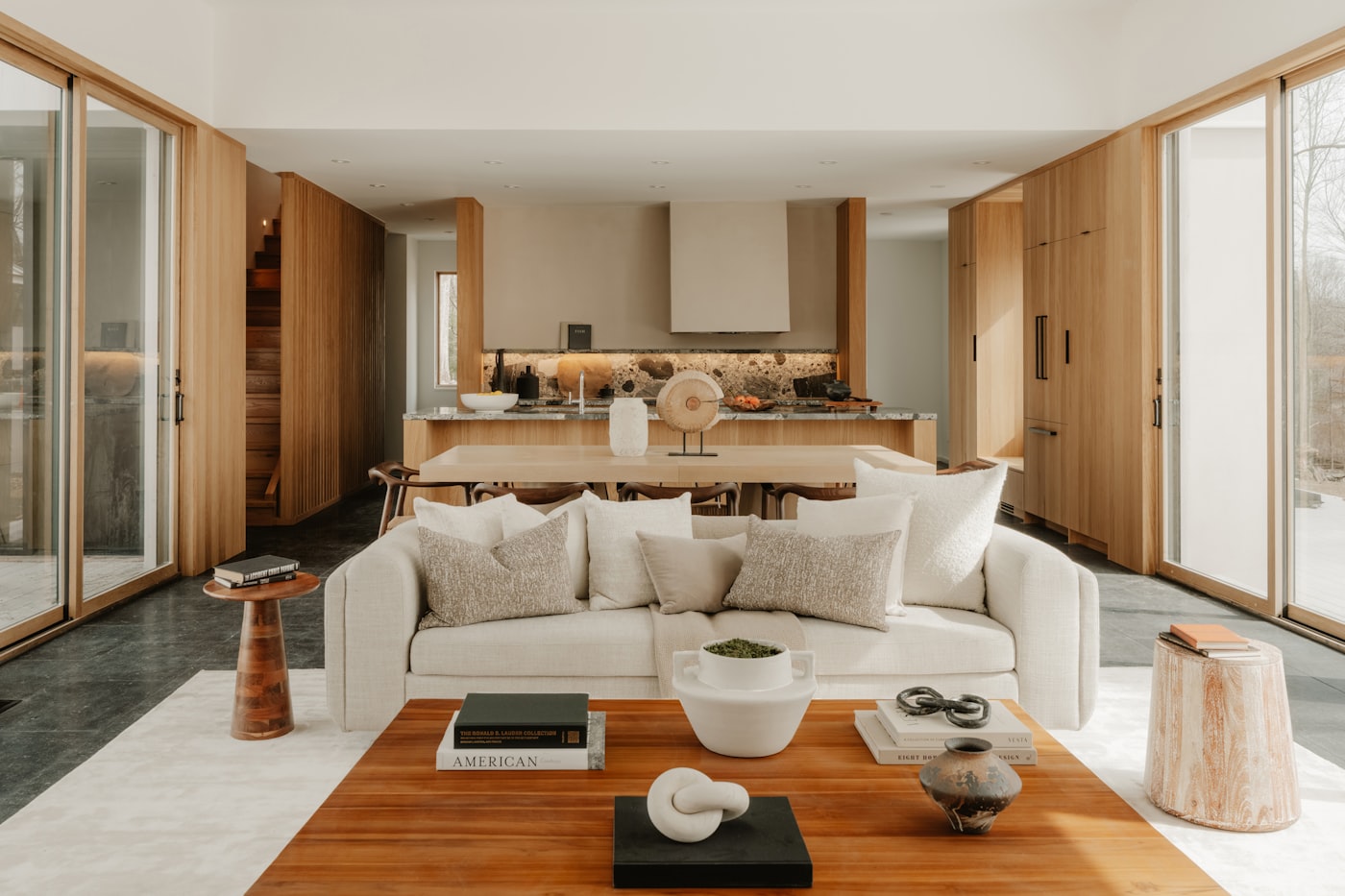
The japandi palette is short, warm, and easy to source on a budget. Build the room from these tones, used in this rough ratio:
- 60 percent: warm off-white. Walls, ceiling, large soft furnishings.
- 20 percent: light or medium wood tones. Floor, larger furniture pieces, frames.
- 10 percent: oat, beige, taupe. Sofas, throws, rugs.
- 5 percent: charcoal or matte black. One accent piece (lamp, frame, vase) per room.
- 5 percent: muted green or terracotta. Plants and one ceramic vessel.
That is the entire palette. No vibrant colors. No cool grays. No silver or chrome. Once you stop bringing items in colors outside this list, the room reads as japandi almost immediately.
Furniture choices for a japandi rental
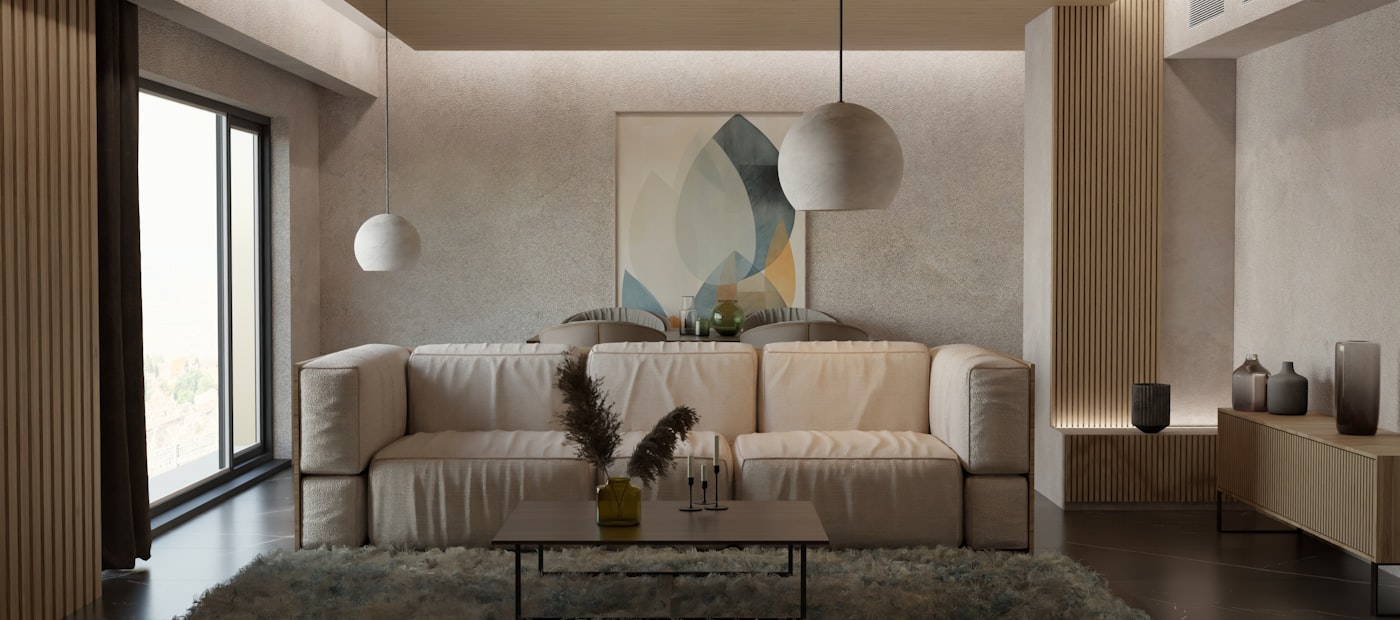
Three furniture rules carry the whole style. Get these right and the rest of the room follows.
Low to the ground. A low platform bed, a low coffee table, a low-back sofa. Even in a tiny room, low furniture makes the ceiling feel higher. IKEA NEIDEN bed frame ($90, light pine) and IKEA LISTERBY round oak coffee table ($150) get you most of the way there on a renter budget.
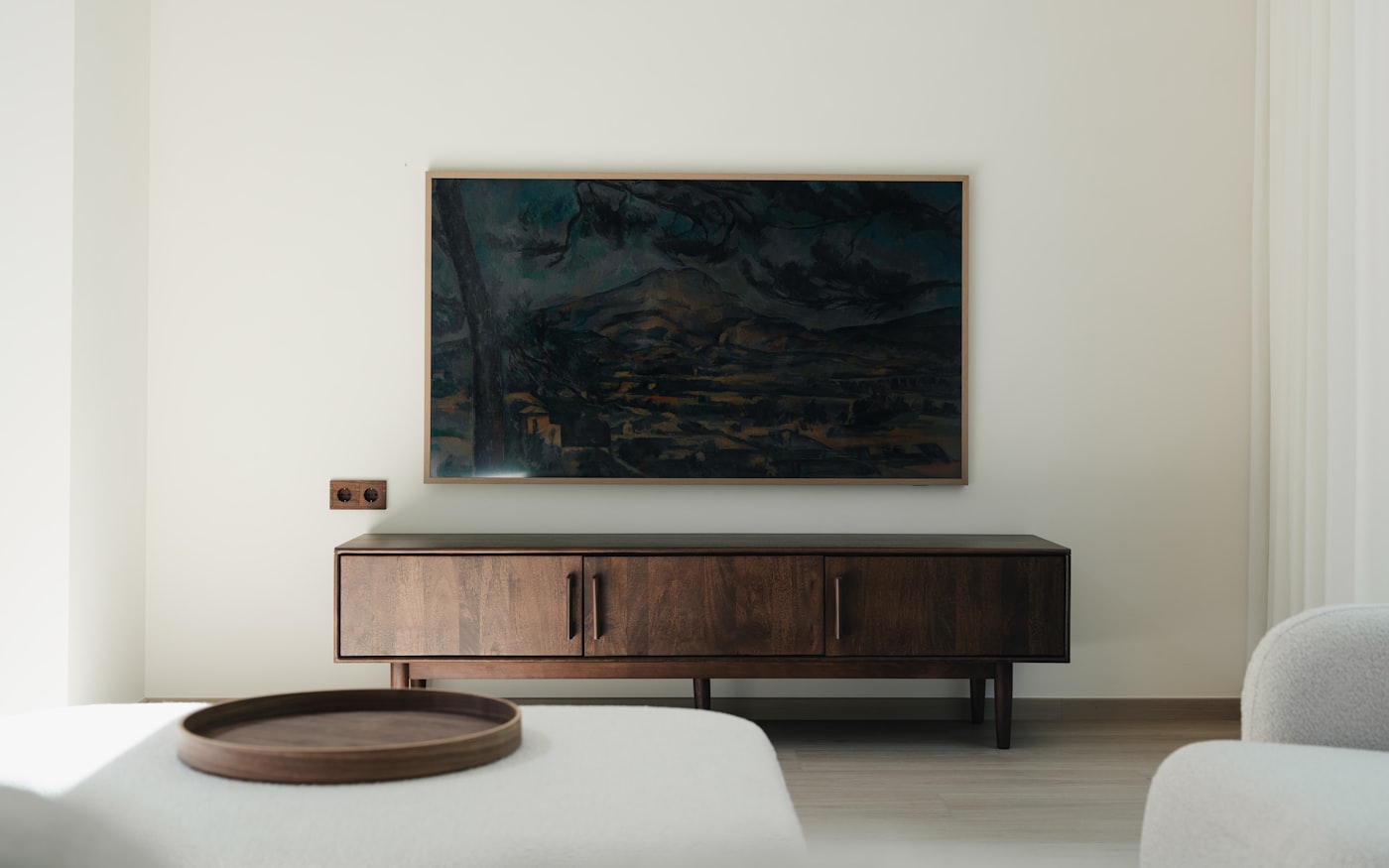
Visible legs. Sofas, chairs, and credenzas with visible wood or matte black legs feel less heavy than skirted or floor-sitting pieces. Air visible underneath the furniture makes a small room feel less crowded.
One sculptural piece per room. A single curved chair, an arched paper lamp, an irregular ceramic stool. Pulls the eye and breaks the rectilinear pattern.
For more layout principles that translate well to japandi small apartments, our studio apartment decorating guide covers zoning and proportion-by-room.
Light layering, the japandi way
Overhead lighting kills the japandi feel instantly. The whole aesthetic depends on soft, diffuse, warm light. Build your lighting from these layers, in priority order:
- Paper or rice paper pendant. One per room. IKEA REGOLIT ($5) or VATE ($12). Hangs low over a coffee table or dining area.
- One linen-shaded floor lamp. Tall, near the seating. Warm bulb (2700K). $30 to $70.
- One small table lamp with a ceramic base. On a side table or shelf. Warm bulb. $25 to $50.
- One desk or task light. Wood or matte black. $20 to $50.
- Optional: a small candle or salt lamp. For evening ambient warmth.
Never turn on the overhead. If your rental has only ugly builder-grade ceiling fixtures, swap the bulb for the lowest-wattage warm option and avoid using it. Use a plug-in pendant light from Amazon for the visible fixture if you want one. Renters: our no-overhead lighting guide covers under-$100 plug-in pendant options that work without rewiring.
Textiles for a japandi small apartment
Every visible textile in a japandi room should be natural fiber, in a neutral or earth tone. The full list for a small living room:
- Curtains: linen or cotton, ivory or oat colored, floor length
- Sofa cushions: linen or boucle, in cream, oat, or warm taupe
- Throw blanket: wool, mohair, or chunky knit, draped at the corner
- Rug: wool, jute, or sisal in cream or warm beige
- Bedding: linen, cotton percale, or cotton sateen in cream or off-white
Linen is the japandi miracle fabric. It is slightly wrinkled by nature (wabi-sabi approved), drapes softly, and ages to look better. IKEA AINA linen panels are $35 per pair and read as expensive in any neutral room.
The japandi bedroom: low, soft, undecorated
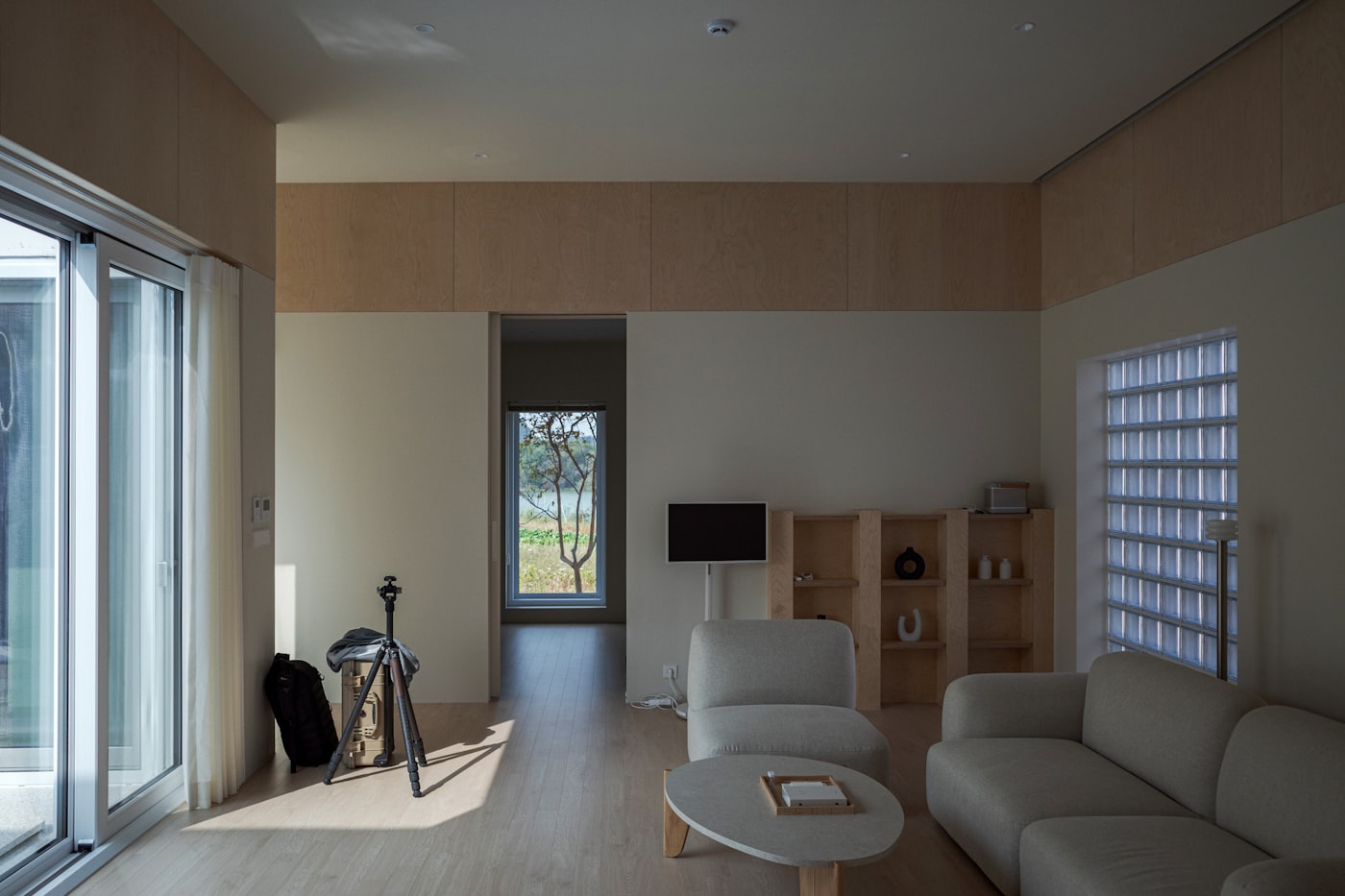
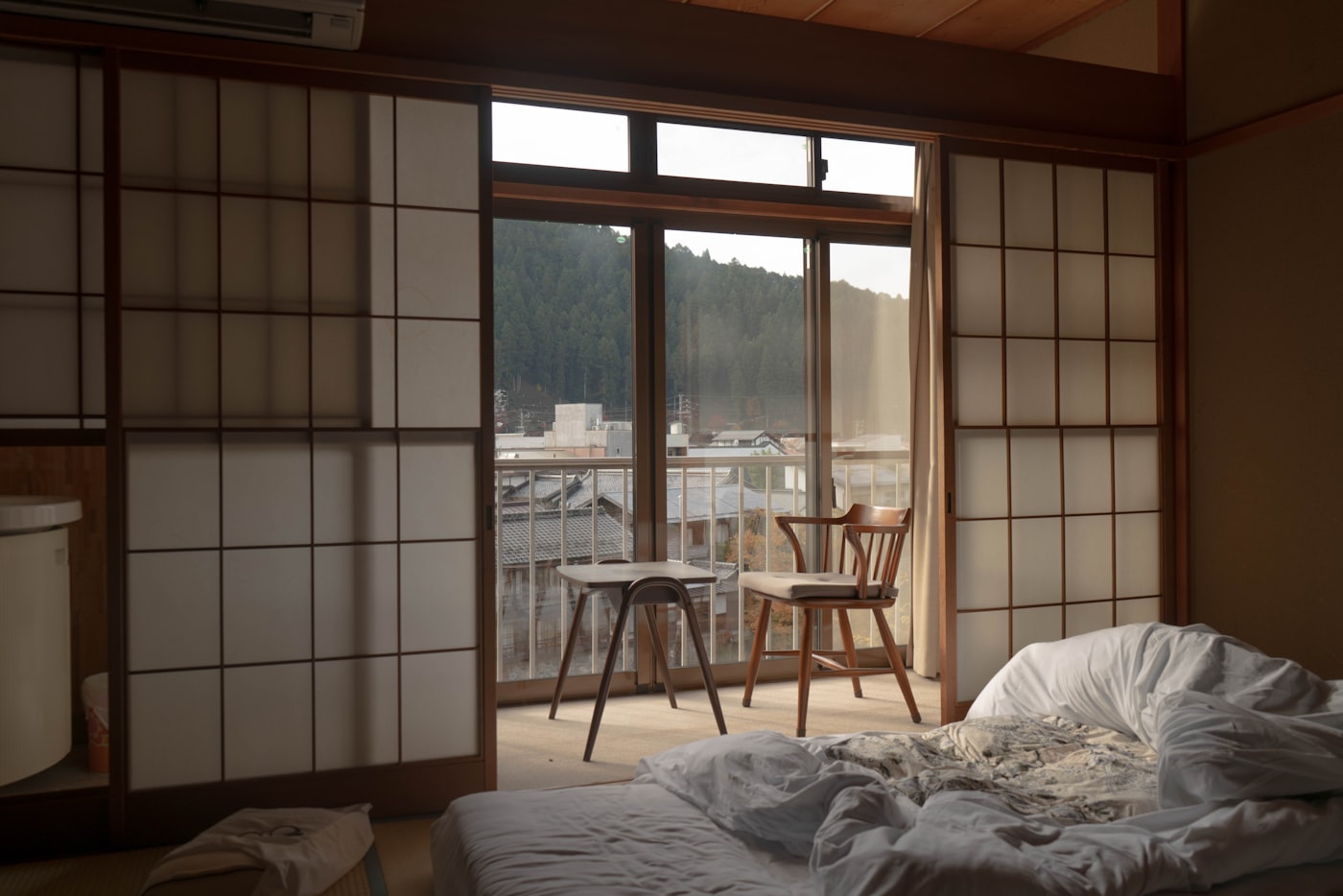
A japandi bedroom is built on three elements: a low bed, layered linen bedding, and almost no wall decor.
The bed should sit close to the floor. A platform bed (no box spring, no bed skirt) is ideal. The IKEA TARVA pine platform ($150 to $200) is the budget classic. Stain it with a light natural wood finish if you can do reversible work, or leave it raw.
Layer the bedding in warm tones: cream fitted sheet, cream flat sheet, oat or beige duvet pulled smooth, and one or two cream pillows. Skip the decorative pillows. Throw a wool blanket folded at the foot. That is the whole bed.
For walls, leave them mostly empty. One small framed piece of art or a single soft textile (a folded scarf or kantha throw) hanging behind the bed. Do not add a gallery wall. Japandi bedrooms read as restful because the eye has nothing competing for attention.
The japandi living room layout for a small apartment
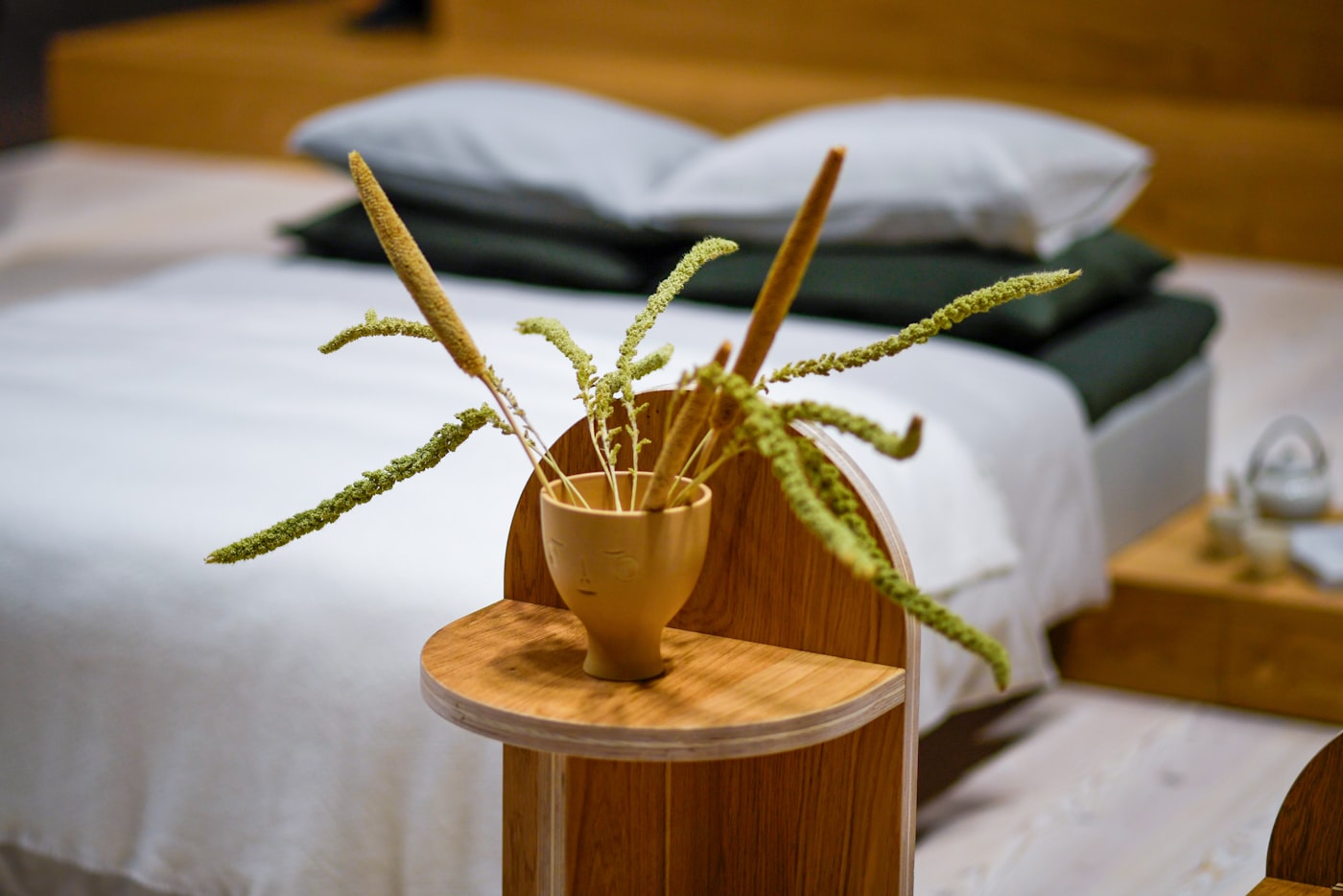
In a 200 to 400 sq ft living area, the japandi layout works like this:
- One low sofa, centered on the longest wall or facing the window.
- One round or oval coffee table, 18 inches in front of the sofa.
- One sculptural armchair or floor cushion at a slight angle to the sofa.
- One floor lamp behind or to the side of the seating.
- One small side table or oak stump stool next to the chair.
- One narrow open shelf or low credenza on the wall opposite the sofa, for books and ceramics.
- One large plant in a corner. Olive tree, fiddle leaf fig, or banana plant.
- One large rug tying the seating area together.
That is the complete furniture list. Eight items, including the rug and lamp. The room feels finished without ever feeling crowded.
How to style japandi shelves and surfaces
Japandi shelves are not gallery walls. The styling rule is simple: each shelf gets one to three objects, with intentional empty space between them.
What goes on the shelves:
- One or two stacked books, lying flat or upright
- One hand-thrown ceramic vase (with a single dried branch, never a full bouquet)
- One small sculpture: a wooden bowl, a stoneware figure, a single rock
- One small framed photograph or print
- One small plant in a clay or stoneware pot
What does not go on the shelves: clusters of small decor objects, photo frames in matching sets, anything plastic or shiny, anything with text or branding visible, anything in cool tones or saturated colors.
Wabi-sabi: how imperfection earns its place
Wabi-sabi is the Japanese philosophy at the core of japandi. It celebrates objects that are aged, asymmetrical, weathered, or imperfect. For a small apartment, this is good news: you do not need perfect new furniture. You need pieces with character.
Examples of wabi-sabi pieces that work in a japandi rental:
- A hand-thrown ceramic mug with visible thumbprints
- An oak side table with one knot in the wood
- A linen throw with the natural slubs and texture variations
- A vintage Japanese tea bowl from a thrift store
- A piece of weathered driftwood
- A single black-and-white photograph with a slight crease
- A dried branch in a vase, asymmetrical and irregular
Imperfect pieces are also almost always cheaper than their pristine counterparts. Estate sales, thrift stores, and Facebook Marketplace are full of them.
Renter-safe japandi wall treatments
You cannot paint, install shoji screens, or build wood paneling in a rental. But you can still capture the essence of japandi walls with deposit-safe alternatives:
- Linen curtains across one full wall. Hung from a tension rod or Command-strip-mounted rod. Adds texture and softens the wall.
- Peel-and-stick wood slat panels. Sold on Amazon for $30 to $60 per panel. Removable in one piece. Mimics the wood slat walls common in japandi rooms.
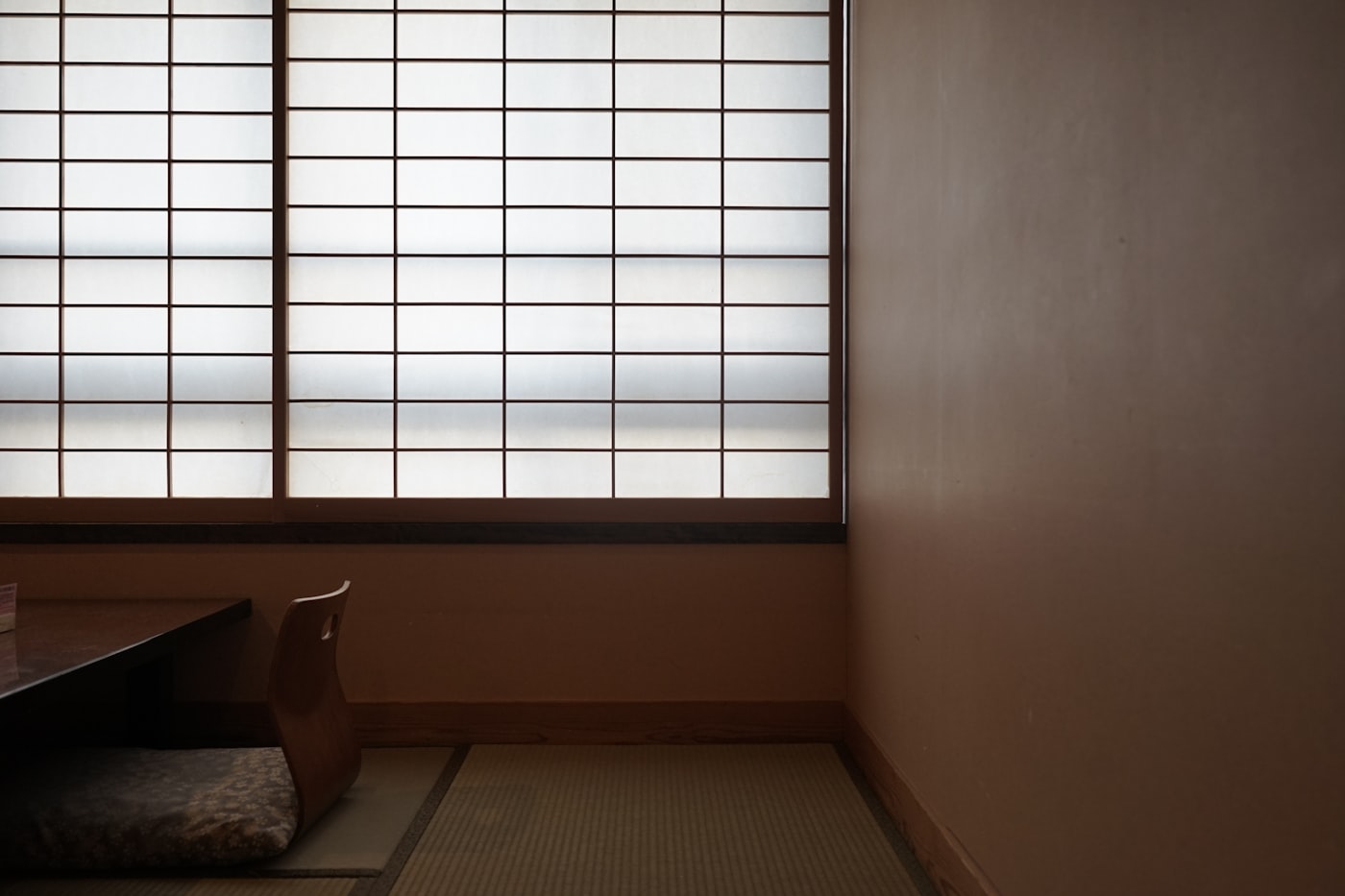
- Rice paper room divider. Even just one panel leaned against a wall captures the shoji aesthetic. About $50 to $100.
- A large single piece of textile art. A folded wool blanket hung from a dowel, or a 4 by 5 ft linen panel pinned to the wall with thumbtacks.
For more no-paint, no-drill wall ideas that complement japandi, our renter-friendly accent wall guide includes specific techniques for adding wood and fabric treatments without damaging the wall.
Plants for a japandi small apartment
Japandi rooms have plants, but never a jungle. Two or three plants total in a small apartment, all in plain terracotta or unglazed stoneware pots:
- One large statement plant. Olive tree, fiddle leaf fig, ficus benjamina, or rubber tree. In a corner, in a simple terracotta pot inside a woven basket.
- One sculptural plant. Bonsai, snake plant, ZZ plant, or a small kentia palm. On a side table or shelf.
- One bowl of moss, pebbles, or a single bonsai. On the coffee table or dining table. Optional.
Skip hanging plant collections, plant walls, and clusters of small succulents. The japandi approach is one or two perfect plants, not many imperfect ones.
Where to shop japandi on a small apartment budget
Japandi style has gotten popular, which means there is now a price premium on “japandi” branded furniture. Skip that markup by shopping these sources:
- IKEA. Light oak and pine pieces with clean lines. LACK, KALLAX, INGATORP, NEIDEN, TARVA, LISTERBY. Avoid the painted gray or black options.
- Facebook Marketplace. Search for mid-century modern, danish modern, teak, or scandinavian. Most listings ignore “japandi” but the pieces are the same.
- H&M Home. Linen pillows, throws, ceramic vases. Most under $25 each.
- Amazon Japanese imports. Search “Japanese ceramic vase,” “rice paper lamp,” “bamboo storage.” Direct imports cost a fraction of boutique prices.
- Thrift stores in higher-income areas. Mid-century furniture, ceramics, oak frames, vintage linens.
- Estate sales. Best source for authentic vintage Japanese pieces and Danish modern furniture.
For a complete japandi small apartment build from scratch, plan to spend $800 to $1500 total, with the largest line items being a bed frame ($150 to $300), sofa ($300 to $600), and rug ($100 to $300). Everything else can be acquired piece-by-piece over months.
Common japandi mistakes in small apartments
Even people who love the aesthetic make a few predictable errors when applying it to a small rental.
- Too much wood, too few textiles. An all-wood room reads as a sauna, not japandi. Layer in linen, wool, and ceramic to break up the wood.
- Buying “japandi-branded” mass-produced furniture. Cheap MDF with a japandi label is still cheap MDF. Real japandi prefers worn wood and natural materials, even if budget.
- Cool grays mixed in. A single cool gray throw or rug derails the whole warm palette.
- Overcrowding small shelves. If a shelf has more than three objects, remove one. Always.
- Skipping the rug. Hard floors alone are too cold. Even a small natural fiber rug improves a japandi room.
- Adding bright accent colors. No mustard, no terracotta orange, no teal. Stick to muted earth tones only.
- Forgetting the curve. A room of only square pieces feels rigid. One arched mirror, round table, or curved chair fixes it.
A 30 day plan to get your apartment to japandi
If you want to redo a small rental to japandi without a project-feel, work through these stages over a month.
Week 1: Subtract. Remove every cool gray, chrome, plastic, and brightly colored item from view. Box them or move to storage. Turn off all overhead lights.
Week 2: Light layer. Buy three lamps (one floor, one table, one small task or paper pendant). All 2700K bulbs. Plug them in. Use only these going forward.
Week 3: Textiles. Replace one major textile per room with a natural fiber alternative. Linen curtains, a wool throw, a cotton rug, a cream linen duvet cover. Start with whatever is most visible.
Week 4: One sculptural piece per room. Add one curved chair, one ceramic vase with a single dried branch, one paper pendant, or one carved wooden bowl. Visit one thrift store and one estate sale on the weekend.
After a month, the apartment reads japandi without you ever having undertaken a full makeover. The look is built from small repeated decisions rather than one big purchase day.
Why japandi works so well in tiny rentals
Most decorating styles fight the constraints of a small apartment: low ceilings, bad light, limited square footage, beige builder-grade walls. Japandi small apartment style works with those constraints. Low furniture suits low ceilings. Soft layered lighting solves bad natural light. The palette flatters beige walls instead of fighting them. The principle of restraint is built for tight footprints.
You also do not need to own much for the look to read as complete. A japandi 400 sq ft studio with 15 carefully chosen objects looks more finished than the same studio crammed with 60 random pieces. For renters who move often, this is also a budget win: you can move the entire visual identity of the room in a single car trip.
Start with the palette. Then the lights. Then one textile per room. Within a month, your apartment will feel like the Pinterest japandi small apartment images that originally inspired you, and it will have cost a fraction of what those rooms look like they cost.