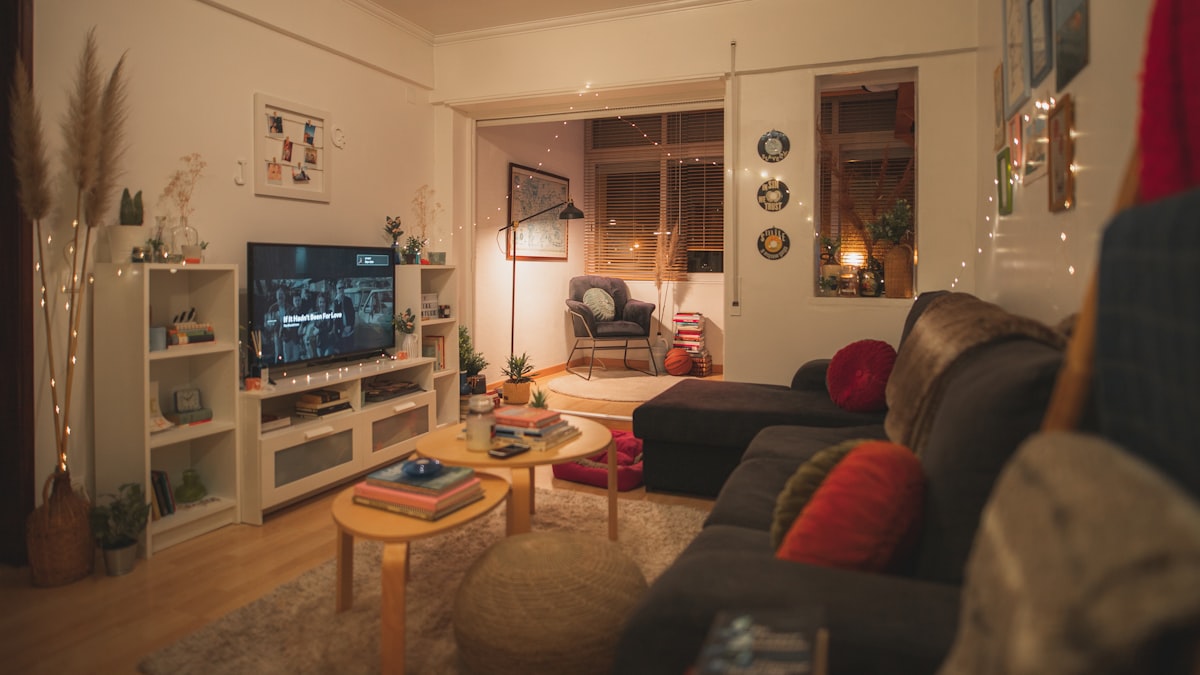
You moved into a new apartment, flipped the light switch, and nothing happened. No overhead light. Not a single ceiling fixture in the entire living room. If this sounds familiar, you are not alone. Millions of apartment renters deal with this exact constraint every year, and the good news is that working around it produces some of the coziest, most intentional spaces you will ever see.
Below are the best apartment lighting ideas no overhead fixture required. Every suggestion here is renter-friendly, budget-conscious, and proven to work in tight square footage.
Why No Overhead Lighting Is More Common Than You Think
Pre-war buildings, converted lofts, and older apartment stock across the country were built before ceiling fixtures were standard. Landlords often skip electrical upgrades because they are expensive and renters tend to move on within a year or two. The result is a huge chunk of the rental market where you are handed a space with wall outlets and absolutely no ceiling light.
This is not a design failure. It is an invitation. When you are forced to think about where light comes from, you stop defaulting to the flat, shadowless glow of a single ceiling bulb and start building depth. Interior designers do this intentionally in high-end spaces. You just get to do it out of necessity.
A few things to know before you start buying lamps:
- Check the wattage limit on your outlets before daisy-chaining power strips.
- Use smart plugs with schedules so you are never fumbling for lamp switches in the dark.
- Budget around $150 to $400 total for a full apartment setup, depending on how many rooms need coverage.
- LED bulbs in the 2700K to 3000K range give the warmest, most flattering light for living spaces.
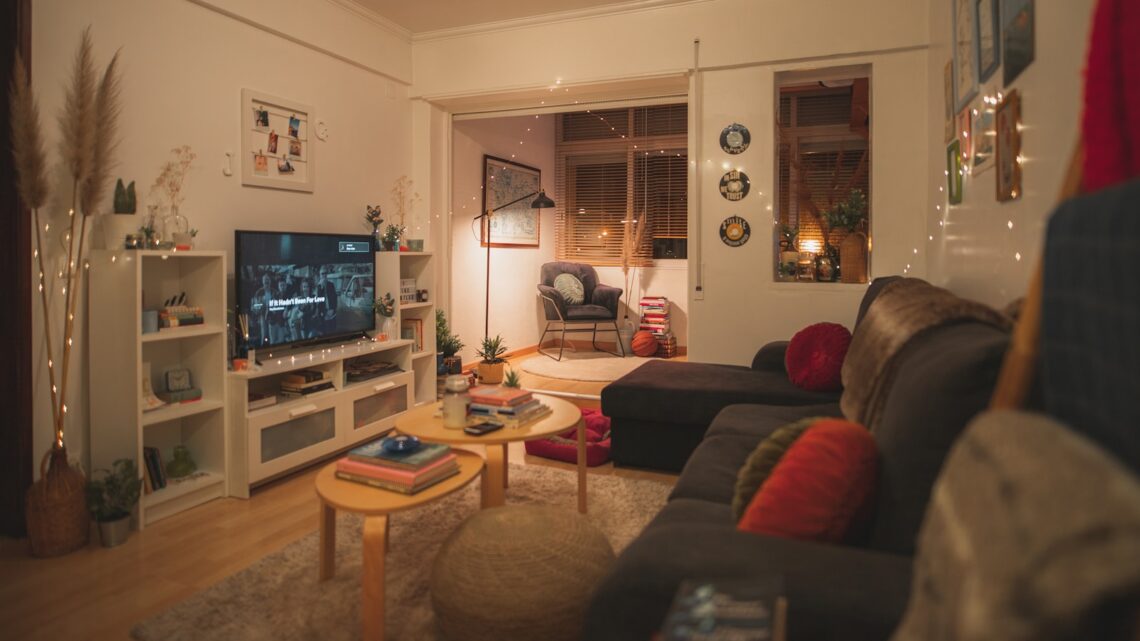
The core strategy is to replace one overhead source with three or four lower sources placed at different heights around the room. A floor lamp in the corner, a table lamp on the console, and string lights along a shelf together produce richer, more dynamic light than any single ceiling fixture could. Most apartments need three to five individual light sources per room to feel fully lit after dark.
Floor Lamps and Arc Lamps: Your Most Powerful Tool
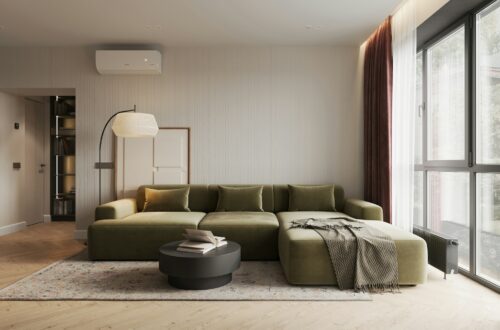
A tall floor lamp is the single most effective piece of furniture you can add to a rental with no overhead lighting. A good arc lamp, which curves up and over a seating area, mimics what a ceiling pendant would do without touching the ceiling at all.
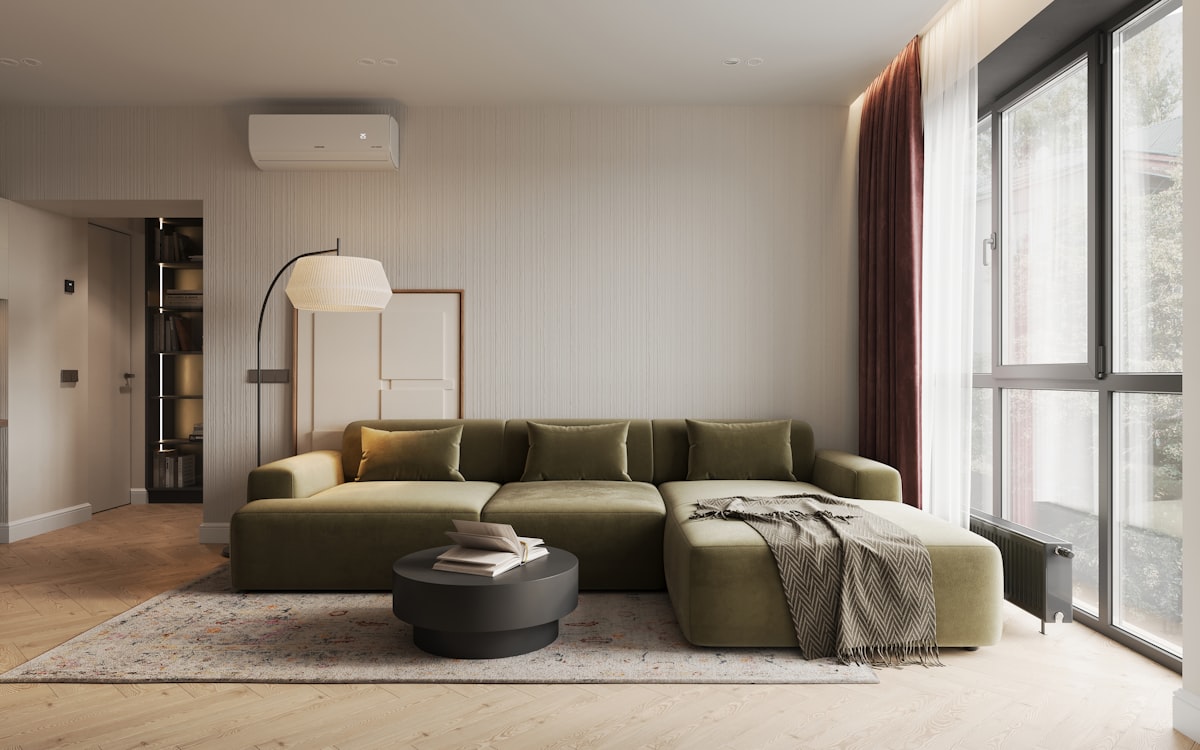
What to look for:
- Arc lamps: IKEA Lersta ($40), Brightech Sparq ($85), or the Amazon Basics Arc Floor Lamp ($60) all deliver strong ambient light. Place the head directly over your main seating area.
- Tripod floor lamps: Better for corners. Two tripod lamps flanking a sofa gives a symmetrical, finished look that reads as intentional design. Budget about $50 to $80 per lamp.
- Torchiere lamps: Point the bulb up to bounce light off the ceiling for the closest simulation of overhead illumination you can get without hardwiring anything.
One arc lamp in the living room plus a torchiere in the far corner will cover a 300 to 400 square foot space adequately. Use 10W to 13W LED bulbs (equivalent to 60 to 100W incandescent) rated at 800 to 1600 lumens each.
If you have a truly dark apartment with very little natural light, check out our guide on decorating a small apartment with no windows for strategies that combine lighting with reflective surfaces and color choices.
String Lights and Fairy Lights for Bedroom Glow
String lights are not just for dorm rooms. A 33-foot strand of warm white LED fairy lights costs under $15 on Amazon and can transform a bare bedroom from institutional to intentional in about ten minutes. They layer beautifully on top of any other light source and add the kind of soft, diffuse glow that makes a room feel lived-in.

Where string lights work best in a no-overhead apartment:
- Behind the headboard: Drape a strand along the top of the headboard or tuck it behind a floating shelf above the bed. The light is soft enough to read by and creates an instant focal point.
- Along a curtain rod: Twist the strand around your curtain rod for a romantic, cafe-style effect.
- On a picture ledge or shelf: Drape them loosely around books and objects for layered accent lighting.
- In a glass jar or vase: Stuff a strand into a large clear vase for an instant table lamp alternative.
Look for lights rated 2700K to 3000K (labeled “warm white” or “soft white”). Avoid “daylight” or “cool white” strings unless you are specifically using them as task lighting at a desk.
Bedside Table Lamps That Replace a Ceiling Fixture
A bedside lamp is non-negotiable in a bedroom with no overhead light. Without one, you are reading your phone with the brightness cranked up or tripping across the room to hit the wall switch before bed. A good bedside lamp costs between $25 and $80, plugs into any standard outlet, and pays for itself in comfort within the first week.
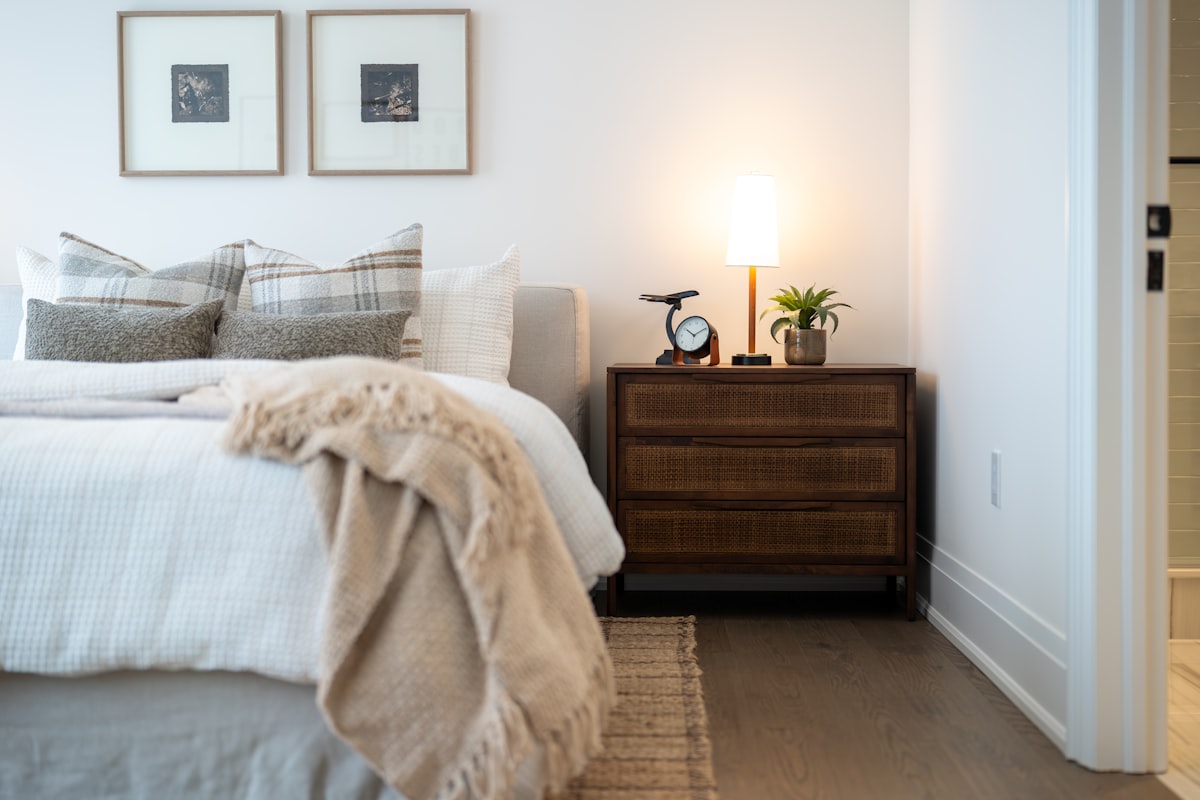
Bedside lamp specs that matter:
- Height: The bottom of the shade should sit at roughly shoulder height when you are sitting up in bed, usually around 24 to 27 inches from the nightstand surface.
- Bulb temperature: Use 2700K bulbs for sleep-friendly amber light. Anything above 3000K is too alerting for a bedside lamp.
- Switch position: Look for lamps with a switch on the cord rather than the base, so you can turn it off without reaching across the nightstand in the dark.
- Smart bulb option: A Philips Hue White bulb in a basic bedside lamp gives you voice or app control and a gradual wake-up light option, all for around $15 per bulb.
If you only have one nightstand, place the lamp on the side closest to the door so you can switch it on the moment you enter the room.
Task Lighting for Reading Corners and Work Setups
Task lighting solves a specific problem: you need focused, directional light for reading, cooking, doing makeup, or working at a laptop, and ambient floor lamps alone cannot cut it. A dedicated task lamp gives you bright, controllable light exactly where you need it without blasting the whole room.
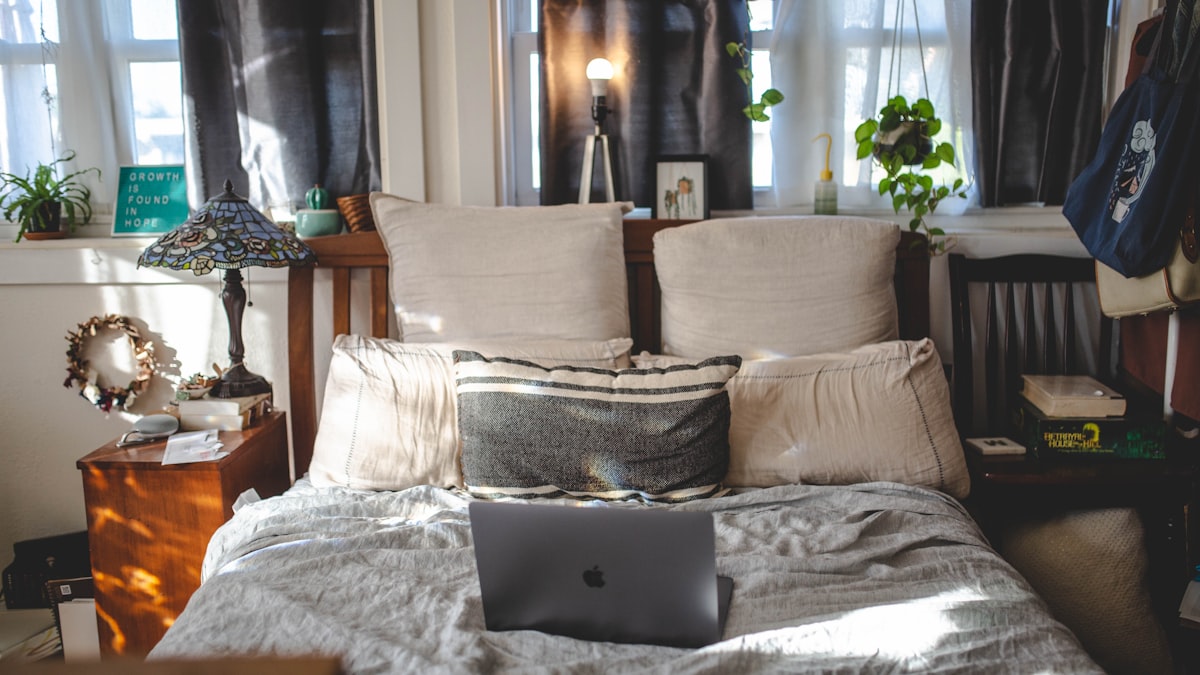
The best task lamp options for renters:
- Architect desk lamps: Adjustable arm, directional shade. The TaoTronics LED desk lamp ($35) has five color temperature settings and five brightness levels.
- Clip-on reading lights: Attach to the headboard, a bookshelf, or the back of a sofa. The Vekkia book light ($15) charges via USB and lasts 80 hours per charge.
- Accent table lamps: A Tiffany-style lamp or a ceramic base lamp with a linen shade serves as both task light and decor object. The IKEA Ranarp ($30) is a simple clip-on work light that pulls double duty on a shelf.
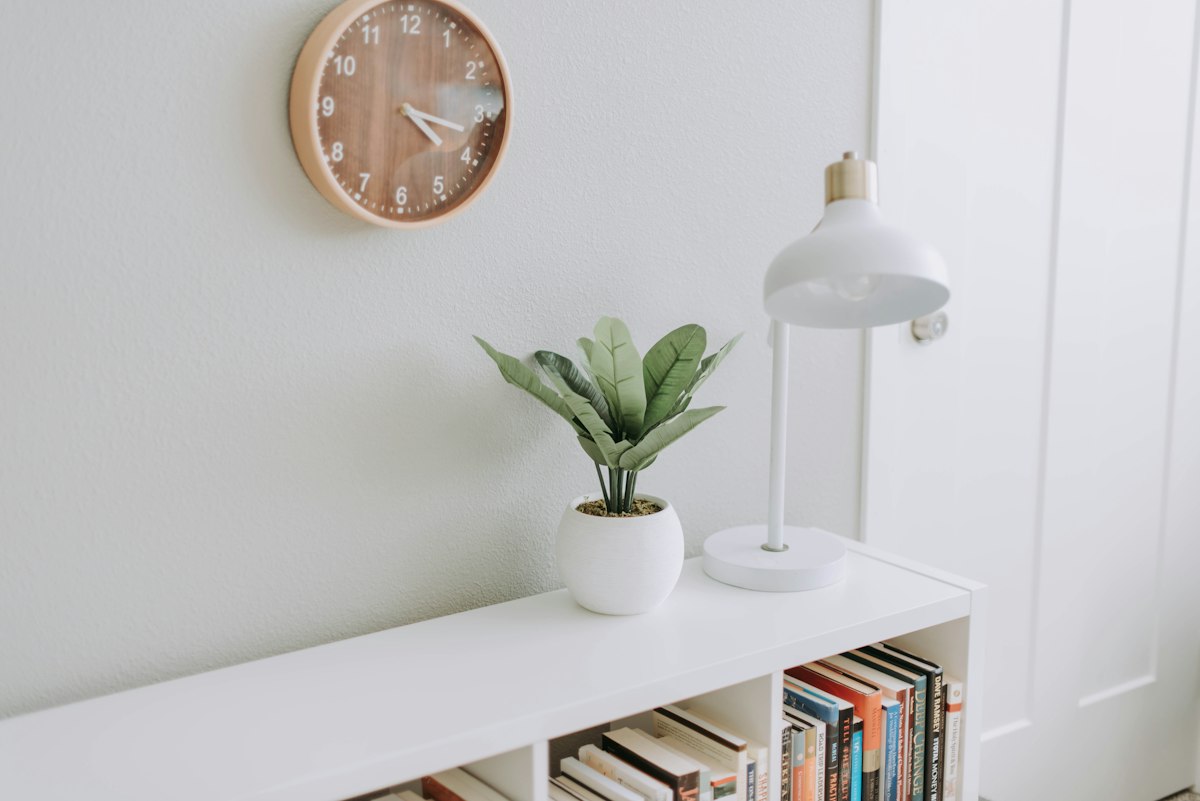
Angle task lamps so the light source is slightly above and to the side of your working surface. Light coming from directly in front creates glare on screens; light from slightly above eliminates shadows without washing out your view.
LED Strip Lights Under Shelves and Cabinets
LED strip lights are one of the most underrated apartment lighting ideas when you have no overhead light. A single roll of peel-and-stick LEDs under a kitchen cabinet, bookshelf, or bed frame adds an entire layer of light that conventional lamps cannot reach. They also work as bias lighting behind a TV to reduce eye strain during late-night watching sessions.
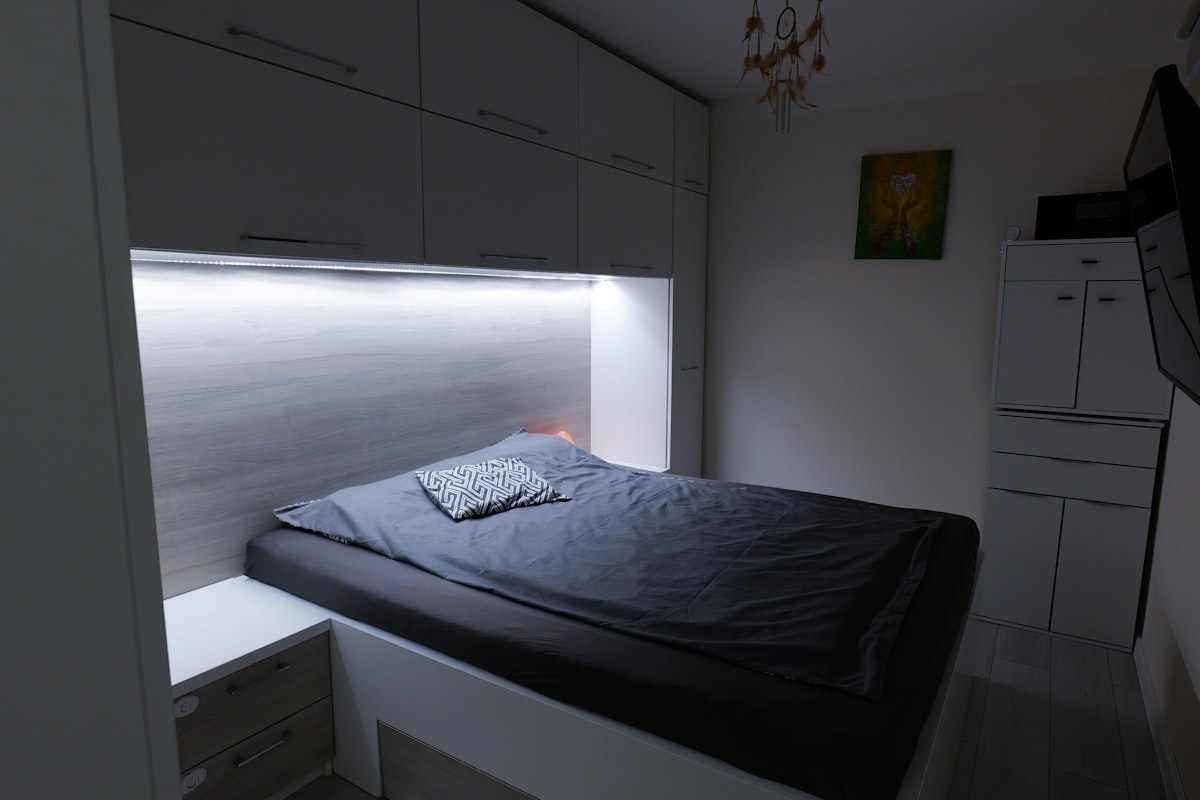
How to use LED strips effectively in a rental:
- Under kitchen cabinets: Stick a warm white strip (3000K) under the front edge of upper cabinets to light the countertop. This eliminates the shadow your own body casts when you stand at the counter.
- Behind a TV: Run a strip around the back of your TV stand or wall-mounted screen. This dramatically reduces eye fatigue during evening viewing.
- Under the bed frame: A strip underneath the bed creates a floating effect and a low-level night light so you are not stepping on anything at 3am.
- Along bookshelf edges: Line the back edge of each shelf for a built-in display light look at zero installation cost.
The Govee Smart LED Strip Light (16 feet, $22) is app-controlled and works with Alexa. The Kasa Smart Light Strip ($35 for 16 feet) is another reliable option. Always buy strips rated for at least 350 lumens per foot for functional illumination rather than pure accent use.
Candles and Flameless Alternatives for Soft Evening Light
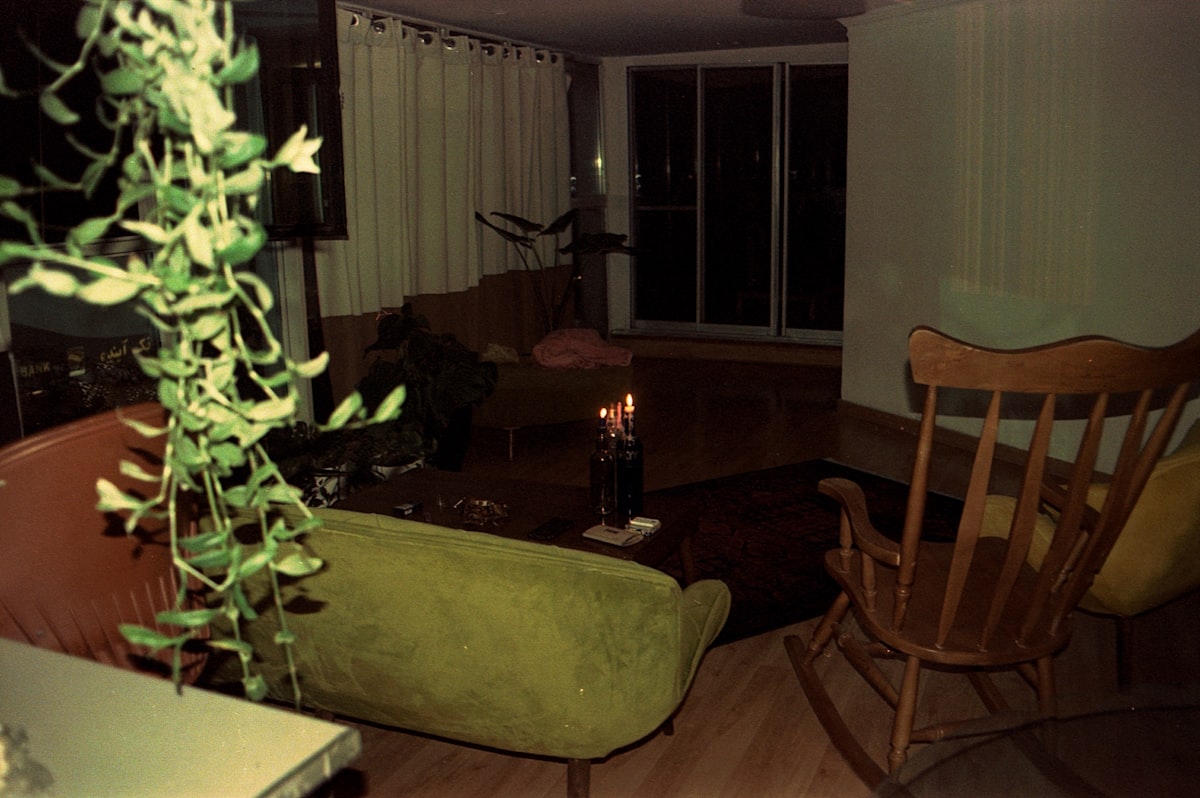
A candle is not a primary light source, but it is one of the most effective ways to add warmth to a space that already has adequate ambient lighting. Five tall pillar candles clustered on a coffee table produce more atmospheric glow than you might expect, and flameless LED candles have gotten so realistic in the past few years that most guests cannot tell the difference at a glance.
Candle and flameless candle ideas for renters:
- Cluster pillar candles: Group three to five candles of varying heights on a tray. The collective glow is significant and creates strong visual interest.
- Flameless candles with timers: The Homemory Flickering Flameless Candles (set of 9, $30) run on batteries and turn on automatically each evening via built-in timer. Safe for rental spaces with no-burn policies.
- Lanterns: A floor lantern with a large LED candle inside reads as a floor lamp from across the room and is completely renter-friendly.
- Taper candles in a centerpiece: Four taper candles in a dining area do double duty as both ambient light and table decor during meals.
Scented candles also add a sensory dimension that can make even a bare studio apartment feel like a curated home. Brands like Homesick, P.F. Candle Co., and Nest are popular with apartment renters for this reason. Budget around $15 to $40 per candle for quality scent throw.
How to Layer Multiple Sources for a Fully Lit Apartment
Individual lamps solve individual problems. Layering multiple sources together solves the room. The goal is to have light coming from at least three different heights and three different positions in any room larger than 150 square feet. When you achieve that, the space stops feeling like a collection of lamps and starts feeling like a designed room.
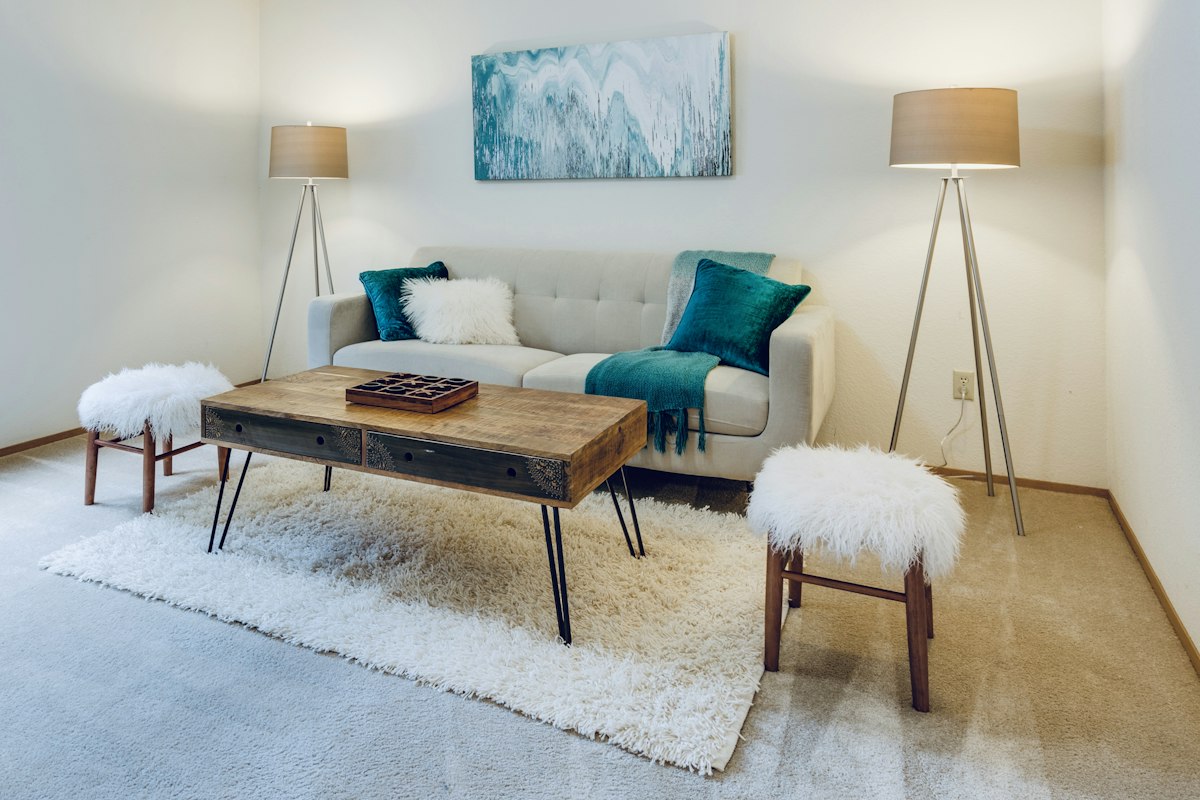
A layered lighting plan for a typical studio or one-bedroom apartment living room:
- Position 1: Arc floor lamp behind or beside the sofa. Acts as the primary ambient source. Aim for 1600 lumens here.
- Position 2: Tripod or table lamp on the opposite side of the room. Balances the light so one corner is not noticeably brighter than the other.
- Position 3: LED strip or fairy lights along a shelf or behind the TV. Adds a third level that fills visual gaps.
- Position 4 (optional): Candles or a small accent lamp on the coffee table. Completes the layered look at the lowest height.
Use smart plugs grouped into a single Alexa or Google Home routine so you can turn on the entire room’s lighting with one voice command or one tap. The Kasa Smart Plug Mini ($10 to $14 each) is compact enough to not block the second outlet and responds reliably to app control.
This is also where a renter-friendly decorating approach pays off. Choosing lamps with nice bases and quality shades means your lighting setup doubles as decor. For more ideas on making a small apartment feel complete and intentional, browse the 35 small apartment storage hacks collection, which pairs well with a solid lighting plan to create rooms that feel purposeful rather than cramped.
The Takeaway
A rental with no overhead lights is not a problem to endure. It is a setup that almost always produces a better-looking, more atmospheric space than apartments that rely on a single ceiling bulb. The fix is straightforward: three to five light sources per room, placed at different heights, with a mix of ambient, task, and accent functions. Start with one good floor lamp, add a bedside lamp, and layer in string lights or an LED strip. Your apartment will look like a deliberate design choice rather than an afterthought. Budget $150 to $350 for a full apartment solution, and choose LED bulbs throughout to keep electricity costs low.