Your college apartment worked fine when you were there four nights a week for class. Your first real apartment is a different situation. You live here full time now, pay for every inch of it, and spend your evenings and weekends inside these walls. The gap between a college apartment and your first post-grad place is not just about cost. It is about how the space makes you feel when you walk through the door at 6pm on a Tuesday.
This guide covers 15 specific upgrades that make the biggest difference when you move from a college setup to your first post-grad apartment. None require a lease violation. None require a contractor. Most cost under $150. All of them add up to a space that feels like a choice you made rather than a situation you ended up in.
Your Living Room Is Where Your First Real Apartment Begins
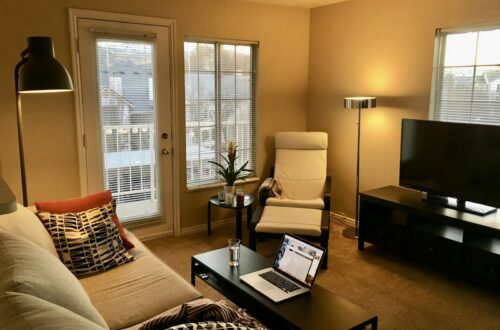
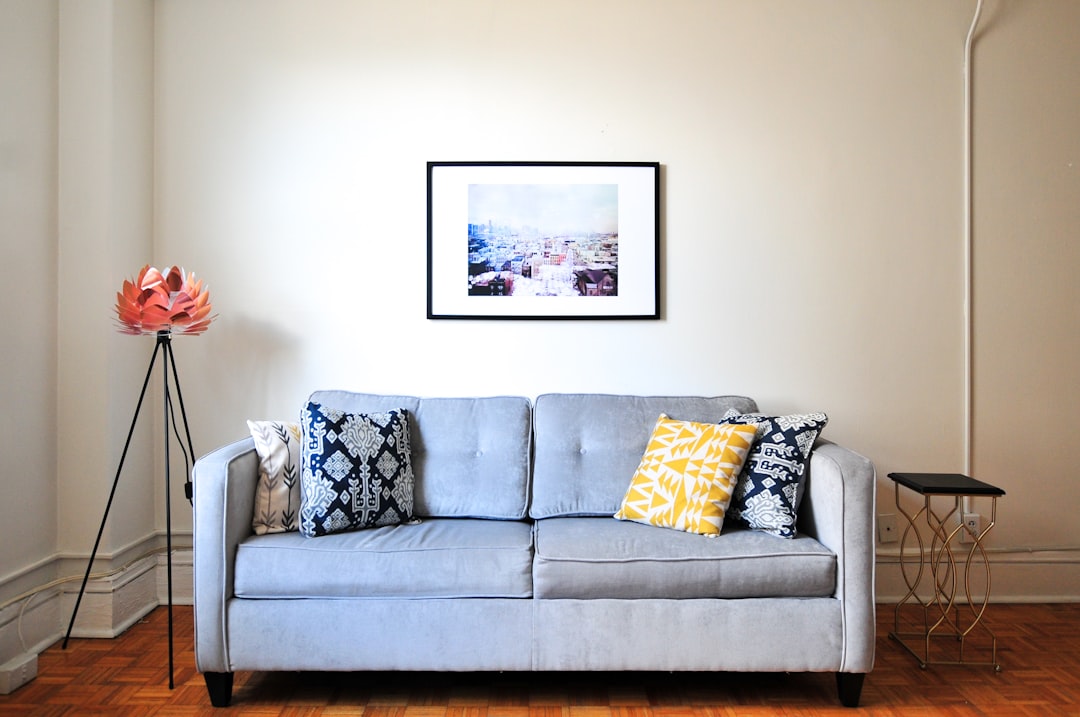
The defining piece of furniture in any college apartment is usually a hand-me-down sofa that someone else’s parents paid for in 2008. It has arms that slope, cushions that never stay put, and a color that works in no room. When you move into your first post-grad apartment, the sofa is the highest-return upgrade you can make.
You do not need to spend $2,000. IKEA’s Friheten sleeper sofa runs around $699 and holds up well in rentals. Wayfair’s mid-range sofas in the $400 to $600 range regularly receive strong reviews and come in compact sizes suited to small apartments. Facebook Marketplace in most cities has West Elm and Crate and Barrel sofas in good condition for $200 to $400.
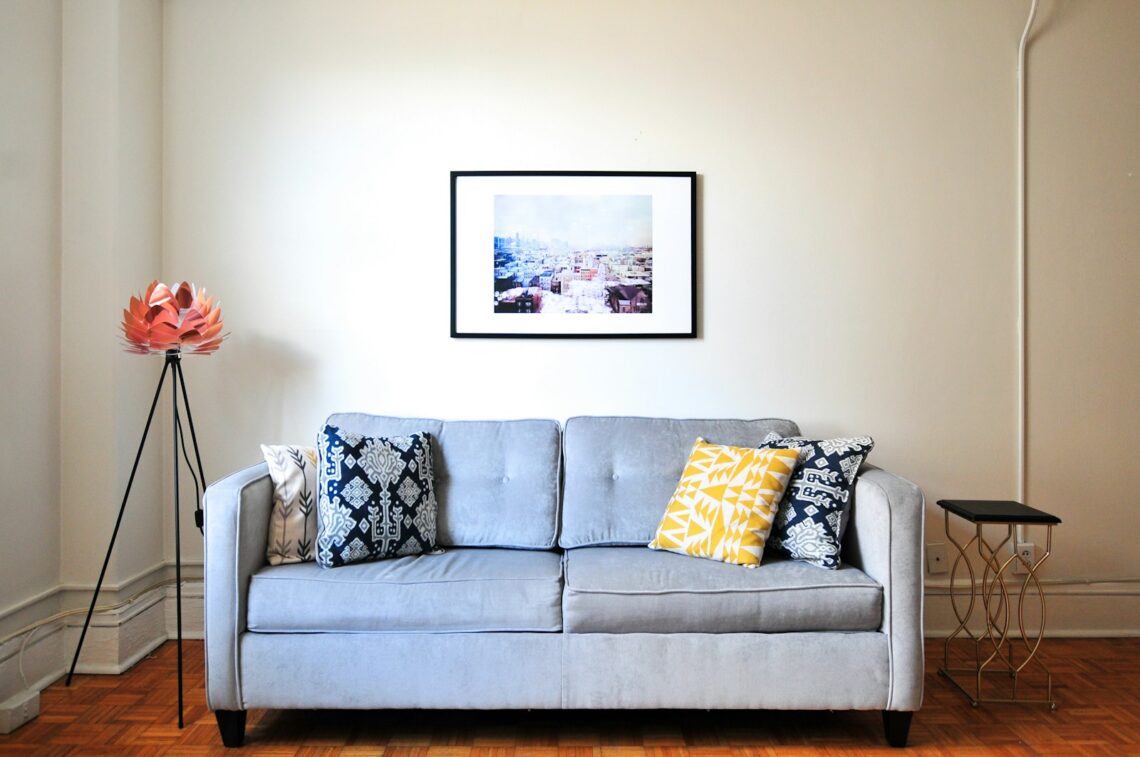
Go neutral on color. Oatmeal, charcoal, or navy lets you swap throw pillows and rugs without replacing the sofa every time your taste shifts. Firm cushions last longer than overstuffed ones. Measure your door, hallway turns, and floor space before ordering.
- Add a $30 to $50 throw blanket from H&M Home or Target to make the sofa feel finished
- Two matching pillow covers in a texture that differs from the sofa fabric
- A coffee table with shelf storage underneath for books, remotes, and baskets
- One area rug that defines the seating zone (8×10 feet works in most apartment living rooms)
Bedroom: From College Setup to Your First Post-Grad Apartment Sanctuary
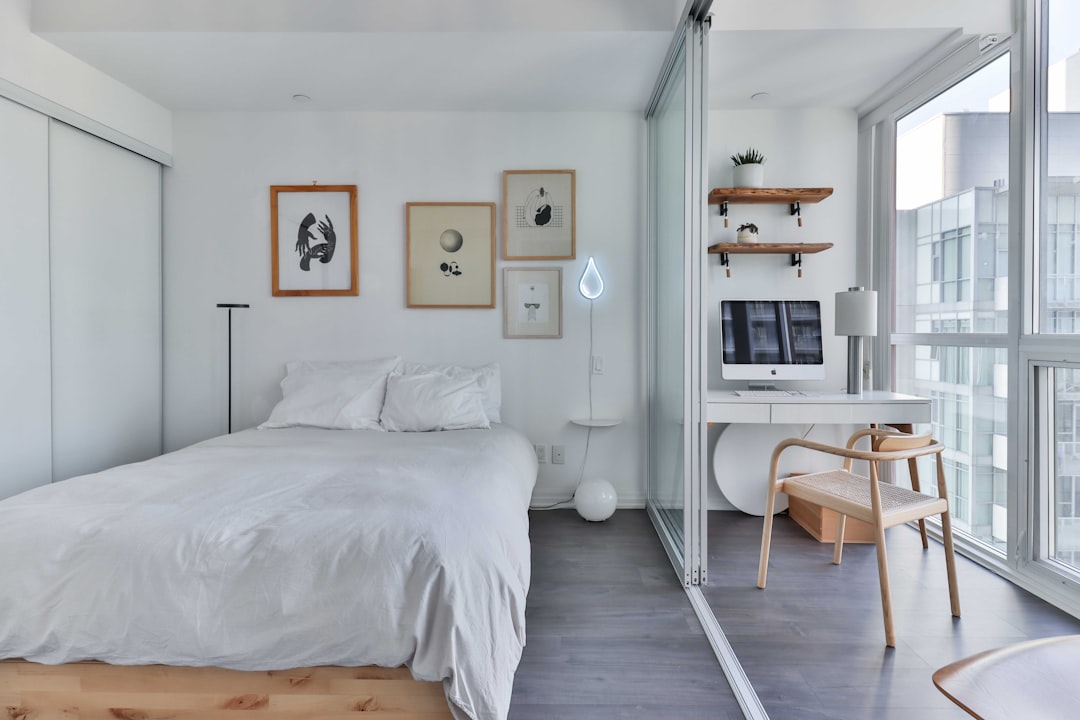
In college, the bedroom is where you sleep and study at the same desk. In your first post-grad apartment, you can finally separate those two functions. This single change makes a measurable difference in both how you sleep and how you work.
Start with a bed frame. A platform bed from IKEA (the Malm starts at $179, the Tarva at $229) immediately shifts the room from “living situation” to “bedroom.” Get the slat kit too, so you do not need a box spring. Place the desk on an opposite or adjacent wall to the bed, even in a studio. The visual separation is enough to help your brain code the two zones differently.
A gallery wall costs under $100 and makes blank rental walls feel like a decision. Society6 and Desenio both offer prints in the $10 to $25 range. Use Command strips or painter’s tape to mount them without losing your deposit. Group 3 to 5 prints at a similar size for a clean look over a consistent arrangement.
- Peel-and-stick blackout curtains ($25 to $40) improve sleep quality fast in light-polluted cities
- A nightstand with at least one drawer (IKEA Hemnes, $119) replaces stacked books and phone chargers on the floor
- Two matching pillow shams over your regular pillowcases make the bed look made even when it is not
- A reading lamp clipped to the headboard or on the nightstand handles light without overhead glare
Kitchen Upgrades for Someone Who Actually Cooks Now
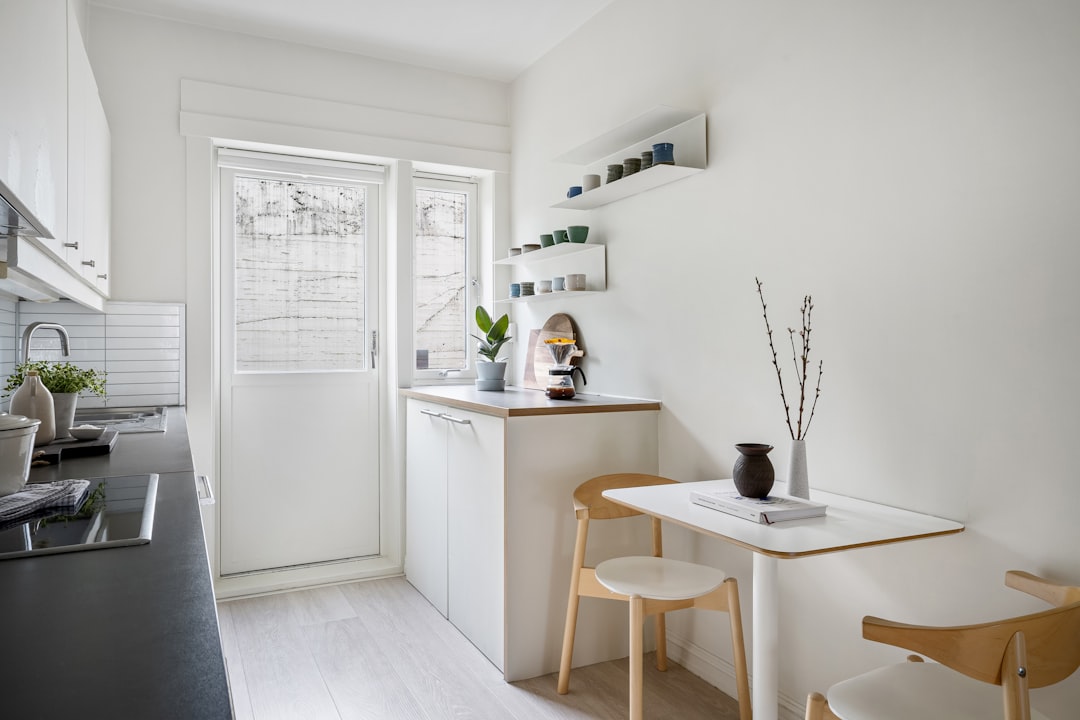
The college kitchen upgrade was a hot plate and a microwave. Your first post-grad apartment kitchen deserves a few more tools, organized in a way that makes cooking feel approachable rather than like a project.
You cannot touch the cabinets. But you can work with what you have. Open shelving is the fastest kitchen upgrade. A simple floating shelf bracket from Amazon ($15 to $25) paired with a wood plank creates visible storage for daily-use glasses, mugs, or a dedicated coffee station. Keeping the items you reach for every morning within arm’s reach removes the friction that makes cooking feel like effort.
Upgrade in order of daily use:
- Coffee station: a burr grinder ($40 from Baratza or OXO) plus a Chemex ($40) or AeroPress ($35) beats any automatic drip machine at double the cost
- One good chef’s knife: the Victorinox Fibrox at $50 outperforms six dull knives
- Cutting board: acacia wood from IKEA or Target, $20 to $30, replaces plastic boards that stain and hold bacteria
- A collapsible or over-sink dish drying rack saves counter space in small kitchens
- Decanting dry goods into matching glass jars ($25 to $40 for a set) clears pantry clutter and looks intentional on open shelves
The goal in a small apartment kitchen is to remove visual clutter and make every visible item earn its place on the counter.
Build a Home Office That Keeps You Productive

College had the library. Your first post-grad apartment needs a spot that does the same job. Even a small desk in the corner of a bedroom or against a living room wall creates the separation your brain needs to switch into work mode.
Start with a dedicated desk surface. IKEA’s Micke desk ($139) fits against most walls and includes a drawer. Pair it with the Alex drawer unit ($119) if you need file storage. A simple monitor riser ($25 to $40) gets your screen to eye level and clears space underneath for a keyboard shelf or small storage tray.
Lighting at the desk matters more than anywhere else in the apartment. A LED desk lamp with adjustable color temperature (3000K warm for evenings, 5000K cool for focus sessions) reduces eye strain during long work blocks. The BenQ e-Reading lamp ($80 to $130) is a consistent recommendation for remote workers.
- An external monitor or monitor arm ($100 to $200) reduces neck strain on full work days
- A chair with lumbar support, not a dining chair carried over from the table
- Cable management clips or a cable spine to reduce the visual mess under the desk
- One plant nearby for a visual break during long sessions
- A wall-mounted fold-down desk ($60 to $120) works well in tight spaces and disappears when not in use
Storage That Looks Intentional, Not Accidental
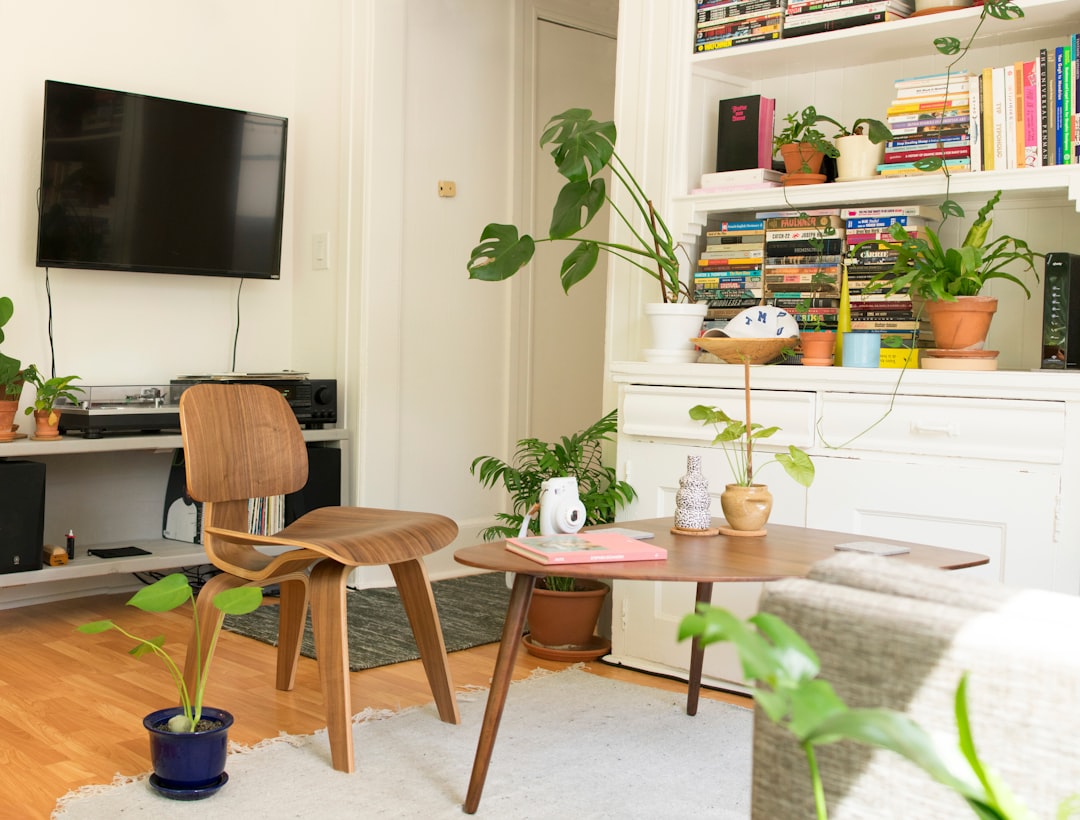
The biggest visual difference between a college apartment and a post-grad one is whether the storage looks like a solution or a problem. IKEA milk crates on the floor are storage. A bookcase with books, plants, and a few objects is a room feature.
In a small apartment, visible storage becomes decor. That means the same two rules apply to everything you leave in view: it needs a function, and it needs to look like it belongs there.
Upgrades that add storage with intention:
- A tall bookcase (IKEA Billy, $59 to $79 depending on height) fills vertical space without eating floor space and provides the most storage per square foot of any freestanding piece
- Under-bed storage containers (clear, with lids) hold seasonal clothing, extra bedding, and anything used a few times a year. For a full breakdown, see these under-bed storage hacks for small apartments
- Over-the-door organizers work in closets, bathrooms, and behind bedroom or pantry doors for free space most renters ignore
- A storage ottoman doubles as seating, coffee table surface, and concealed compartment
The most common mistake is buying storage that adds visual clutter instead of removing it. Open bins on a high shelf work. Open bags on the floor do not. The rule: if it is visible, it should look like it was placed there on purpose. To avoid other common pitfalls, see the most common small apartment mistakes renters make in their first place.
Your Bathroom Can Feel Better Than a Dorm Bathroom
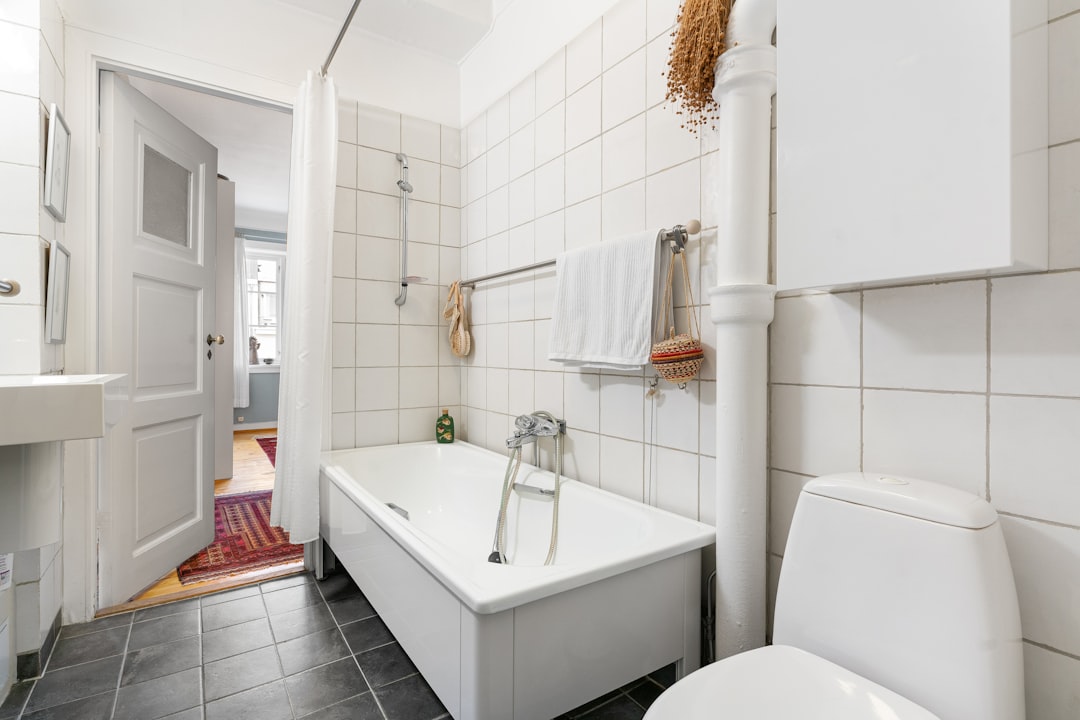
You cannot tile, repaint, or replace fixtures in a rental bathroom. But a rental bathroom has more transformation potential than most renters ever use.
The fastest upgrades are all removable and all affordable:
- A weighted fabric shower curtain ($25 to $40 from Target or H&M Home) hangs better and looks more intentional than the plastic liner the apartment came with
- A bath mat in a real color, not beige: terracotta, deep green, or charcoal ($20 to $35) changes the mood of the whole room
- A tension-rod caddy in the shower ($15 to $25) holds bottles above the floor and clears the soap ledge
- A white ceramic soap dispenser and matching toothbrush holder ($15 to $25 as a set from Target) makes the counter look chosen rather than accumulated
- Two hand towels in a coordinating color hung on the towel bar instead of mixed random ones
The one spot most renters skip: the toilet tank. A small tray with one plant and one candle on top takes two minutes to arrange and makes the bathroom feel like a human being with taste lives there.
What to avoid: wicker organizers that collect humidity and look grimy within six months. Go ceramic or metal for anything living in a bathroom long-term.
Lighting: The Fastest Fix in Any Post-Grad Apartment
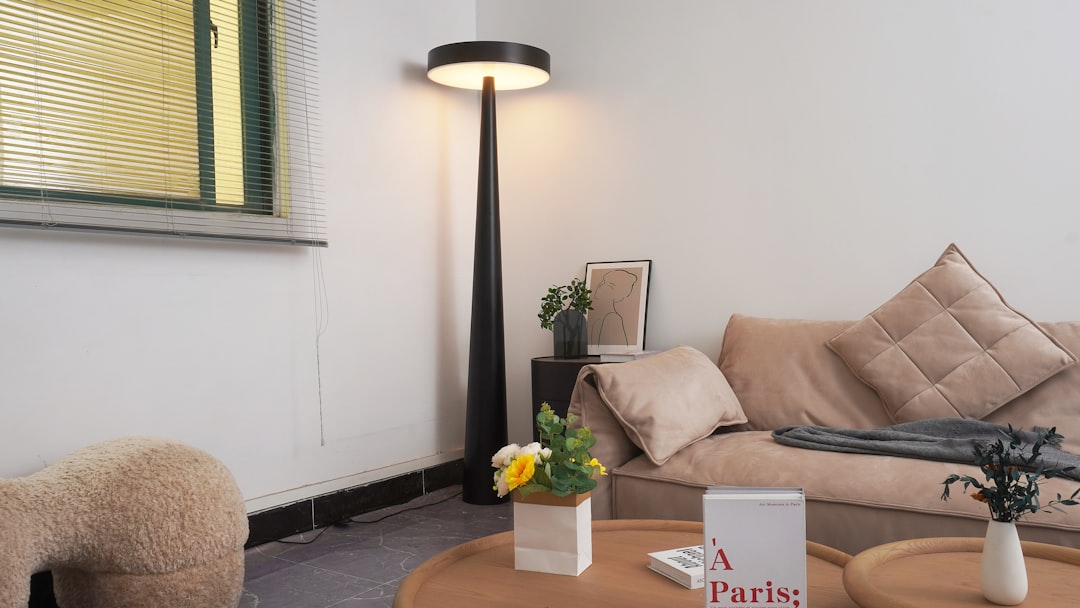
Your college apartment had the overhead light that the building installed in 1994. Your first post-grad apartment can have layered lighting, and it changes how every room feels after 5pm.
Overhead lighting at full brightness makes every room look like an office. The fix is simple: stop using it as your primary light source in the evenings.
What to add instead:
- A floor lamp with a warm bulb (2700K) in the corner of the living room ($60 to $150 from IKEA, Amazon, or Wayfair)
- A table lamp on the nightstand or bedside surface in the bedroom
- A clip-on or shelf lamp at desk level for focused work during evening hours
- LED strip lights behind the TV or along the underside of a floating shelf for ambient fill without a lamp
The cheapest single upgrade: replace every bulb in the apartment with 2700K warm white LEDs. A multipack runs $15 to $30 total. The color temperature shift alone changes how every room feels in the evening from harsh to livable.
Smart bulbs like Philips Hue or IKEA Tradfri let you dim and shift color temperature from your phone. The Hue Starter Kit runs $70 to $100 and covers three to four bulbs. Not required, but useful if you work from home or spend evenings in the living room regularly.
A Dining Setup for Real Meals at a Real Table
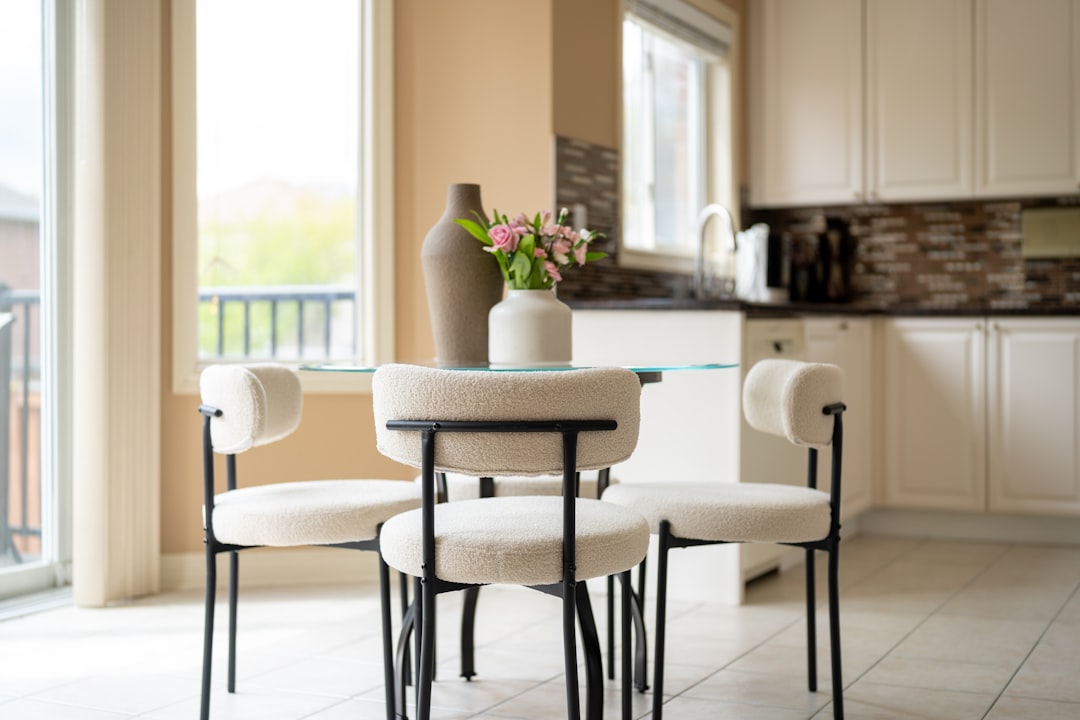
In college, eating at the table usually means eating at your desk between assignments. Your first post-grad apartment gives you the option to separate those two activities, even in a small space.
A dining table does not need to seat eight. A small round table (32 to 36 inches across) seats two comfortably and three when needed, without dominating the floor plan. IKEA’s Lisabo ($129) or the Gamlared ($69) are appropriately scaled for small apartments and work with most chair styles.
Chairs matter more than the table. A solid chair at a simple table looks intentional. A basic chair at a nice table looks incomplete. Bouclé or fabric dining chairs in a neutral color run $60 to $120 each. Metal café-style chairs ($40 to $80 each) work in tighter spaces because they visually recede and stack when not needed.
- A small vase with one or two stems (dried or fresh) on the table even when not eating
- Two taper candles or a low candleholder for weeknight dinners that feel less functional
- A placemat in a texture you actually like (linen, jute, cotton) instead of whatever came with the apartment
The dining table is also a signal to yourself that you live somewhere worth sitting down in. It is one of the most underrated upgrades in any first post-grad apartment, because it changes how you use the space, not just how it looks.
An Entryway That Actually Functions in Your First Apartment
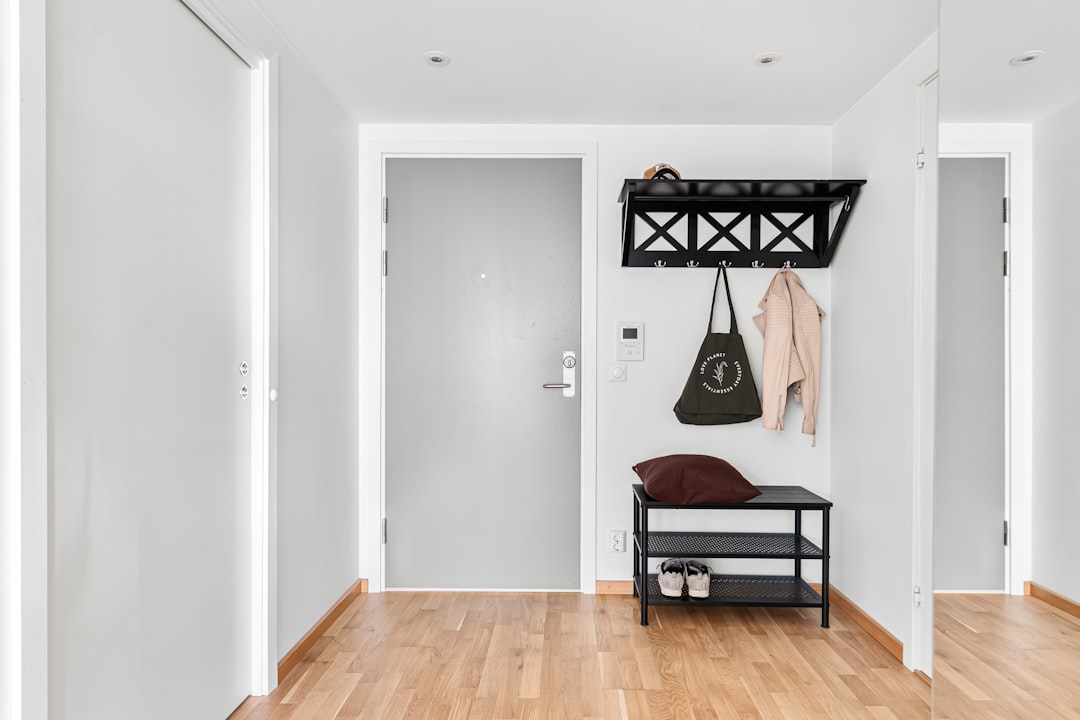
Most rental apartments have no real entryway. You open the door and you are already inside the living room or kitchen. The solution is to create one using the first 18 to 24 inches of wall space near the door.
You need three things: somewhere to hang coats, somewhere to put shoes, and somewhere to drop keys and bags. That is the complete list.
A functional entryway setup under $100:
- A wall-mounted coat rack with 4 to 6 hooks ($25 to $50 from Amazon or IKEA). The IKEA Tjusig is $35 and holds up well in daily use
- A shoe bench or narrow shelf with a basket underneath ($40 to $80) that holds 4 to 6 pairs near the door
- A small catch-all tray or bowl on a narrow floating shelf for keys, transit cards, and daily accessories
This setup keeps the rest of the apartment cleaner. No shoes tracked into the bedroom. No coat draped on the sofa. No ten-minute key search every morning. A round wall mirror above the hooks ($25 to $60) adds a last-look function and makes the entry feel more like a deliberate space than a transition zone.
For more no-drill, renter-friendly upgrades that work in tight spaces, see these Amazon finds built for small apartments.
The Takeaway
Your first apartment after college is the first one you chose for yourself and pay for entirely on your own terms. The upgrades on this list do not require a designer, a large budget, or a long lease. They require deciding that the space you live in is worth a few weekends of intentional work.
Start with the item that bothers you most every day. Fix that first. Then move to the next one. The full list of 15 upgrades works best as a long-term project rather than a single IKEA run. Pick three this month. Pick three more next month. By month six, your first post-grad apartment will look and feel entirely different from the college setup you left behind.
Related reading: