12-Month Cozy Apartment Makeover: A Real Renter’s Transformation Story
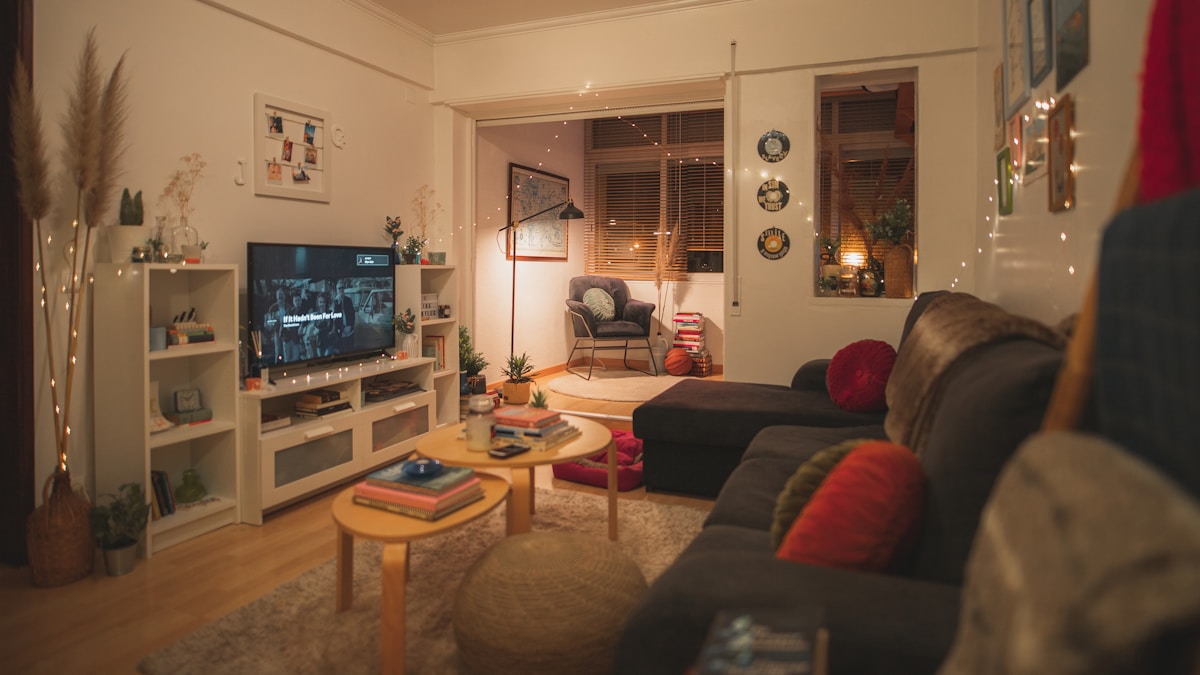
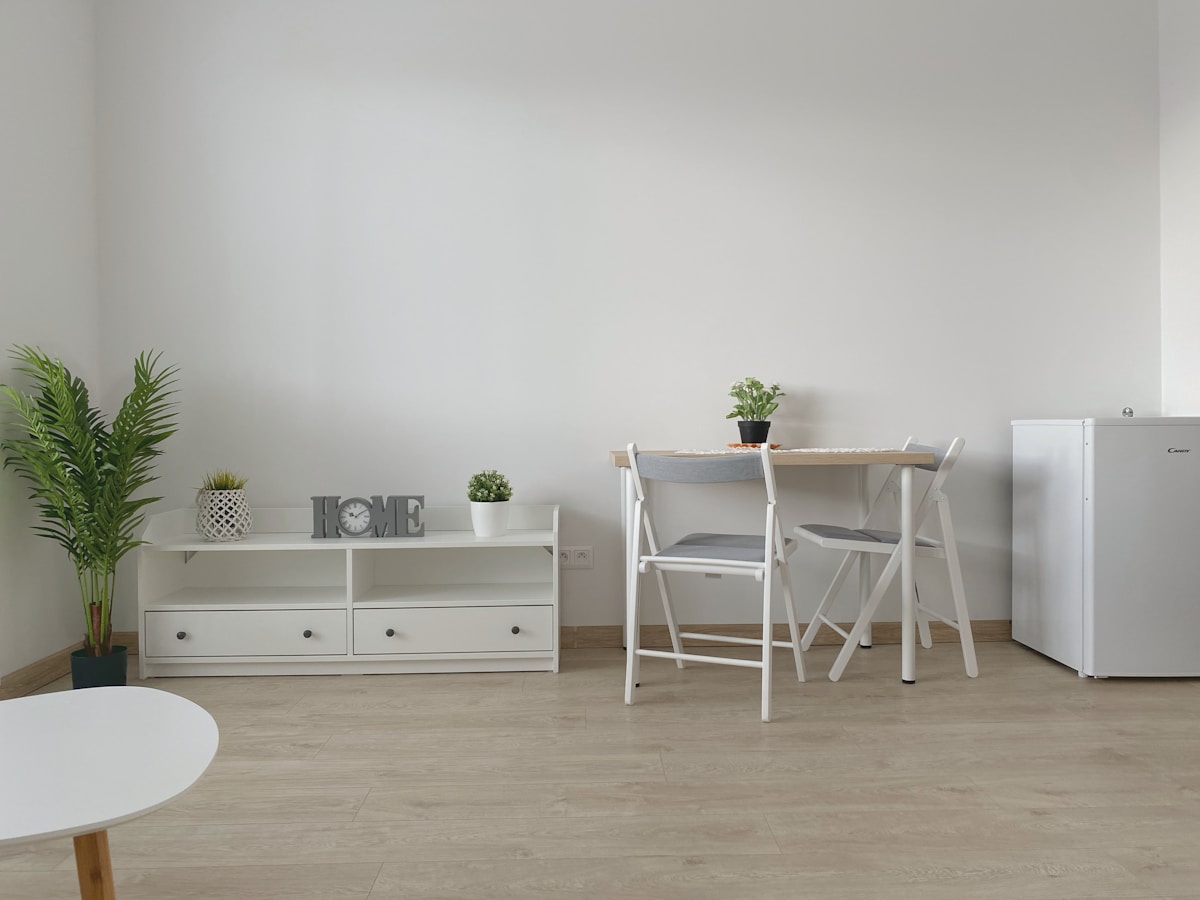
One year ago, I stood in a 480-square-foot apartment holding one box, staring at white walls and laminate floors. Today, the same space feels like a home I actually want to come back to. This is not a story about unlimited budgets or weekend HGTV miracles. It is about a real renter doing a slow, intentional small apartment decor evolution over 12 months, spending an average of $40 a month. Here is exactly what I did, month by month, and what made the biggest difference.
Month 1 to 2: The Blank Slate and the Temptation to Overbuy
The biggest mistake most renters make in a new apartment is panic-buying everything at once. I almost did it. I had a full IKEA cart loaded with lamps, rugs, curtains, and baskets before I realized I had no idea how the space actually lived. I put the cart back and went home with only a white duvet and a $12 floor lamp.
Those first two months were about observation. Where does the light come from at 7 a.m.? Which corner always feels cold? Where do I actually drop my keys, bag, and shoes? This phase saved me from buying the wrong rug size, putting shelves in spots I later hated, and wasting money on storage I did not need.
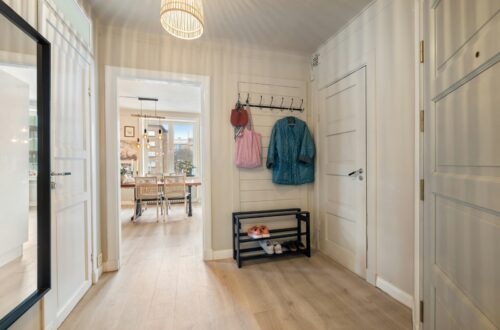
I kept a running notes document on my phone for six weeks. Every time I noticed something about how I used the apartment, I wrote it down. The couch needed to face the window, not the wall. The entry needed a surface for keys because I was dropping them on the kitchen counter, four steps too far. The bathroom had dead wall space above the toilet that could hold shelves. These observations were worth more than any mood board.
If you are just moving in, give yourself permission to live with empty walls for at least 30 days. The discomfort is temporary. The clarity you gain is permanent.
What I actually bought in months 1 to 2:
- A neutral flat-weave rug (5×7 feet, $55 from Amazon Basics)
- Three matching white picture ledges for the main wall ($18 total from IKEA)
- A tension curtain rod and two curtain panels to hide the closet with no door ($30)
Month 3 to 4: Anchoring the Living Room With One Great Sofa
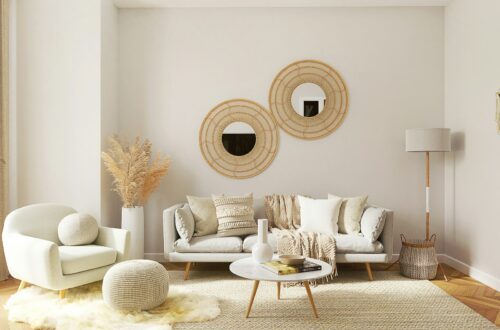
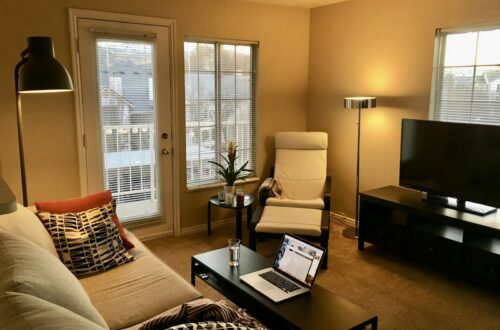
A small apartment lives or dies by its sofa. Everything else orbits that piece. I spent weeks scrolling Facebook Marketplace before finding a linen sectional in perfect condition for $120. The sellers were moving and needed it gone by Sunday. That one piece transformed the living room from a room with stuff in it to a space with a clear focal point.
Once the sofa was in, I could see exactly what was missing. The room needed warmth, not more furniture. I added a jute rug layered over my flat-weave, a $25 side table from a thrift store, and a second-hand arc floor lamp that filled the corner. The total spend for months 3 and 4 was $163.
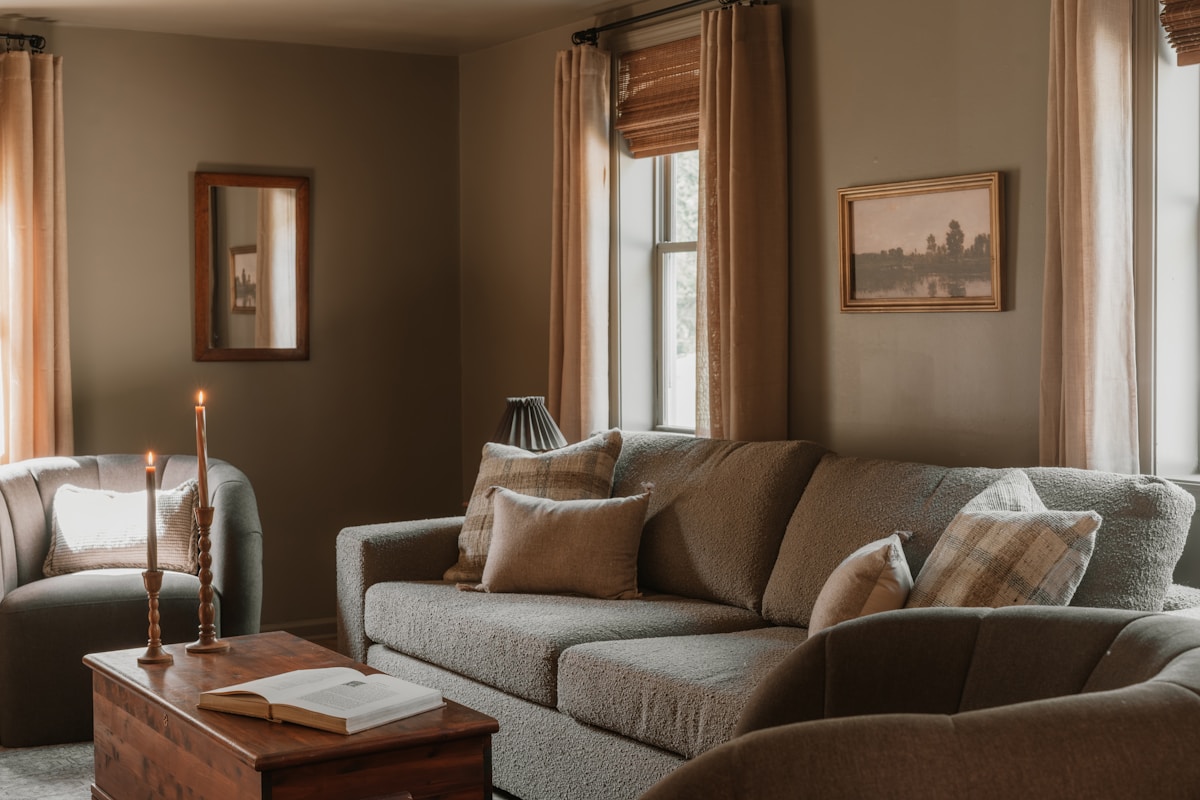
Key lesson: buy the sofa before anything else. Once it is in, the scale of every other decision becomes clear. A sofa that is too big will make a small room feel stuffed. A sofa that is too small will float in the space and look lost. Measure the diagonal path from your front door to the placement spot before you buy.
For a 480-square-foot apartment, a sofa between 78 and 84 inches long is usually the sweet spot. Anything over 90 inches starts to dominate the room. If you are working with under 350 square feet, consider a loveseat (64 to 72 inches) paired with one accent chair instead of a full sectional. The L-shape of a sectional can work in small spaces if the shorter side is 48 inches or less, but it requires very precise placement to leave enough clearance for traffic flow.
Month 5 to 6: Layering Textiles for That Cozy, Lived-In Feel
This is where the apartment started to feel like a home instead of a showroom. Textiles are the single most impactful per-dollar upgrade in a small space. You can change the entire mood of a room for under $80.
I added:
- Two plaid throw pillows from Target’s Threshold line ($14 each)
- A chunky knit throw blanket from H&M Home ($35)
- Linen curtains to replace the original sheer panels (thrifted, $8 for two panels)
- A small boucle accent chair from Facebook Marketplace ($45)
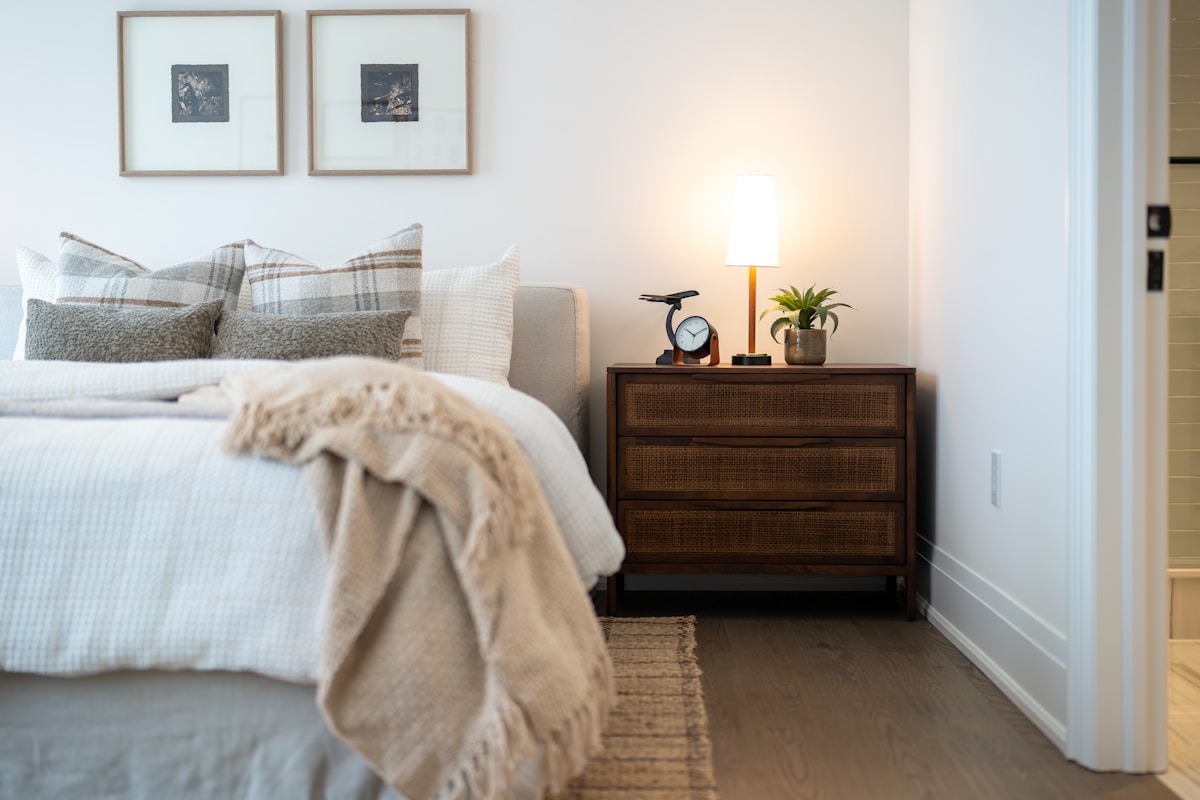
The bedroom got the same treatment. Layering a linen duvet cover over a basic white comforter, adding two Euro pillows, and draping a textured throw at the foot of the bed cost me $67 total. Before this, the bedroom felt like a hotel room. After, it felt like mine. Related reading: above bed wall decor ideas that actually work.
Month 7 to 8: Bringing in Plants and Shelf Life
Plants changed the energy of my apartment in a way that is hard to explain until you experience it. A room with no plants feels two-dimensional. A room with a few well-placed plants feels alive.
I started with the easiest, most forgiving options. A pothos on the highest kitchen shelf (it trails down naturally over months, no effort required). A snake plant in the bedroom corner (zero sunlight needed). A monstera in the living room next to the window (grows fast, dramatic, looks expensive).
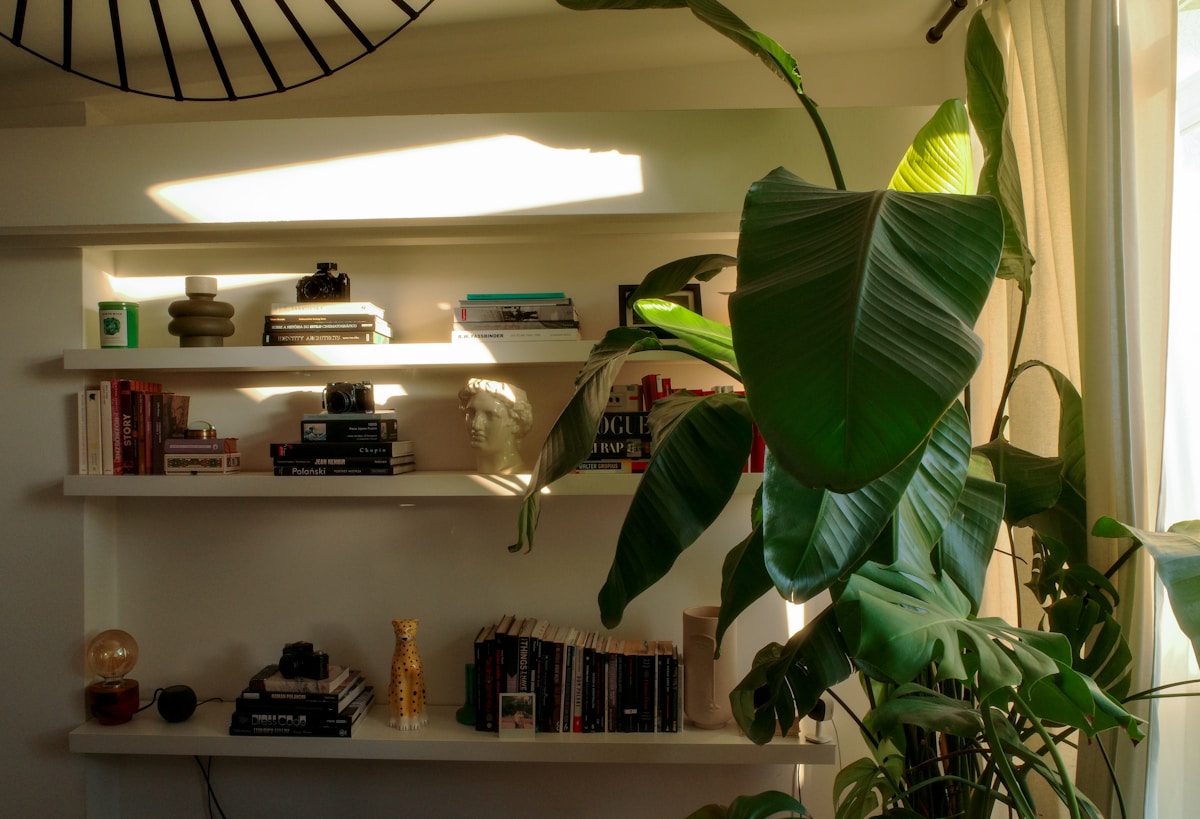
Beyond plants, I used those IKEA picture ledges I installed in month 1 to build out a shelf vignette. The trick is grouping objects in odd numbers (3 or 5), varying heights with small risers or stacked books, and leaving at least 40 percent of shelf space empty. Related reading: beginner plants for your first apartment.
For shelf styling, I followed the rule of threes: group three objects that vary in height by at least two inches from each other. A tall vase, a medium plant, and a short candle holder all in a similar color family will always look intentional. Avoid grouping items of identical height, and avoid crowding more than five objects on a single 24-inch shelf section. Negative space is part of the display.
Month 7 to 8 spend: $95 (three plants and their pots, two small frames, a few secondhand ceramics).
Month 9 to 10: Solving the Storage Problem Once and For All
By month nine I had accumulated enough objects, clothes, and kitchen gear to make the apartment feel cluttered. Storage in a small apartment is not about buying more bins. It is about deciding what goes, what stays visible, and what gets hidden.
I did a one-weekend audit. Every item in the apartment went into one of three piles: display it, hide it, or donate it. That edit alone made the apartment feel 30 percent larger without moving a single piece of furniture.
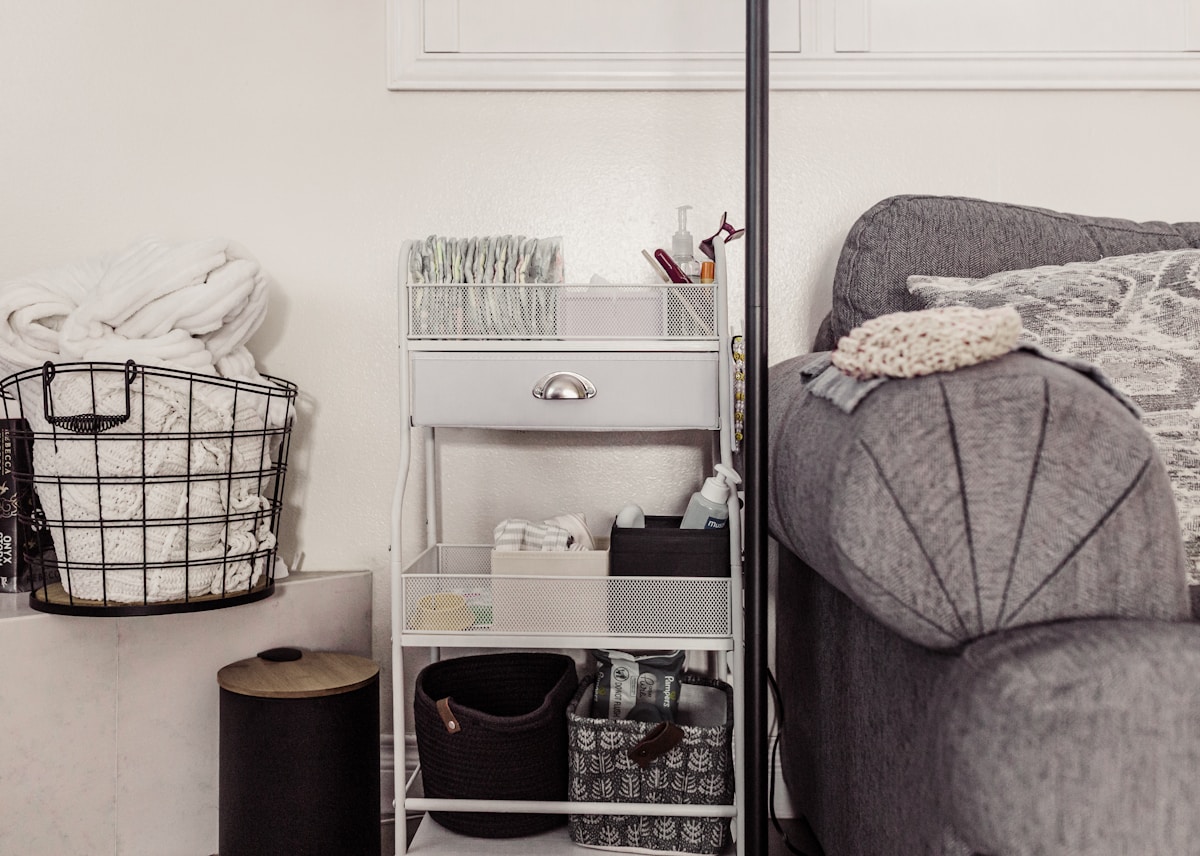
After the edit, I added targeted storage only where there was a real need:
- A three-tier rolling cart for the bathroom (fits between toilet and wall, $28)
- Woven baskets under the coffee table for extra throw blankets
- Command hooks on the back of the bathroom door for towels and robes
- Over-door organizer in the closet for shoes (freed up an entire shelf)
Related reading: behind the door storage ideas for small apartments.
Month 11: Adding Wall Art That Actually Means Something
For most of the year, my walls were bare except for the picture ledges. That was fine. I did not want to commit to art I would regret or spend money on something generic. By month 11, I had a clear sense of what I liked visually and what the apartment needed.
I printed three abstract digital art pieces from Etsy (each $4 to $8 for the digital file) and framed them in matching black IKEA Ribba frames at 11×14 inches. Hung in a row above the sofa, they created a cohesive statement that looked like it cost ten times what it did.
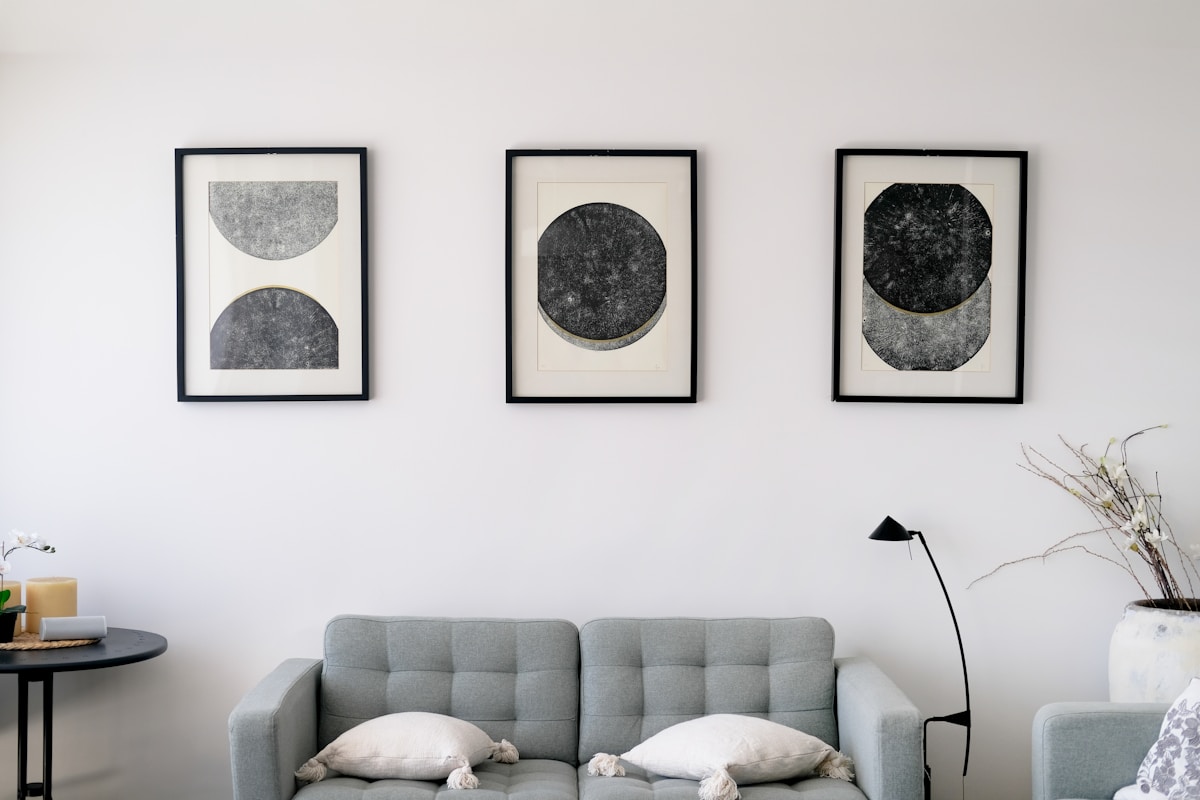
Art hanging tips for renters:
- Use Command Picture Hanging Strips rated for the frame weight. They hold reliably for 12 to 18 months before needing refresh.
- Gallery walls look best with frames that share one common element (same finish, same mat color, or same subject matter).
- The bottom edge of a wall grouping should sit about 8 inches above the top of the sofa back.
- Odd numbers and asymmetry almost always look more natural than perfectly even grids.
Month 12: The Lighting Upgrade That Tied Everything Together
Overhead lighting is the enemy of a cozy apartment. Most apartments have a single overhead ceiling fixture in each room, and that flat light eliminates all warmth and shadow. By month 12, I had eliminated overhead lighting entirely in the main living areas.
My lighting setup after 12 months:
- Arc floor lamp in the living room corner (2700K warm bulb)
- Two plug-in sconces on either side of the bed (no drilling required)
- Battery LED candles on the coffee table and shelves for evening atmosphere
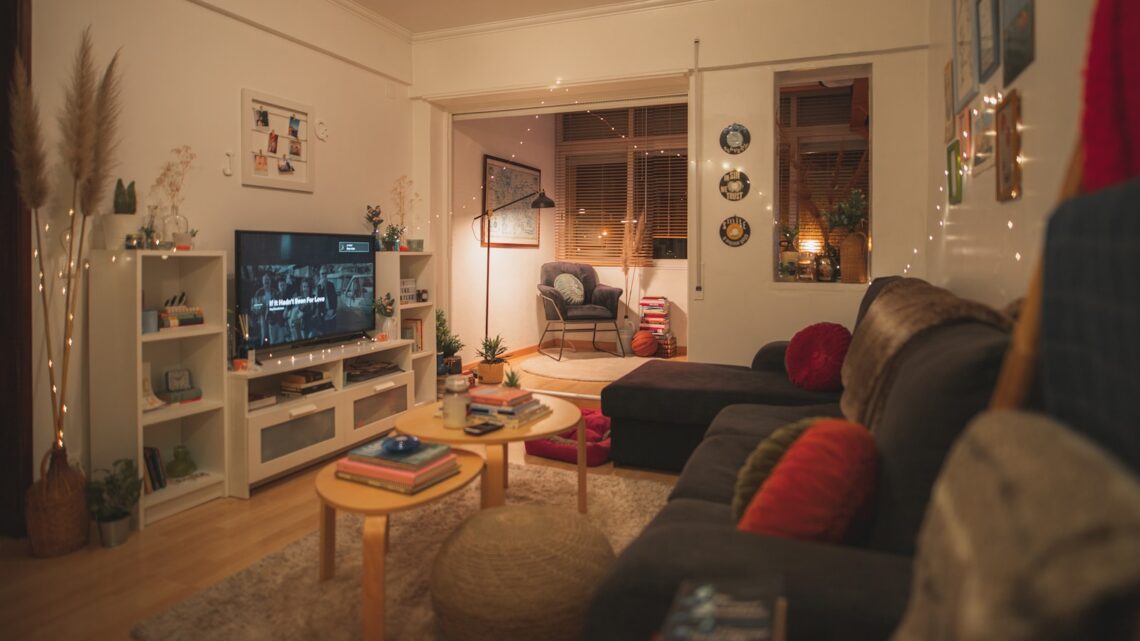
- Warm white fairy lights behind the sofa and around the window frame
- Under-cabinet LED strip in the kitchen (peel-and-stick, $18)
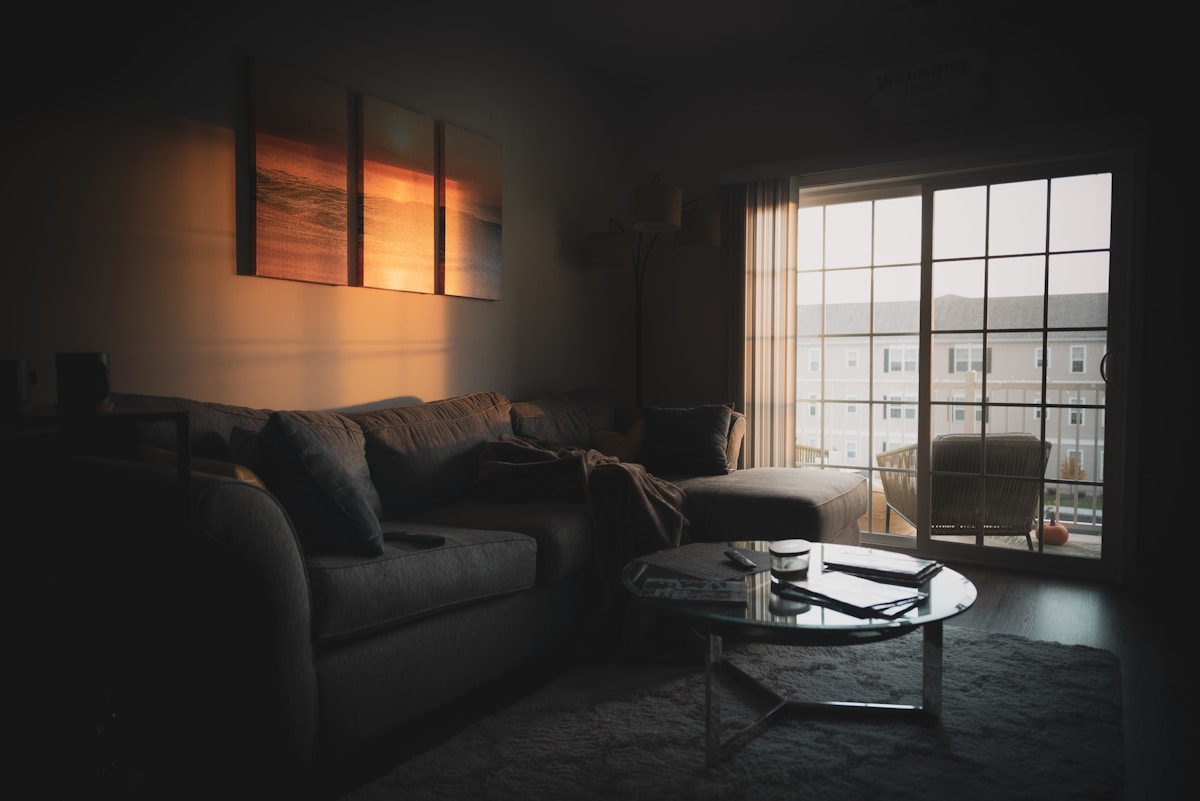
The difference between overhead lighting and layered warm lighting is not subtle. It is the single most dramatic change you can make to an apartment without touching a single piece of furniture. If you do nothing else from this list, switch your bulbs to 2700K and add one floor lamp in the darkest corner of your main room.
What the Finished Space Actually Looks Like
After 12 months, the apartment looks and feels completely different from the blank white box I moved into. But the changes are all reversible. No paint, no permanent fixtures, no modifications that would cost me my deposit. Every single upgrade was renter-friendly.
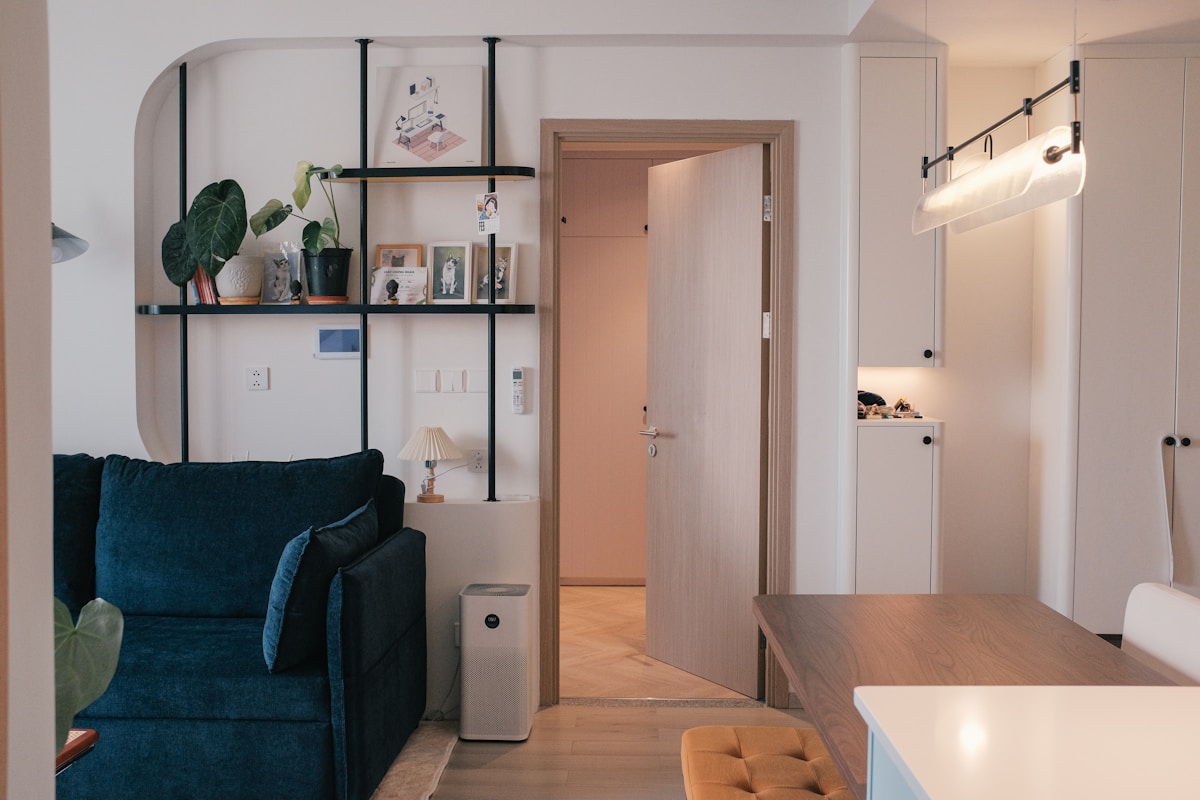
The total 12-month spend came to $487. That is under $41 a month to go from a blank apartment to a home that friends consistently comment on when they visit. The secret is not money. It is patience, observation, and buying things one at a time rather than all at once.
What the apartment has now that it did not have at move-in:
- A clear furniture layout built around a single anchor piece
- Layered warm lighting with no overhead glare
- Three living plants that have tripled in size
- Wall art that feels personal, not placeholder
- Storage that hides clutter without adding visual bulk
- Textiles that change with the seasons for under $30
The Takeaway
A small apartment decor evolution does not happen in a weekend. The best small-space homes are built slowly, with real life informing every decision. The month-by-month approach forced me to live in the space before committing to anything expensive or permanent. By the time I bought something, I was certain it was right.
If you are at month one right now, resist the urge to furnish everything immediately. Spend the first two months watching how you actually use the space. Then start with the sofa. Then textiles. Then plants. Then storage. Then art. Then lighting. In that order, the apartment will grow into itself, and each phase will feel natural rather than forced.
The result is a home that looks curated because it was, slowly, over time, with intention and patience.
Here is the complete budget breakdown by phase:
- Month 1 to 2 (foundations): $103 (rug, ledges, curtains)
- Month 3 to 4 (sofa and living room): $163 (sofa, side table, arc lamp, layered rug)
- Month 5 to 6 (textiles): $81 (pillows, throw, linen curtains, accent chair)
- Month 7 to 8 (plants and shelves): $95 (plants, pots, frames, ceramics)
- Month 9 to 10 (storage): $62 (rolling cart, baskets, Command hooks, over-door organizer)
- Month 11 (wall art): $35 (digital art prints, IKEA frames)
- Month 12 (lighting): $48 (plug-in sconces, battery LED candles, LED strip)
Total: $587. Average monthly spend: $49. Not a single purchase required breaking the security deposit.