Small Apartment vs Tiny House: 12 Honest Trade-Offs for Renters
If you have been comparing a small apartment vs tiny house, you have probably seen a lot of glossy Pinterest boards and not enough real numbers. This article skips the lifestyle fluff and gives you 12 honest trade-offs renters actually need to weigh before committing to either path. Both options can work beautifully, but the details matter far more than the square footage.

What Each Option Actually Means in Practice
A small apartment typically runs between 300 and 700 square feet inside a multi-unit building. You share walls, a hallway, and sometimes a laundry room or lobby. A tiny house is a standalone structure, usually under 400 square feet, either on a foundation or on wheels. Both formats force you to edit your possessions and your habits, but that is where the similarities end.
The distinction matters because:
- Small apartments sit inside a rental agreement with predictable monthly costs and a landlord who handles repairs
- Tiny houses involve land, utility infrastructure, and either a purchase price or a specialized rental arrangement
- Apartment renters sign a standard lease; tiny house renters often navigate zoning laws, land leases, and self-managed utilities
- Tiny houses on wheels create mobility options that apartments cannot match, but also require ongoing registration and storage logistics

Real Costs: What Small Apartment vs Tiny House Renters Pay
Trade-offs 1 and 2 are cost and what you get for it, because they are impossible to separate.
Small apartment costs: In most mid-size U.S. cities, a 400 to 600 square foot apartment runs $1,100 to $2,500 per month. That price usually includes water, trash, and sometimes heat. You pay renters insurance ($15 to $25 per month) and electricity. No down payment, no land lease, and no major setup costs required.
Tiny house rental costs: Renting a tiny house typically costs $800 to $1,800 per month, but you also need to account for land lease fees ($300 to $700 per month in a tiny house community), plus your own utilities setup if the site does not have hookups. If you buy a tiny house outright, prices start around $30,000 for a basic shell and exceed $100,000 for a custom build with quality finishes.
Hidden expenses that renters often miss:
- Tiny houses on wheels require registration, specialized insurance, and towing costs if you relocate
- Composting toilets, propane tanks, and water filtration systems add setup and replacement costs
- Urban apartments often carry parking fees ($50 to $200 per month) and pet deposits ($200 to $500)
- Both options require renters insurance, but tiny houses on wheels are categorized differently and can cost more to insure
The honest verdict: a tiny house is not automatically cheaper than a small apartment once land, utilities infrastructure, maintenance, and insurance are accounted for.

Location, Commute, and Urban Access
Trade-offs 3 and 4 are location and commute time. These two are always linked, because where tiny houses park and where apartments cluster are very different neighborhoods.
Most tiny house communities sit outside urban cores in suburban or rural areas where land is cheaper and zoning is more permissive. If you work downtown or rely on public transit, living in a tiny house often means driving 30 to 60 minutes each way. That time cost compounds over five days a week and adds up to hundreds of hours per year.
Small apartments, by contrast, cluster in walkable urban neighborhoods near transit, restaurants, grocery stores, and employers. You give up the yard and the standalone structure, but you gain the city itself as your extended living space.
Questions to ask yourself before choosing based on location:
- Do you work fully remote? If yes, the tiny house location trade-off shrinks considerably
- Do you rely on public transit? Tiny houses rarely sit near train lines or frequent bus routes
- Do you have children in schools tied to a specific district? Apartment proximity matters here
- Do you value walking to coffee shops, gyms, and groceries daily? Apartments win this category

The Square Footage Reality Check
Trade-offs 5 and 6 are about how square footage actually functions, rather than what appears on a floor plan.
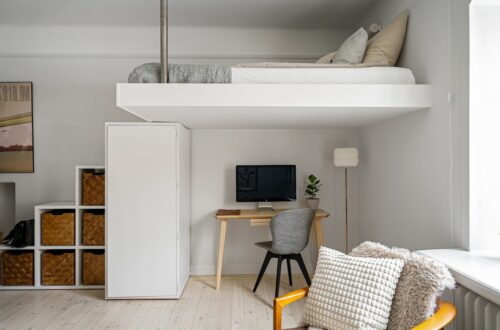
A 350 square foot tiny house sounds extremely tight, but lofted sleeping areas can free up the main floor entirely for living, cooking, and working. The problem is that lofts typically have 4 to 5 feet of headroom, which works fine for sleeping but makes dressing, stretching, or reading upright genuinely difficult.
A 400 square foot apartment places everything on one level. No ladder climbing, no crouching in the bedroom, and no negotiating around furniture on a narrow staircase. The trade-off is that you cannot borrow vertical space, so every furniture choice must earn its square footage on the floor.
In real daily use, a well-organized 400 square foot apartment often feels more functional than a 350 square foot tiny house, because the flow is linear and accessible rather than vertical and awkward. The loft advantage in tiny houses is real on paper but creates daily friction that lifestyle photos do not show.
Kitchen and Bathroom Compromises
Trade-offs 7 and 8 are where tiny houses lose the most ground for renters who cook, entertain, or simply want a bathroom that is separate from the shower.
Tiny house kitchens typically include:
- A two or three-burner propane stove rather than a full range
- An under-counter refrigerator, usually 4 to 6 cubic feet compared to a standard 16 to 18
- No dishwasher, minimal counter space, and shallow sinks that fit only small pots
- Limited cabinet storage, which means pantry items often pile on the counter
Apartment kitchens typically include:
- A full four-burner gas or electric stove with a standard oven
- A full-size refrigerator with a freezer compartment
- A dishwasher in most units built after 2000, especially in urban buildings
- More cabinet and drawer storage, making a complete cookware set practical

The bathroom gap is just as significant. A typical tiny house wet bath measures 30 to 40 square feet and combines the shower, toilet, and sink in a single waterproofed room. You shower over the toilet, essentially. Apartment bathrooms keep wet and dry zones separate and usually offer dedicated storage for toiletries and towels.

Storage, Pets, and the Minimalism Test
Trade-offs 9 and 10 come down to what you own and who lives with you.
Tiny houses demand genuine minimalism, not curated minimalism for Instagram. Many tiny house residents report giving away 60 to 80 percent of their belongings before moving in. That can be liberating, but it is also a real sacrifice if you have a large wardrobe, a book collection, seasonal gear, or a dog with a crate, bed, and 30-pound bag of food.
Small apartments allow more practical flexibility. You can use under-bed storage solutions to handle seasonal clothing and gear without shrinking your living space. Many apartment buildings also offer basement storage units for an additional $30 to $80 per month. You do not need to own less, just organize more intentionally.

Pet reality check for each format:
- Tiny house communities often have pet restrictions, especially for larger breeds
- A dog in 300 square feet needs outdoor access built deliberately into your schedule every few hours
- Cats adapt reasonably well to tiny houses but need vertical perches and climbing options
- Most urban apartments allow pets under 25 to 50 pounds with a deposit, and city parks and sidewalks provide daily dog access without owning a yard
If you are setting up a small apartment and want to avoid the most common pitfalls, the small apartment mistakes to avoid guide covers the errors that cost renters time and money in the first month.
Outdoor Access, Community, and Maintenance Reality
Trade-offs 11 and 12 are about what happens outside your four walls and who handles it when something breaks.
Tiny houses usually come with a yard or outdoor area, even a small one. That outdoor access is meaningful for morning coffee outside, container gardening, or letting a dog out without putting on shoes. Many tiny house communities also cultivate a genuine neighborhood culture around sustainability and intentional living, which creates a sense of shared values among residents.
Small apartments offer a different kind of community: neighbors in a shared hallway, building amenities such as a gym or rooftop terrace, and a surrounding city as your extended social environment. A well-furnished apartment balcony adds real outdoor value without the upkeep of a yard, and walkable streets replace the need for private green space.

Maintenance is where tiny houses carry a hidden cost that apartments completely avoid. When the roof leaks, the composting toilet clogs, the propane runs out, or the water pump fails in a tiny house, you handle it or pay a contractor directly. In an apartment, you submit a maintenance request and go to work. That gap matters enormously when you have a full-time job and a busy schedule.
Which Option Wins for Renters Right Now: Small Apartment vs Tiny House?
There is no single winner, but there are clear patterns based on actual renter needs and lifestyles.
Choose a tiny house if you:
- Work fully remote and have genuine location flexibility without career risk
- Already own very little and genuinely enjoy minimalist living rather than aspiring to it
- Want daily outdoor space and are prepared to maintain it yourself
- Live alone or with one partner who shares your lifestyle values equally
- Have a mechanical inclination and are ready to handle utilities maintenance and minor repairs
Choose a small apartment if you:
- Commute to work or depend on public transit for your daily routine
- Have a pet, a book collection, outdoor gear, or a wardrobe that needs real storage
- Value a full kitchen, a standard bathroom, and appliances that work reliably
- Want a landlord to handle repairs so you can focus on work and your personal life
- Enjoy restaurants, coffee shops, gyms, and groceries within a 10-minute walk

For most renters living in or near cities, a small apartment delivers more practical value per dollar than a tiny house rental. The tiny house movement is genuine and its values are worth understanding, but the logistics of finding legal parking, managing utilities, and handling maintenance often cost more in time and money than lifestyle content acknowledges.
If you are planning to move in with a partner and consolidating two households into one space, the guide on moving in together and merging belongings covers the organizational strategies that prevent early conflict in tight quarters.
The Takeaway
The small apartment vs tiny house debate is not really about square footage. It is about lifestyle architecture: where you work, how you move through your city, what you own, and how much maintenance capacity you have in your life. Both options can be stylish, intentional, and genuinely comfortable when matched to the right person.
Start with location and your daily commute. If that works for tiny house living, work backward through kitchen needs, storage requirements, pet considerations, and maintenance tolerance. If any of those factors break the equation, a small apartment is usually the more practical and often more affordable path for urban and suburban renters in today’s market.