A bedroom with no closet is the defining feature of every pre-war apartment in New York, Boston, Chicago, and most older European cities. The building was finished before built-in closets were standard, the landlord has no plans to add one, and your lease says you cannot drill into the plaster. Welcome to the project.
These seventeen no closet bedroom ideas are written for renters in old buildings who need to store an actual wardrobe, two seasons of shoes, and the laundry hamper inside a 10 by 12 foot room without putting a single hole in the wall. Every solution here either freestands, leans, hooks over a door, or relies on Command strips, and every one of them has been used in a real pre-war one-bedroom.
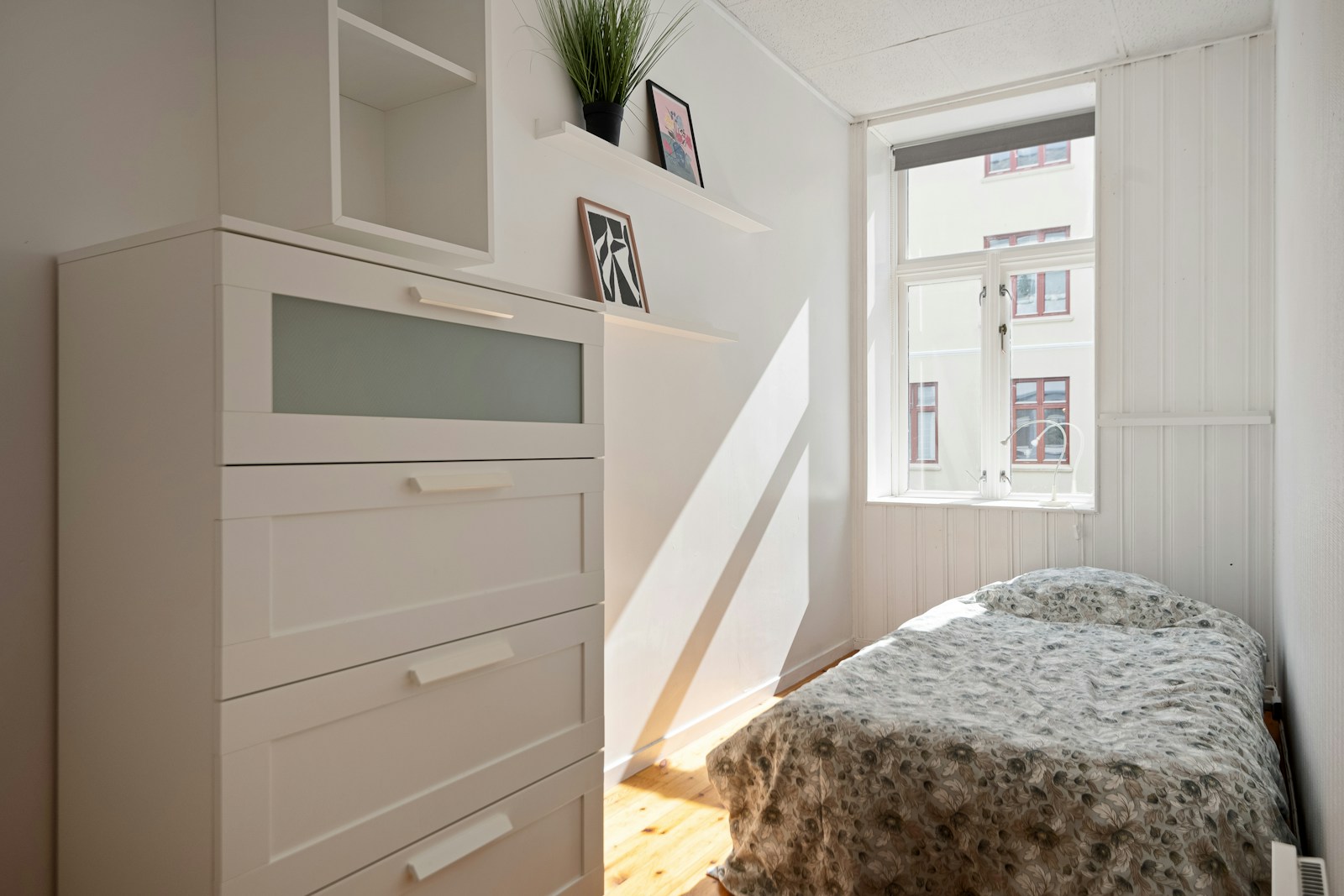
1. Accept the building, then plan the wall
Before you buy anything, do an audit. Walk into the bedroom with a tape measure and write down four numbers: ceiling height, the longest uninterrupted wall, the shortest wall, and the width of the door. In a typical pre-war bedroom you are working with 9 to 10 foot ceilings, one 10 foot wall, one 8 foot wall, and a 30 inch door. Those four numbers dictate everything that follows.
The ceiling height is the most underused asset. Standard bedroom furniture stops at 5 feet. Anything you stack above that is free storage. Plan to use the wall vertically all the way to within 12 inches of the ceiling on at least one wall, and most of the no-closet problem solves itself.
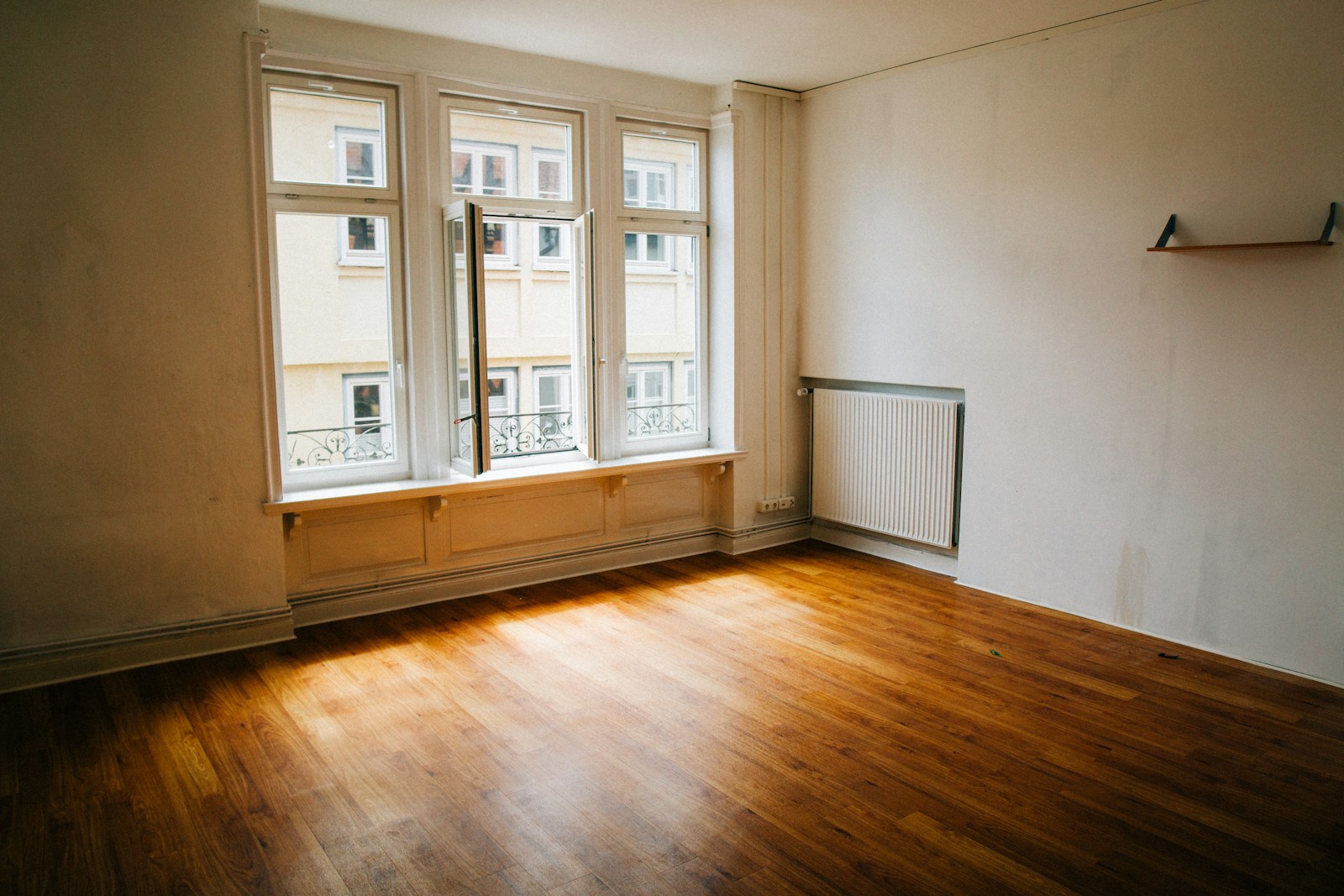
2. Buy one freestanding wardrobe, not three small storage pieces
The biggest mistake renters make in no closet bedroom ideas is buying a $40 garment rack, a $60 plastic dresser, and a $50 over-the-door organizer, then layering them in a corner. The result is visual chaos and roughly the same storage as one well-chosen wardrobe.
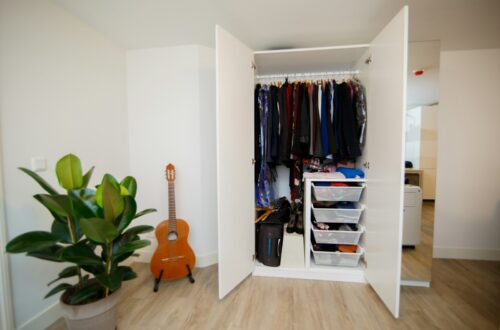
The IKEA Pax (50 inches wide, 93 inches tall, around $400 configured) is the standard answer, and for good reason. It hangs a full season of clothes, has drawers, takes a single anchor strap (technically a drill but the hole is tiny and easy to fill at move-out), and reads as architecture once you put it against a wall. If Pax is too expensive, the IKEA Hemnes wardrobe at $300 or the Songesand at $200 work the same way at slightly less capacity.
For 19, 20, and 21 in the title math, idea two is really three combined: one wardrobe, one tall dresser, one floor mirror. That trio replaces a built-in closet in roughly six square feet of footprint.
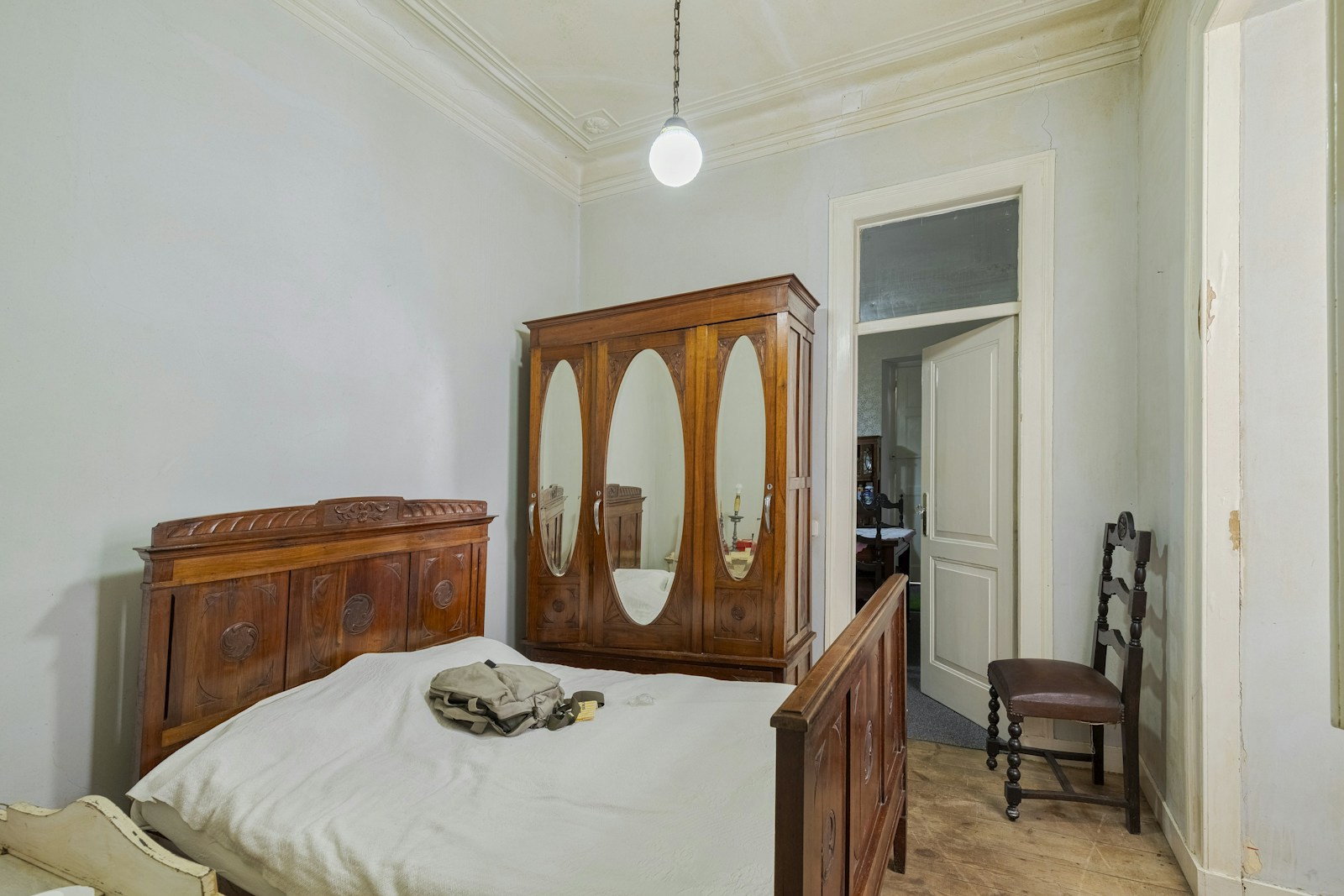
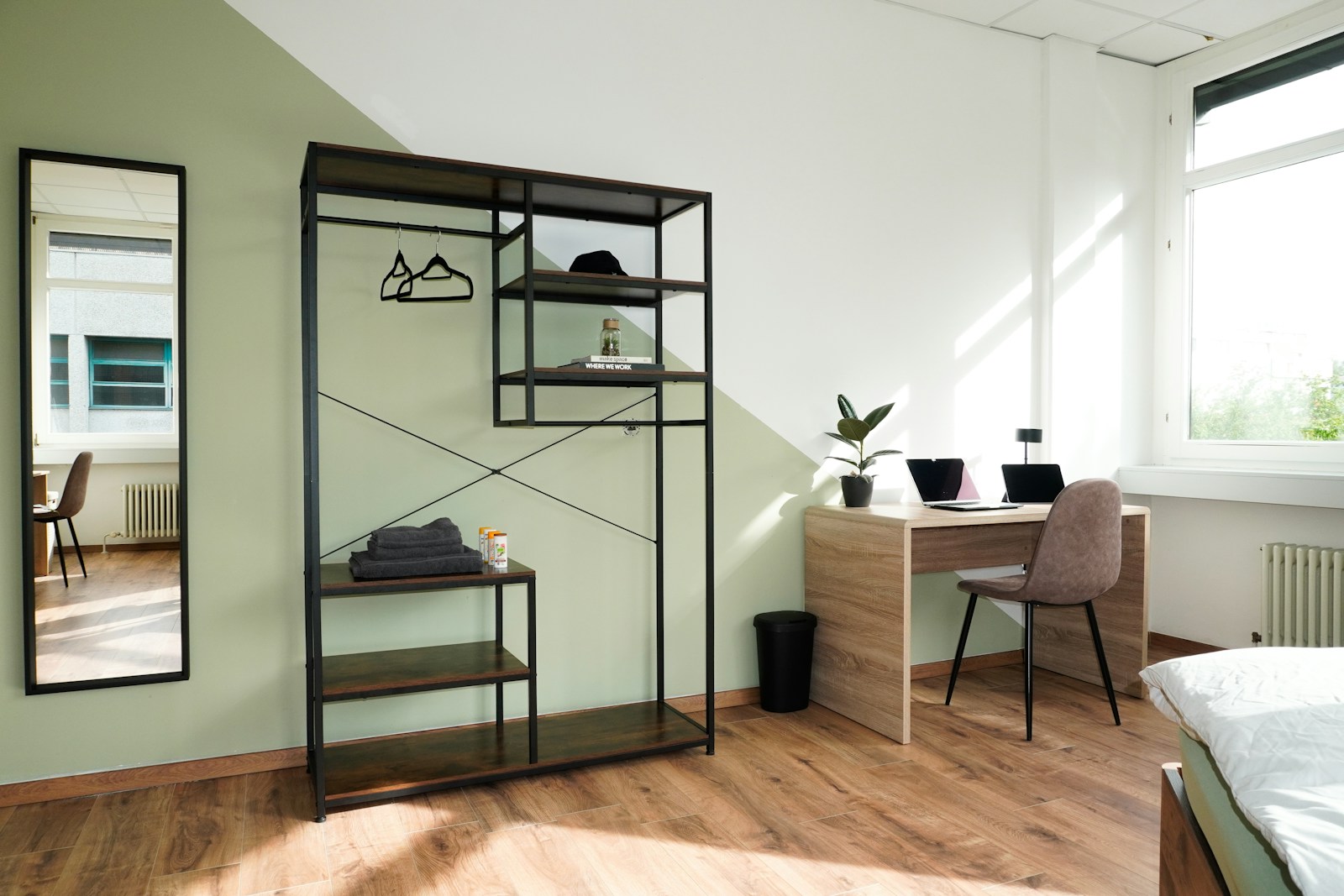
3. Use an open shelving wardrobe if you want the clothes to be visible
For renters who actually like seeing their wardrobe (and who own enough nice pieces to display), an open metal wardrobe with two hanging bars and built-in shelves does what a closet does, only on view. The IKEA Mulig clothes rack at $25 is the entry-level version. The Rigga at $30 has a top shelf. The Burrow Index open wardrobe at around $700 is the upgrade for renters who plan to stay three years and want the bedroom to look intentional.
The rule with open shelving wardrobes: it only works if you commit to a tight color palette in your clothes (mostly black, white, oat, and one accent) and you actually fold the t-shirts. If your wardrobe looks like a thrift store rack, hide it.
4. Hang a tension rod or branch across an alcove for cheap hanging
Most pre-war bedrooms have an awkward alcove (the radiator nook, the chimney breast inset, the corner behind the door) that is too small for furniture and too useful to waste. A heavy-duty tension rod ($25 from Amazon, rated to 40 pounds) wedges between the two walls of an alcove and instantly gives you 3 feet of hanging space. No drilling, no anchors, removable in two minutes at move-out.
If you want the look without the metal hardware, a sturdy branch suspended from two ceiling hooks (or strong Command Outdoor Light Clips that hold 5 pounds each) reads as deliberate styling. Curate ten pieces, hang them on matching wood hangers, and the rod becomes part of the decor instead of a workaround.

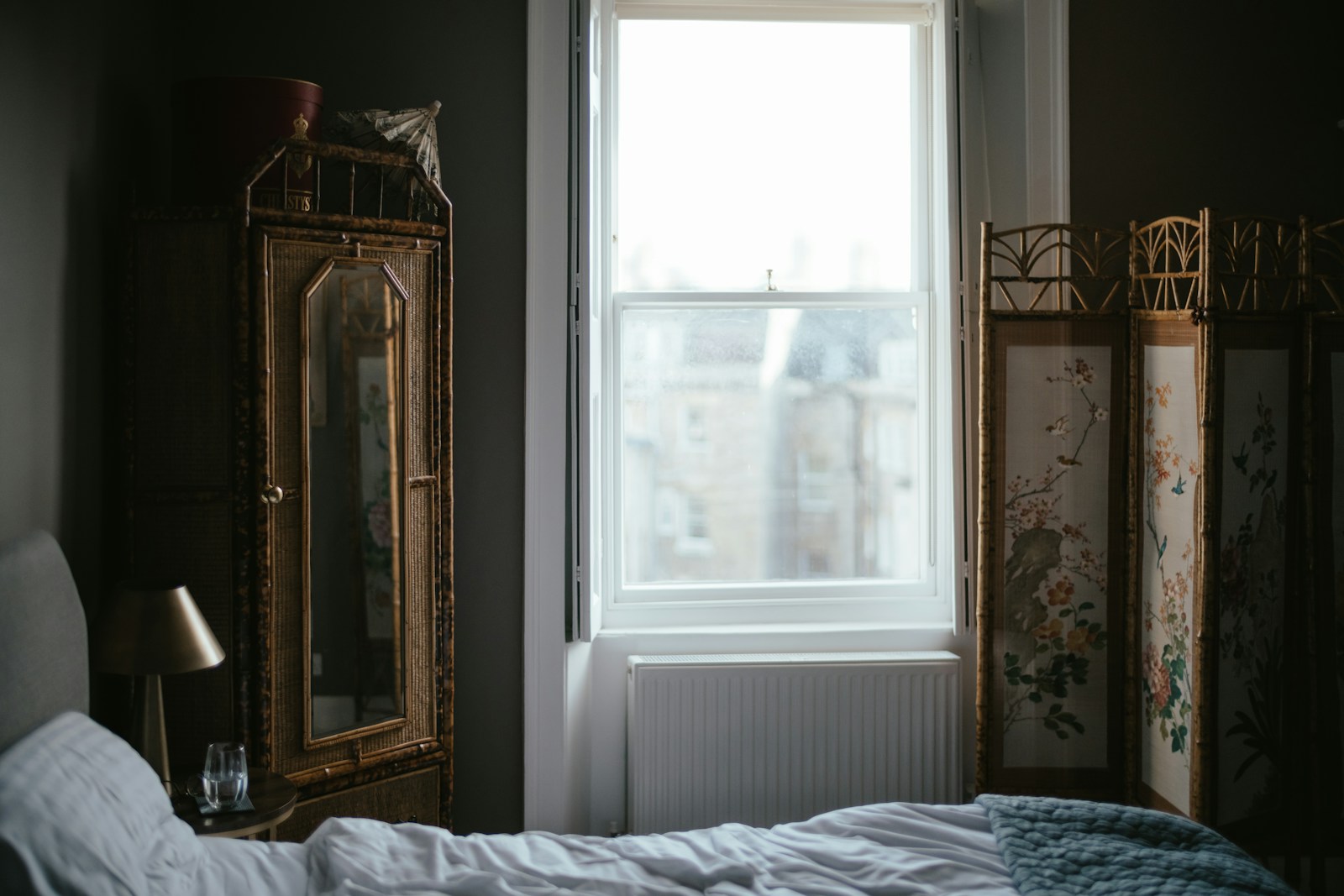
5. Use a folding screen as the visual end of your wardrobe zone
If your wardrobe, rack, or shelving sits in the open (and in a no-closet bedroom it always does), a three or four panel folding screen placed at a 30 degree angle in front of it hides the visual noise without taking real space. Open the screen when you are getting dressed, fold it flat against the wall the rest of the day.
Vintage rattan or paper screens from Etsy or Chairish run $150 to $400 and add real character to a room. The new IKEA Risor screen at $130 is the budget option. Pre-war bedrooms with high ceilings can carry a 71 inch tall screen without it feeling oversized.
6. Treat the end of the bed as real storage with a trunk or bench
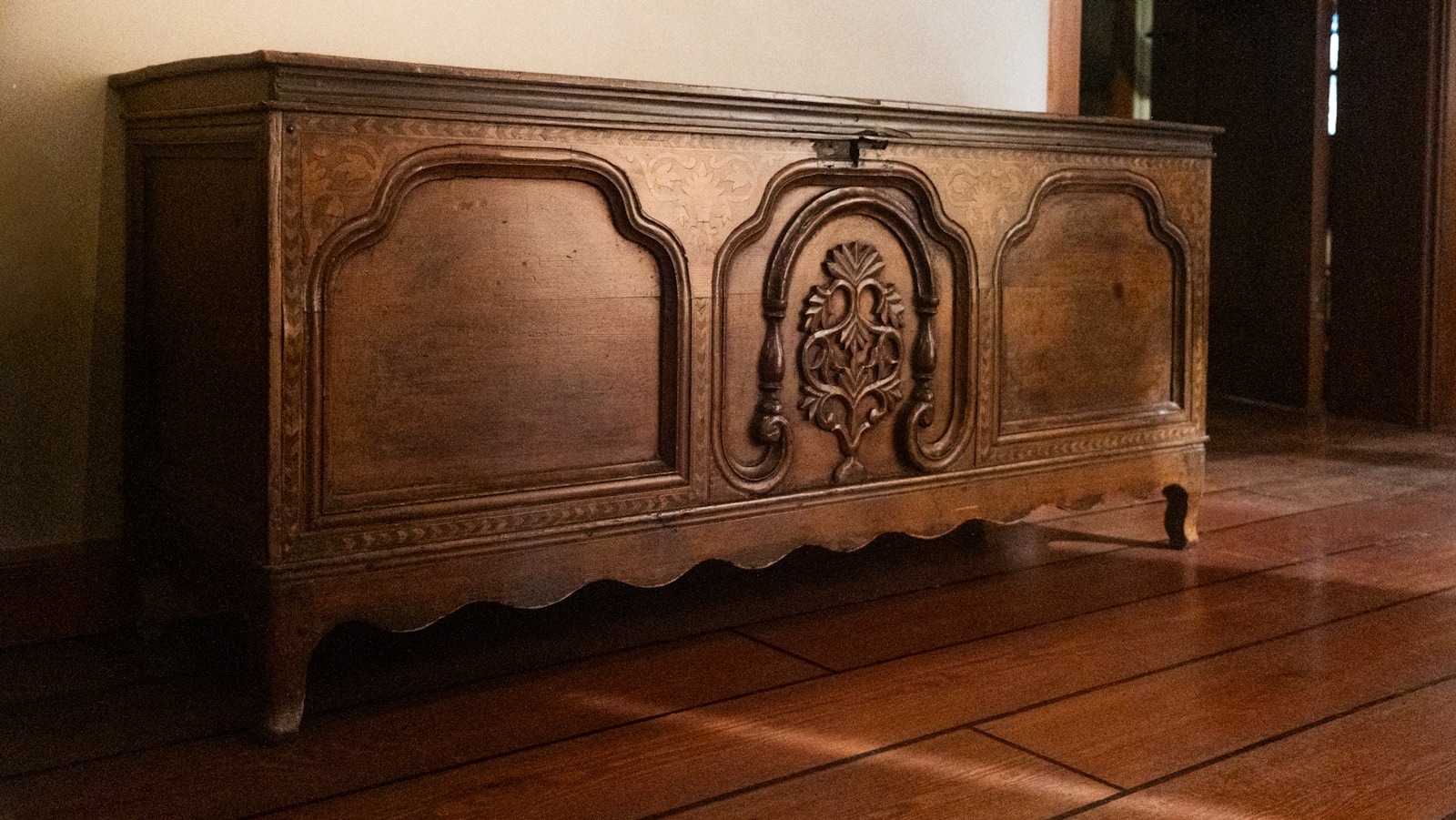
The 18 inches of floor at the foot of a bed is the most under-used storage in any no-closet bedroom. A vintage steamer trunk (Etsy, $150 to $300), a flat-top blanket chest, or a long upholstered storage bench gives you 4 to 6 cubic feet of hidden storage and a place to sit while you put on shoes.
For renters, trunks have the additional advantage of being movable. They are not furniture you have to disassemble at move-out, and a good one only looks better over time. Use them for off-season clothes, extra bedding, or anything you do not need to reach more than once a month.
7. Replace nightstands with stacked or low bookshelves
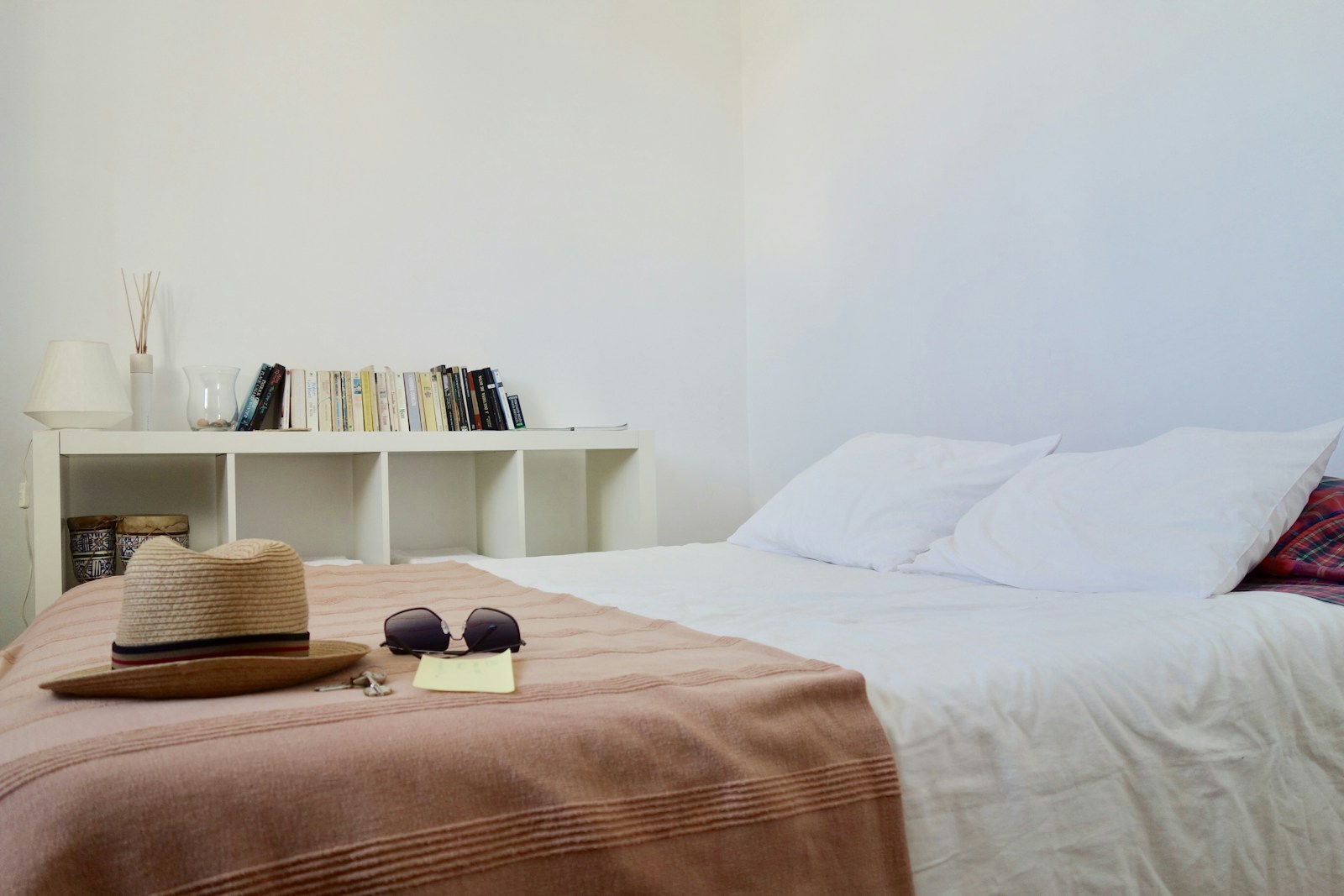
A standard nightstand gives you one drawer and a flat top. A 30 inch wide low bookshelf gives you four cubbies, takes the same footprint, doubles as the headboard wing, and stores books, baskets, and lamp cords without the visual heaviness of a piece of bedroom furniture. The IKEA Kallax at 30 by 30 inches ($60) is the workhorse.
For an even cleaner look, put two narrow tall bookshelves on either side of the bed and run a single floating shelf between them as a built-in headboard ledge. You get more storage than two nightstands, you read as having a custom bed wall, and you can take the whole thing apart in 20 minutes at move-out.
8. Make the dresser the main piece of furniture in the room
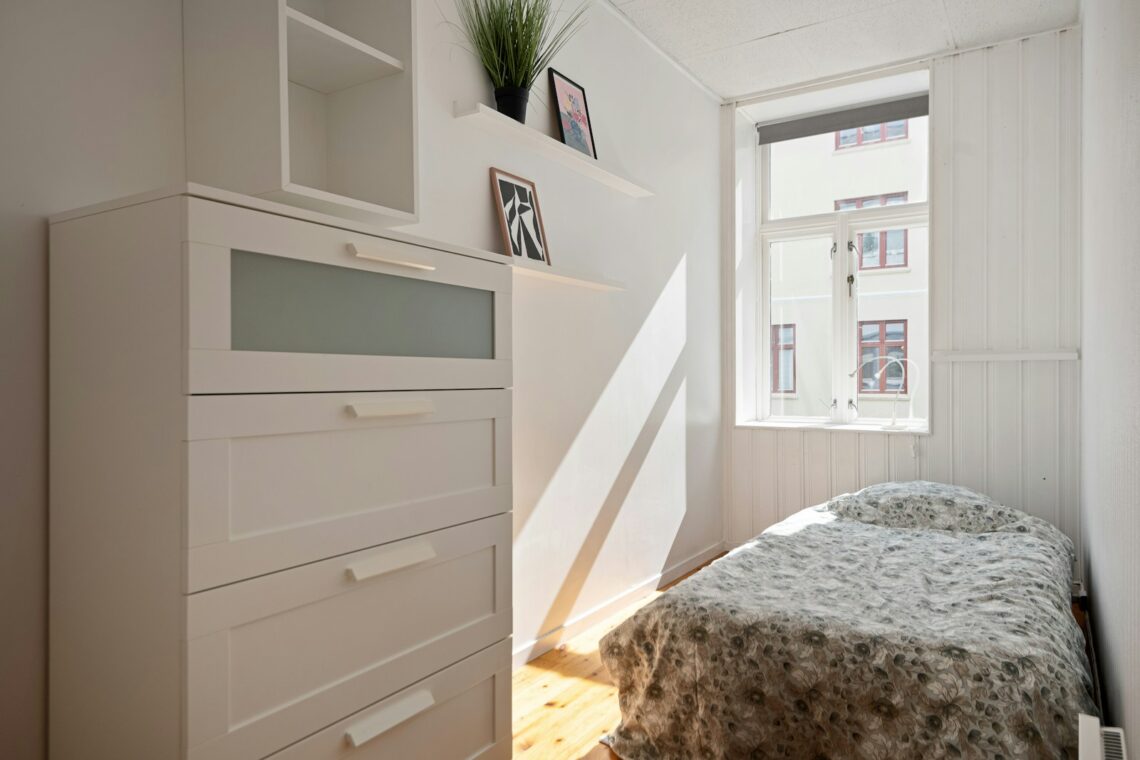
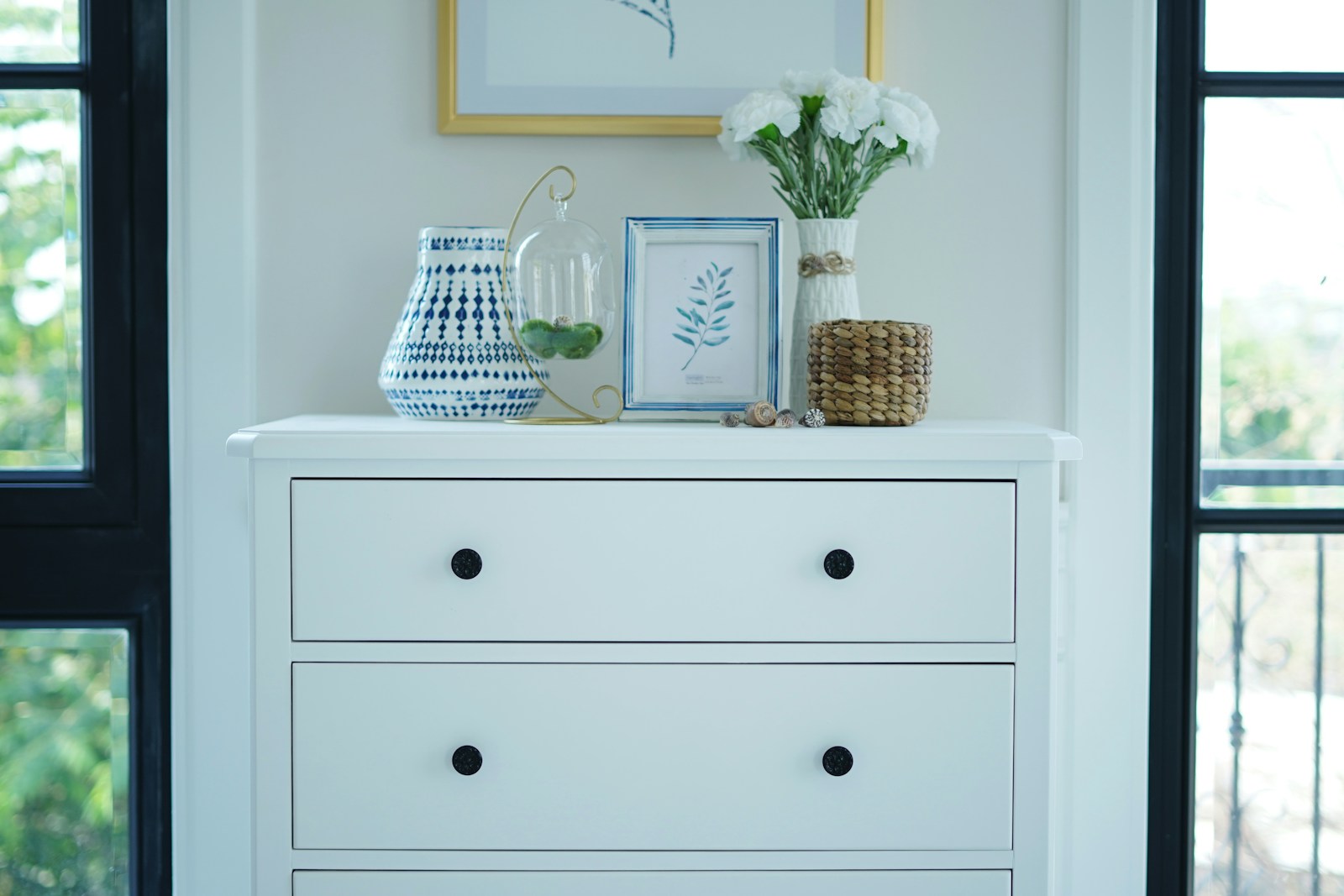
If you do not have a closet, the dresser is doing the work of the closet. Buy one good one instead of two cheap ones. A six-drawer wide dresser (West Elm Mid-Century, IKEA Hemnes 8-drawer, or a vintage MCM piece from Facebook Marketplace) holds the entire folded part of a wardrobe, doubles as a TV stand if needed, and reads as a piece of furniture rather than storage.
Style the top like you would a console table: one large piece of art leaning against the wall, one table lamp, one shallow tray for jewelry and keys, one ceramic vessel, one stack of two or three books. That is it. The dresser stops looking like a dresser and starts looking like a piece of the room.
9. Use the back of the door and the over-bed space (the last 12 ideas, condensed)
The remaining no closet bedroom ideas come down to surfaces most renters never touch. Use them in combination based on how much you actually own.
The back of the bedroom door takes an over-the-door organizer (the Container Store one with 24 mesh pockets, $30) or a 6-hook over-the-door rack from Amazon ($15). The over-the-door rack holds bags, robes, and tomorrow’s outfit. Pocket organizers hold shoes, scarves, accessories, or rolled-up t-shirts.
The 18 inches between the top of a typical wardrobe and the ceiling becomes off-season storage with matching woven or fabric bins (IKEA Tjena boxes at $4 each in a 10-pack). Label the front of each box so you can find what is inside without pulling them down.
Hooks installed with Command strips on the wall (rated to 5 pounds each, replace once a year) handle hats, belts, totes, and the bag you wear every day. A pair of hooks on the inside of the door frame holds robes and tomorrow’s outfit. A full-length leaning mirror in the corner doubles as your getting-dressed station and bounces light into a dim pre-war bedroom. Add a small shoe rack inside the door (3-tier metal, $25) and the last bit of clutter has a home.
That covers all 17 ideas in a no closet bedroom: one freestanding wardrobe, one open shelving option, a tension rod alcove, a folding screen, a foot-of-bed trunk, bookshelf nightstands, a hero dresser, an over-the-door rack, an over-the-door pocket organizer, top-of-wardrobe bins, Command hooks on the wall, door-frame hooks, a leaning mirror, a shoe rack, a tall dresser, a styled console-top arrangement, and the audit-first habit that ties it all together.
The takeaway
Not every renter in a no-closet bedroom owns the same amount of clothing, and the right combination depends on volume. If you have a minimalist wardrobe of 40 pieces or fewer, an open metal rack plus a 3-drawer dresser is enough, and the room can stay airy. If you have a standard wardrobe of 80 to 150 pieces, you need a real freestanding wardrobe (Pax or equivalent) plus a 6-drawer dresser, and you should plan for a trunk at the foot of the bed for off-season storage. If you have a maximalist wardrobe of 200+ pieces, you need a wardrobe wall (two Pax units side by side), a tall dresser, and you probably should consider a clothing audit before you furniture-shop your way out of it.
The wardrobe audit is the unromantic step nobody likes, but it saves the most space. Pull every piece out, try it on if you have not worn it in six months, and donate anything you do not actively reach for. A pre-war bedroom does not have square footage to spare on clothes you are saving for the next time you feel like that version of yourself. Edit first, store second, and the no-closet problem shrinks by half before you have bought a single piece of furniture.
A pre-war bedroom with no closet is not a problem to solve, it is a constraint to design around. The mistake renters make is fighting it (cramming a flimsy garment rack into the corner and hoping nobody notices) instead of accepting that the bedroom needs two or three pieces of real furniture doing the work a built-in closet would have done.
The cheapest viable setup is a Pax wardrobe, an IKEA Hemnes 8-drawer dresser, a leaning mirror, and two over-the-door organizers, total around $700. The version that actually looks good adds a folding screen, a vintage trunk at the foot of the bed, and a tight color palette for everything else in the room, total around $1100. Either version reads as a real bedroom, not a workaround, and either version comes apart in under an hour when you move.
Start with the wardrobe, then the dresser, then the trunk, then everything else. Pre-war ceilings are tall, the light is good, and the apartment has more character than any new build. The lack of a closet is the price of admission, and it turns out to be a pretty fair one.
One final note for renters who plan to stay more than two years: it is worth checking with your landlord about adding a single wall-anchored wardrobe (the IKEA Pax requires a small bracket into the wall for safety). Most New York and Chicago landlords will say yes if you offer to patch the holes at move-out, and the difference between a Pax that is wall-anchored and one that is not is the difference between a wardrobe that closes properly and one that wobbles every time you open a drawer. The single anchor screw is a fair trade for a closet-shaped piece of furniture that lasts a decade.
Related reading: Renter friendly decor guide, No drill wall decor ideas for renters, 35 small apartment storage hacks.