The gap above every door in your apartment is prime storage territory most renters never touch. That 12-to-18-inch dead zone above the door frame holds hooks, shelves, and organizers you have never considered. Here are 15 above-door hacks that work in any rental.
Why Above-Door Space Is the Hidden Gem of Small Apartment Storage
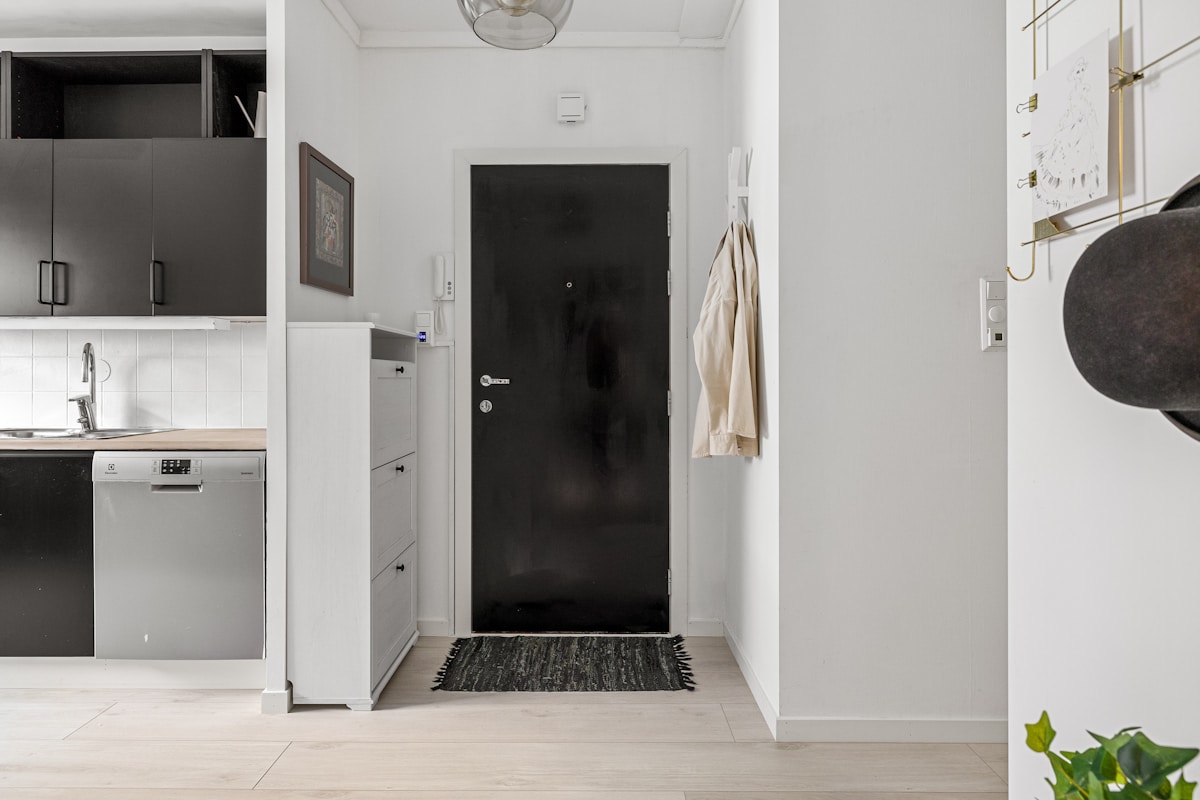
The space above your door frame goes unnoticed because it sits outside the zone where most people naturally look. Eyes scan walls at shoulder to eye level, which means the 12 to 24 inches between the top of a door frame and the ceiling stays empty even in the most creatively organized apartment.
A standard interior door frame in a US apartment tops out at 80 to 84 inches. Standard ceiling height runs 96 inches. That gap above every single door in your unit adds up fast, especially when you count bedroom doors, bathroom doors, closet doors, and the pantry door in your kitchen. In a two-bedroom apartment you can easily have six or more doors, which gives you six hidden storage zones you are currently ignoring.
Three things make above-door storage particularly useful for renters:
- No floor footprint. Every hook, shelf, or organizer you install above a door takes zero floor space, which is the scarcest resource in a small apartment.
- Low visual noise. Items stored above eye level stay out of sight, which keeps rooms feeling open even when they are fully loaded with stuff.
- Renter-friendly installation. Command strips, over-door hardware, and tension rod systems all work without drilling a single hole, so your security deposit stays safe.
The 15 hacks below start at the front door and move room by room through the apartment. Most cost under $35 and take less than 30 minutes to put up.
Command Hook Bars and Peg Rails Above the Front Door
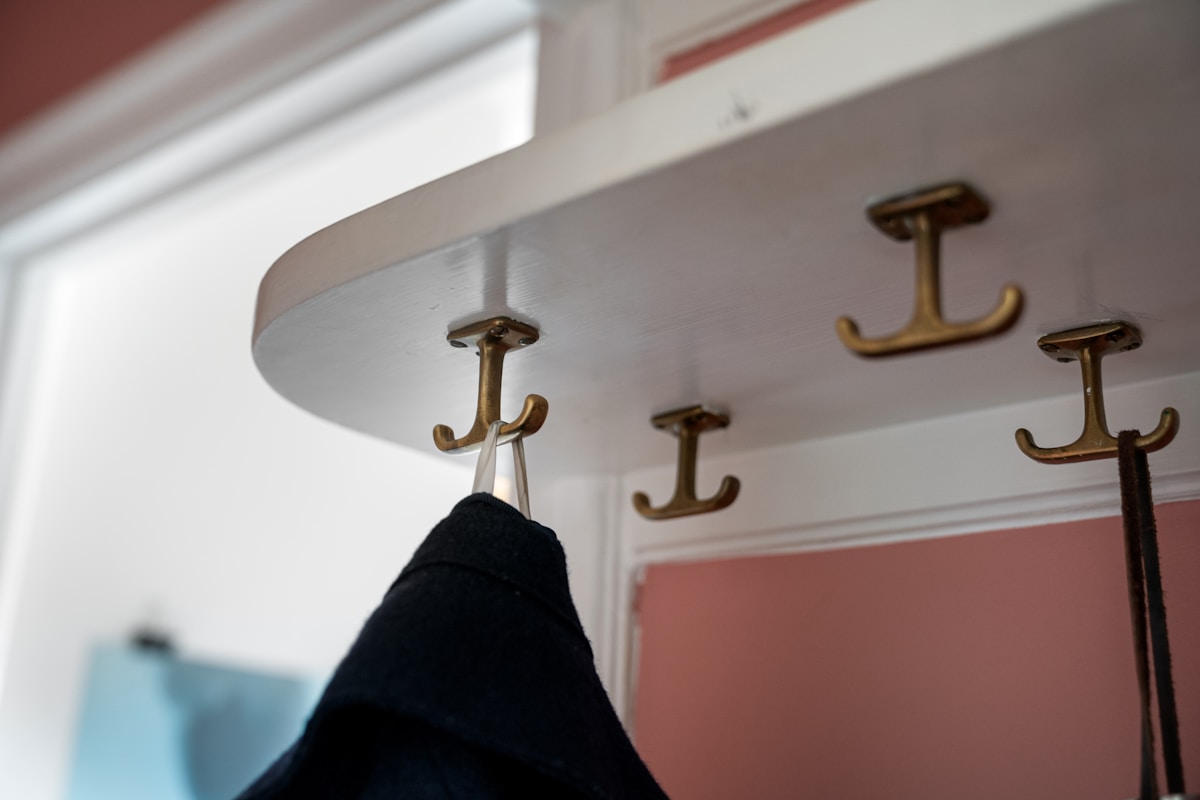
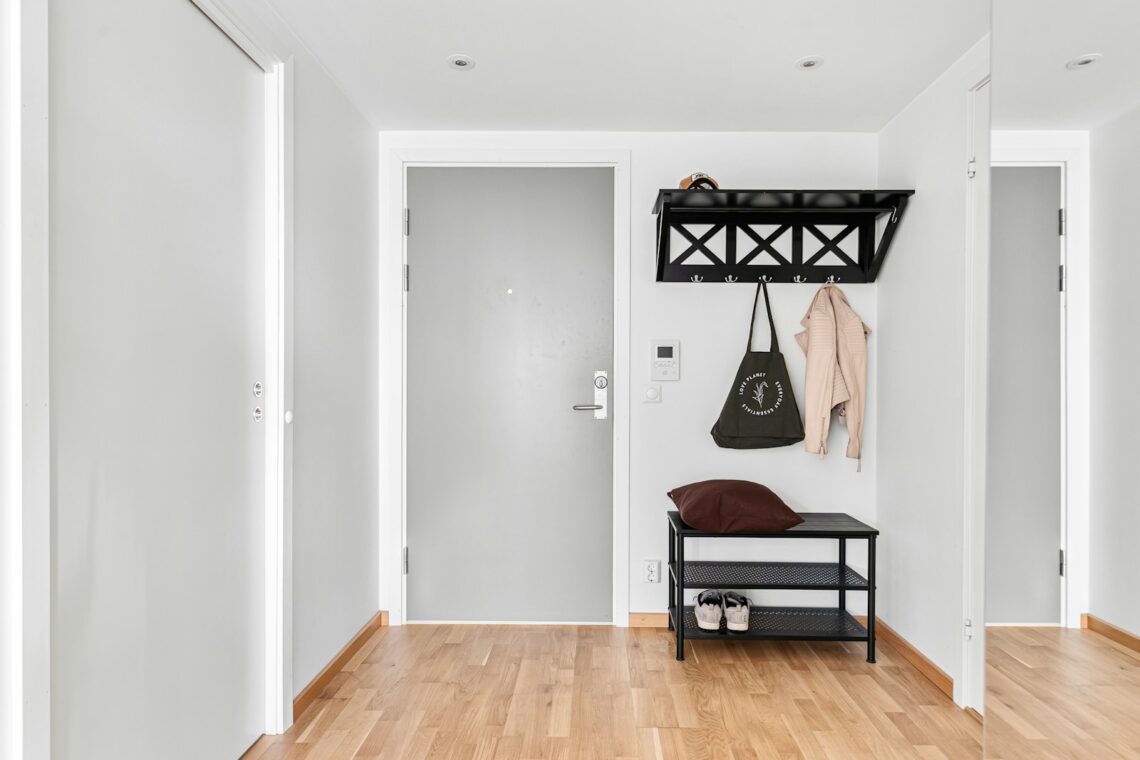
Your front door is the most obvious place to start. The wall directly above the door frame is usually blank, and in a small apartment entryway, blank wall is wasted potential. A command hook bar or Shaker-style peg rail mounts to that strip using heavy-duty Command strips rated for 7 to 16 pounds per strip. No drilling, no wall damage, and no landlord conversation required.
What you can hang from a peg rail above the front door:
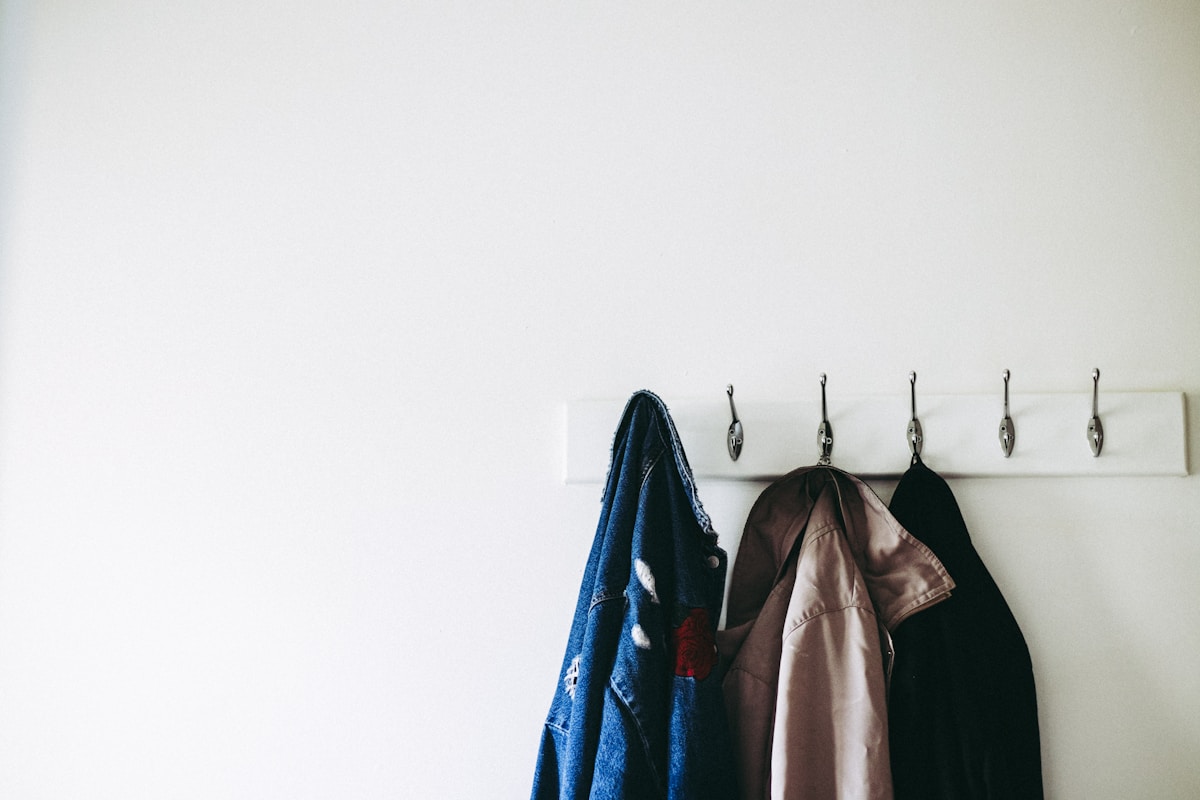
- Coats and jackets. A 24-inch rail holds three to four jackets and clears your entryway closet for the pieces that actually need hanging.
- Bags and backpacks. A canvas tote, gym bag, or work bag hung above the door is the first thing you grab on the way out and the first thing you drop when you come in.
- Umbrellas and dog leashes. These are items you always need in a rush. Storing them at the door removes the morning scramble.
- Hats and scarves. A few hooks at this height keep seasonal accessories out of your closet entirely during off-season months.
Product to know: The IKEA SKADIS peg board (26 by 20 inches, $15) cuts to fit above most door frames and accepts shelves, hooks, and baskets as add-ons. The Umbra Trigg brass wall hook ($25 for a set of three) is a sleeker option if aesthetics matter in your entryway.
One practical note: check the swing path of your door before mounting anything. If the door swings open against the adjacent wall, make sure the mounted hardware clears the wall surface when the door is fully open.
Over-Door Pocket Organizers: The No-Drill Small Apartment Storage Hack
Over-door pocket organizers hook directly onto the top edge of a door and hang down the back surface. No hardware, no drilling, no marks. Most are 64 to 72 inches tall and hold themselves in place with metal hooks that grip the door from both sides. When the door is closed, all the storage disappears from view.
The most useful types for small apartment renters:
- Clear-pocket shoe organizers ($10 to $18): Each pocket holds a pair of flats, sneakers, or sandals. A standard 24-pocket organizer stores more shoes than a typical apartment closet floor with shelving, and the clear pockets mean you never dig around looking for a match.
- Canvas multi-pocket organizers ($15 to $28): Larger pockets work for cleaning supplies, extra toilet paper rolls, craft supplies, or loose charging cables. One of these on the inside of a linen closet door effectively doubles the closet’s capacity without adding a single piece of furniture.
- Metal wire basket organizers ($22 to $38): Sturdier than canvas and see-through at a glance. Ideal on bathroom doors for toiletries, hair tools, and first-aid supplies. The wire construction also lets air circulate, which matters if you store damp items.
Before you buy: measure the gap between your door and the frame. Most over-door hooks need at least 2.5 centimeters of clearance so the door can close fully with the organizer in place. Thicker doors and tighter frames sometimes need an over-door hook extender, which runs about $6 on Amazon.
Combination move: on a closet door, install an over-door shoe organizer for footwear at the lower half and add a separate hook strip above it for bags and belts. You use both zones without touching a wall.
Floating Shelves Above Doorways: Small Apartment Storage Hacks Above the Door
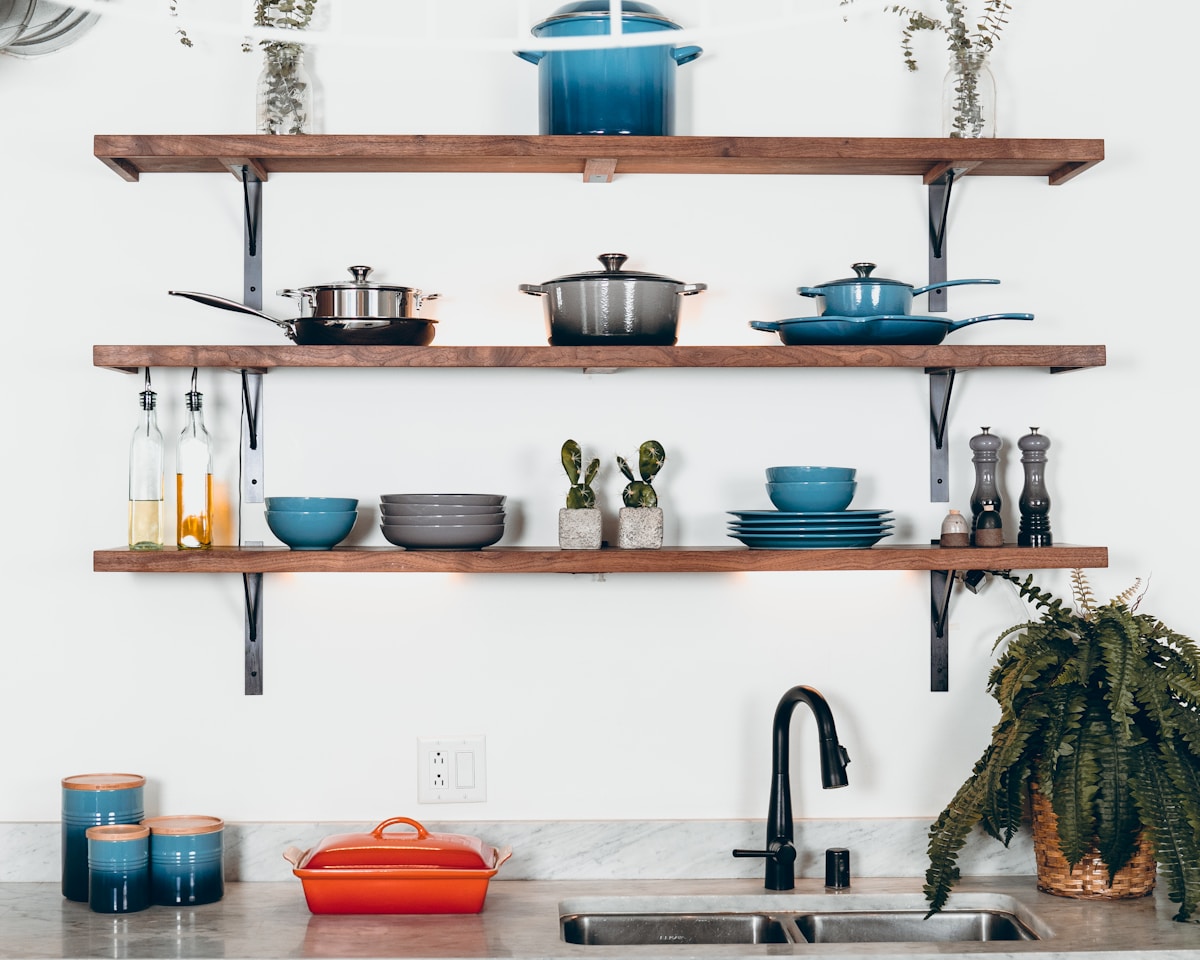
A floating shelf mounted 4 to 6 inches above the top of a door frame adds usable square footage in any room. Done right, it looks intentional, like a built-in architectural ledge rather than a storage fix. Done wrong, it looks like a random shelf hung too high. The difference is choosing the right items to put on it.
What works on a floating shelf above a door:
- Books you reference occasionally. Cookbooks above the kitchen doorway, novels above the bedroom door. Still accessible on a step stool, but out of the way day to day.
- Matching wicker baskets or lidded bins. A row of identical baskets above a door looks decorative and hides anything inside. Extra linens, off-season accessories, gift wrap supplies.
- Trailing plants. A pothos, string of pearls, or devil’s ivy in a simple pot above a doorway sends vines cascading downward and adds visual height to a room without taking any floor space.
- A small collection of objects. Three or four framed prints leaning against the wall, a row of small ceramics, or a group of candles make the above-door zone feel curated rather than cluttered.
Mounting options for renters:
- Command Large Picture Ledge ($24 to $32, holds up to 5 lbs): Best for lightweight items like a small plant or a few slim paperbacks.
- Tension pole shelving system: Two floor-to-ceiling tension poles from IKEA or Yamazaki accept shelf brackets at any height, including just above a door. Holds 20 to 40 pounds with no wall contact at all.
- Standard floating shelf with wall anchors: Holds heavier loads but requires drilling two holes per bracket. Acceptable in most rentals where you are willing to patch on move-out.
Kitchen Small Apartment Storage Hacks Above the Door
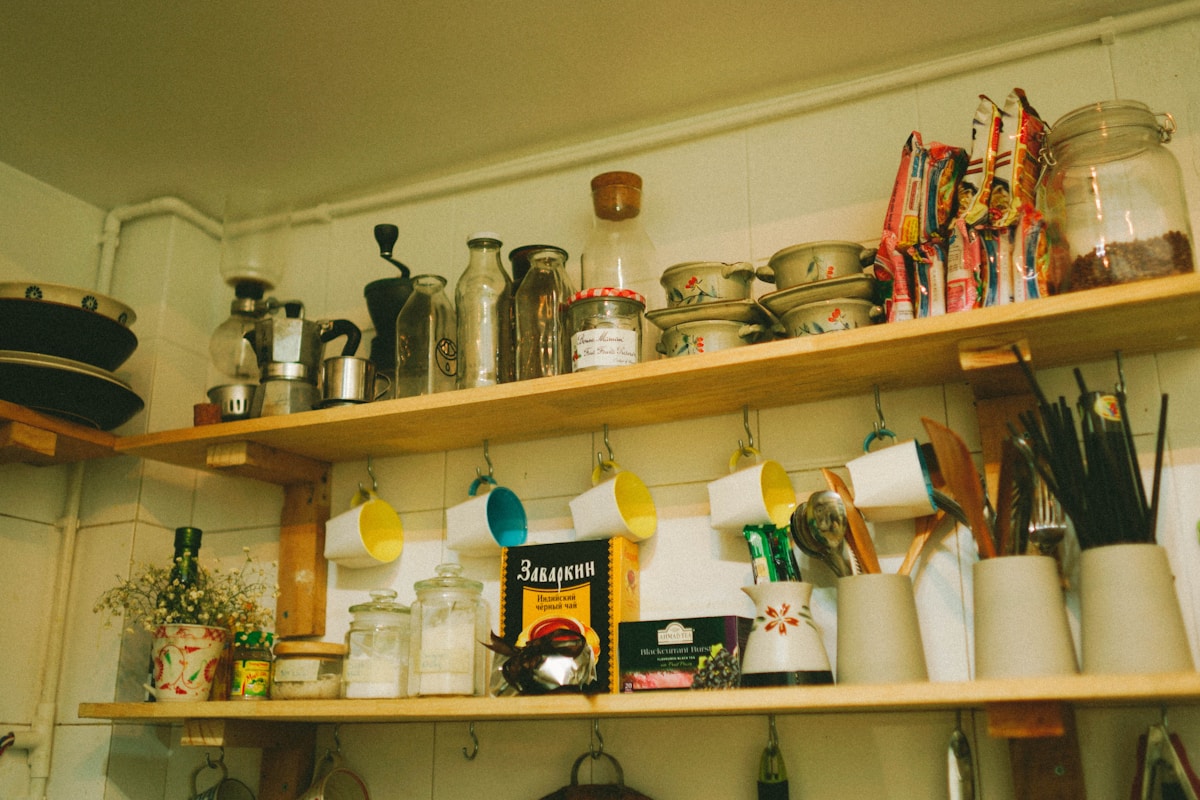
The kitchen has more above-door potential than any other room in the apartment. Between the pantry door, the cabinet soffits, and the main kitchen entryway, a small kitchen can pick up four or five new storage zones without touching an existing fixture.
Three specific zones to target:
- Above the main kitchen doorway. A floating shelf or a pair of tension pole brackets here holds items you use less than once a week: a large serving bowl, a stock pot, a stand mixer you only need on weekends. Moving these out of cabinets frees the cabinets for everyday items at reachable heights.
- Above the refrigerator and cabinet gap. The strip of wall between the top of your refrigerator and the bottom of the cabinet above is a classic dead zone. A small shelf or a wicker basket on this strip holds cookbooks, a bread box, or a collection of dry goods in glass jars.
- Inside the pantry door. An over-door spice rack on the back of the pantry door installs in about 15 minutes with the included hardware. Models from Spectrum Diversified and SimpleHouseware hold 20 to 32 spice jars per door and cost $18 to $28. Moving spices to the door frees up an entire pantry shelf for larger items.
Budget breakdown for a kitchen door storage upgrade: over-door spice rack ($18 to $28), tension rod above the doorway ($8 to $14), and a Command-strip shelf for the fridge gap ($24 to $35). Total cost: $50 to $77 for three separate storage wins.
Living Room Door Space for Shelves and Display
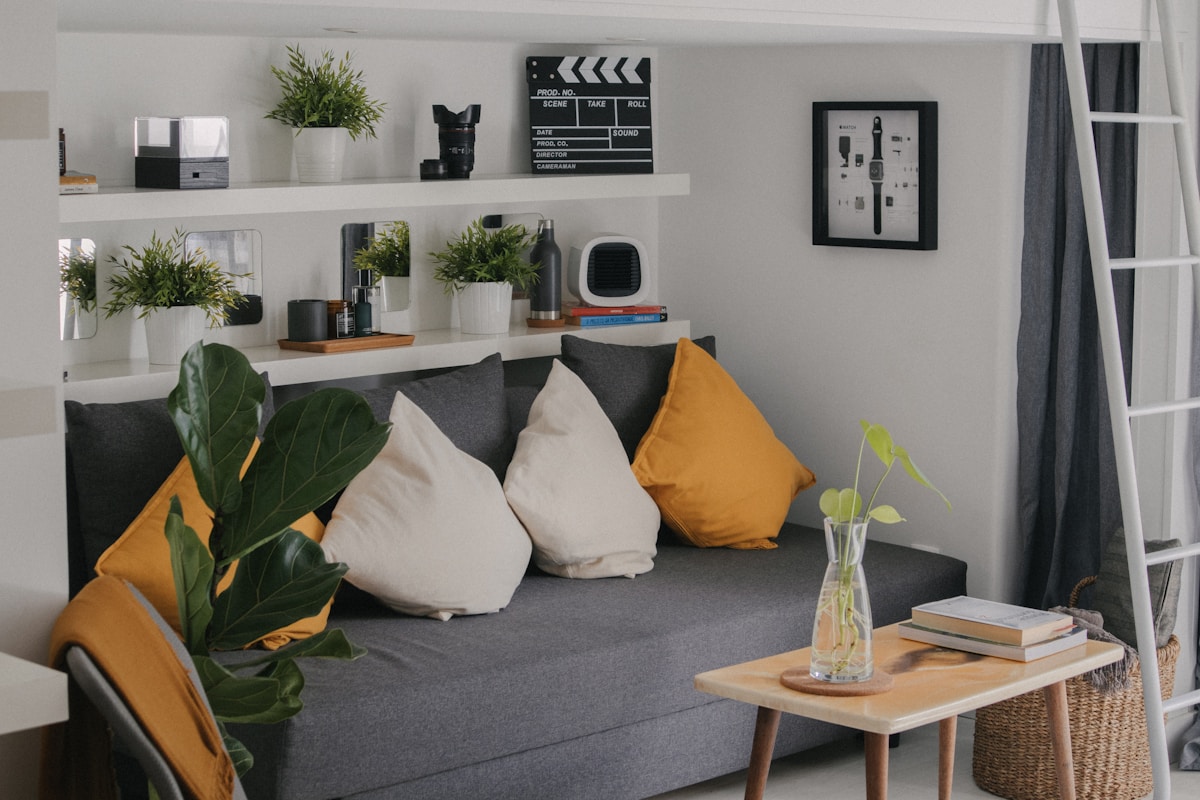
Living room doors are often the most visible doors in the apartment, which makes some renters hesitant to add storage there. But above-door shelves in a living room are a design opportunity when the items are chosen carefully.
What works well above a living room door:
- A gallery-style picture ledge. A floating ledge 30 to 36 inches wide can hold framed prints leaning against the wall behind it. The top tier of an otherwise floor-level gallery wall, placed where no one usually thinks to hang art.
- Books arranged by spine color. A small grouping of books above a doorway arranged by color reads as deliberate decor rather than overflow storage.
- Trailing plants in wall-mounted planters. A pothos or string of hearts above the living room door adds texture and natural color without competing with furniture or rugs below.
- Matching lidded boxes or baskets. A set of three identical lidded baskets above the door stores remote controls, spare batteries, board game pieces, or charging cables while disappearing visually into the upper wall.
The rule in a living room: keep it minimal and intentional. Three to five items maximum. If you use baskets, buy an identical set. If you use books, face the spines in one consistent direction. The goal is curated, not crammed.
Bedroom and Closet Door Storage Solutions
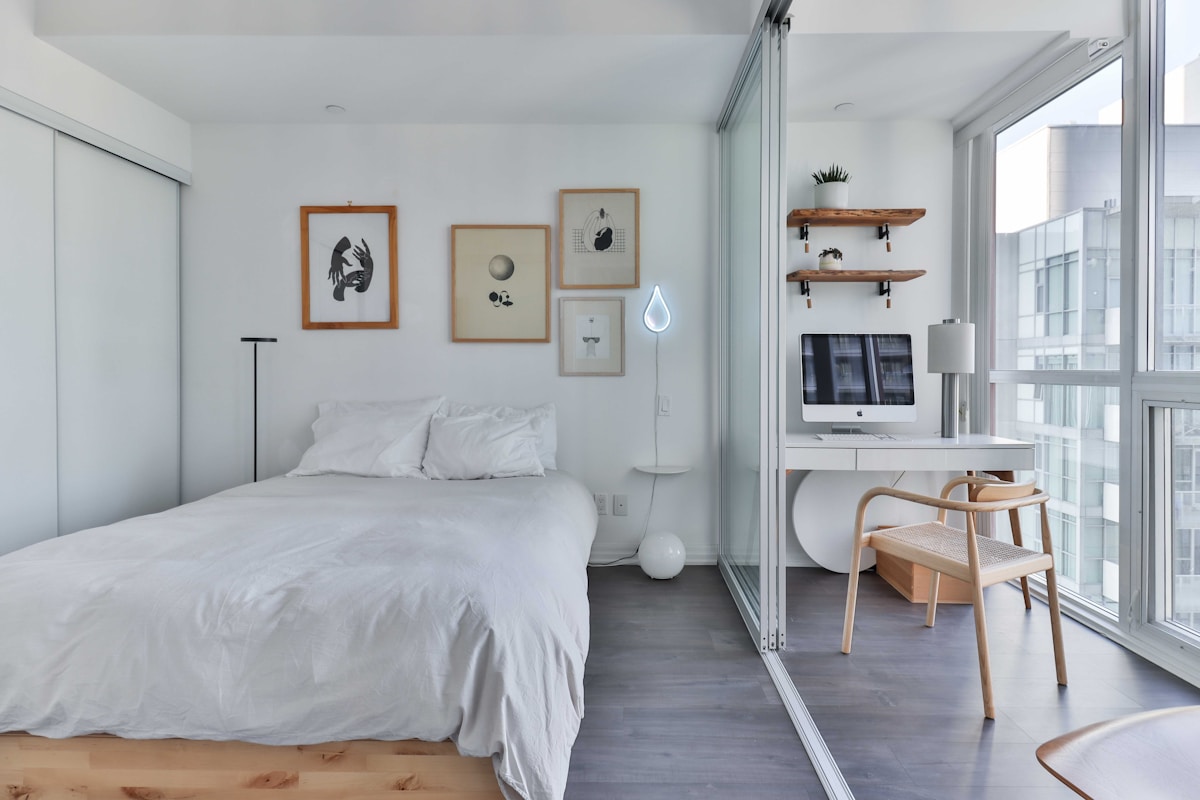
The bedroom has two above-door zones worth using: the wall above the door frame and the back of the door itself. Using both doubles what you can do in a bedroom that has no extra wall space.
Above the bedroom door frame:
A small floating shelf above the bedroom door is ideal for books you read before sleep but do not want cluttering your nightstand. It also works for a small Bluetooth speaker, a digital clock, a phone stand, or a basket of items you reach for in the morning: earbuds, keys, a hair tie.
On the back of the bedroom door:
- A full-length mirror with storage pockets. Several brands make a door-hung mirror that opens to reveal shelves for jewelry, accessories, or small toiletries. The Umbra Trigg and SONGMICS versions cost $35 to $80 and turn a plain door into a combined vanity and storage station.
- A fabric jewelry organizer. Flat felt organizers that hang on the door interior hold necklaces, earrings, and rings without taking dresser space.
- A pocket organizer for bedside items. The same over-door organizer used for shoes in the entryway works for charging cables, headphones, a sleep mask, a book, and a notepad in a bedroom.
Above the closet door frame: the zone above a closet door is particularly good for seasonal storage. Extra hangers you only need at laundry time, holiday gift wrap, a flat portfolio case, or a spare set of curtains you are not using right now.
Bathroom Door Storage in Compact Rental Bathrooms
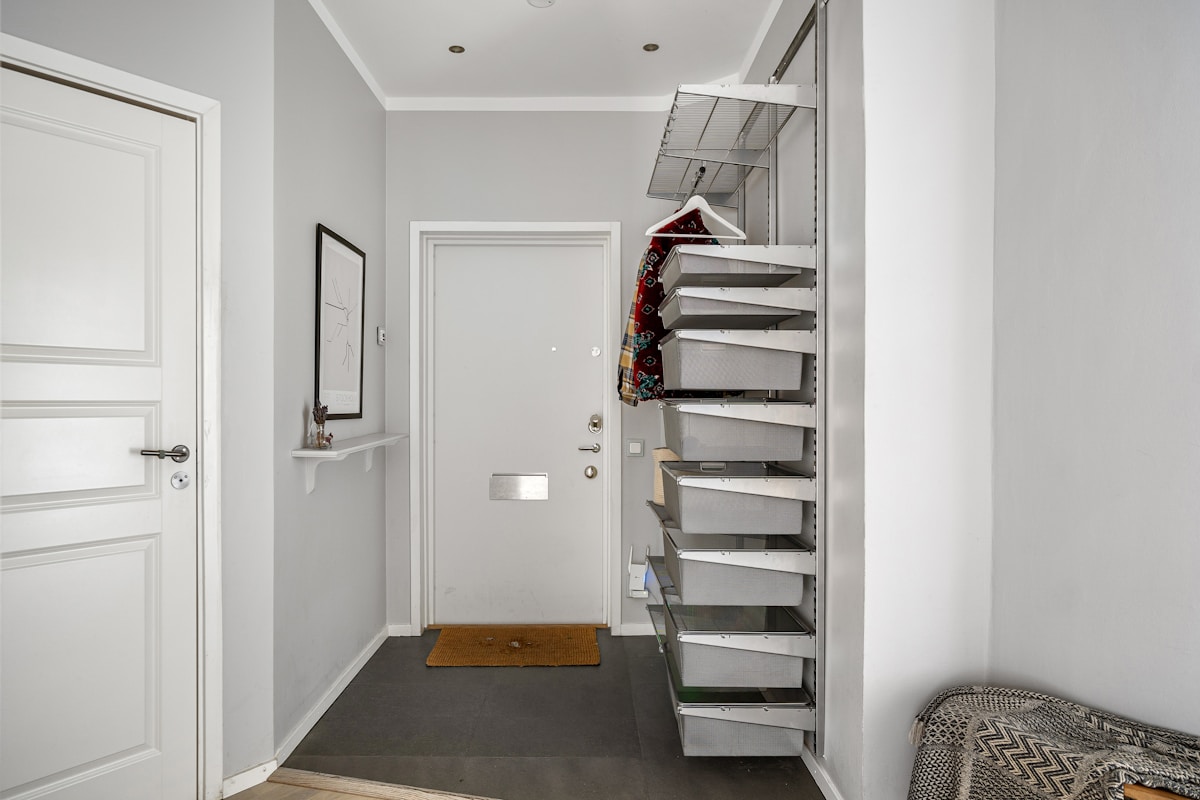
The bathroom is where above-door and over-door storage makes the most practical difference. Rental bathrooms rarely have enough cabinet space, and there is usually no room for freestanding furniture. The door is one of the few surfaces you can add to without touching a wall.
On the back of the bathroom door:
- A clear-pocket organizer for toiletries. A 24-pocket over-door organizer on the inside of the bathroom door holds shampoo, conditioner, face wash, razors, cotton rounds, hair tools, and more. This frees up every inch of counter and cabinet space for items that cannot be pocketed.
- Towel hooks. Two or three over-door hooks hold hand towels and bath towels when the existing towel bar is full or poorly positioned. A basic three-hook chrome set runs $10 to $15 and needs zero hardware.
- A thin magnetic strip. A small magnetic bar on the back of the bathroom door catches bobby pins, nail clippers, tweezers, and other metal items that otherwise disappear into bathroom drawers.
Above the bathroom door frame:
The wall above the bathroom door works well for a narrow floating shelf holding spare toilet paper rolls, backup soap, travel-size toiletries, or a wicker basket of hair accessories. Bathrooms with higher ceilings have enough clearance here for a small cabinet that stores several months of backup supplies without being visible from the doorway.
One finish note: if your bathroom gets humid, choose shelves and organizers made from moisture-resistant materials. Wire, acrylic, and sealed wood hold up better over time than unfinished MDF or raw particle board.
Small Apartment Storage Hacks Above the Door: Room-by-Room Quick Reference
A quick summary of which storage method works best in each room:
- Front door: Peg rail or command hook bar for coats, bags, and keys. Over-door shoe organizer on the back of the door for shoes and accessories.
- Kitchen: Floating shelf above the main doorway for bulky pots and bowls. Over-door spice rack on the pantry door. Small basket on the refrigerator-cabinet gap.
- Living room: Picture ledge or wicker baskets above the door. Trailing plants in wall-mounted planters for a decorative touch.
- Bedroom: Small floating shelf above the door frame for books and a phone. Over-door mirror with storage or jewelry organizer on the back of the bedroom door.
- Closet: Over-door pocket organizer for shoes or accessories. Shelf above the frame for seasonal and backup items.
- Bathroom: Over-door pocket organizer for toiletries and hair tools. Towel hooks on the door back. Narrow shelf above the frame for backup supplies.
Total installation time across all rooms: most renters complete the full set of above-door upgrades in a single Saturday afternoon. Total cost, if you use Command-strip mounting where possible: $100 to $180 for the entire apartment.
The Takeaway
Every door in your apartment is a two-sided storage opportunity you are probably walking past without a glance. The space above the frame and the back of the door together add usable area in a small apartment without touching the floor, purchasing new furniture, or drilling a single hole in most cases. Start with the door you pass through most often. Pick one hack from the list. Install it this weekend. The results show up immediately, the cost is low, and the space you reclaim is yours for as long as you live there.
Related reading: