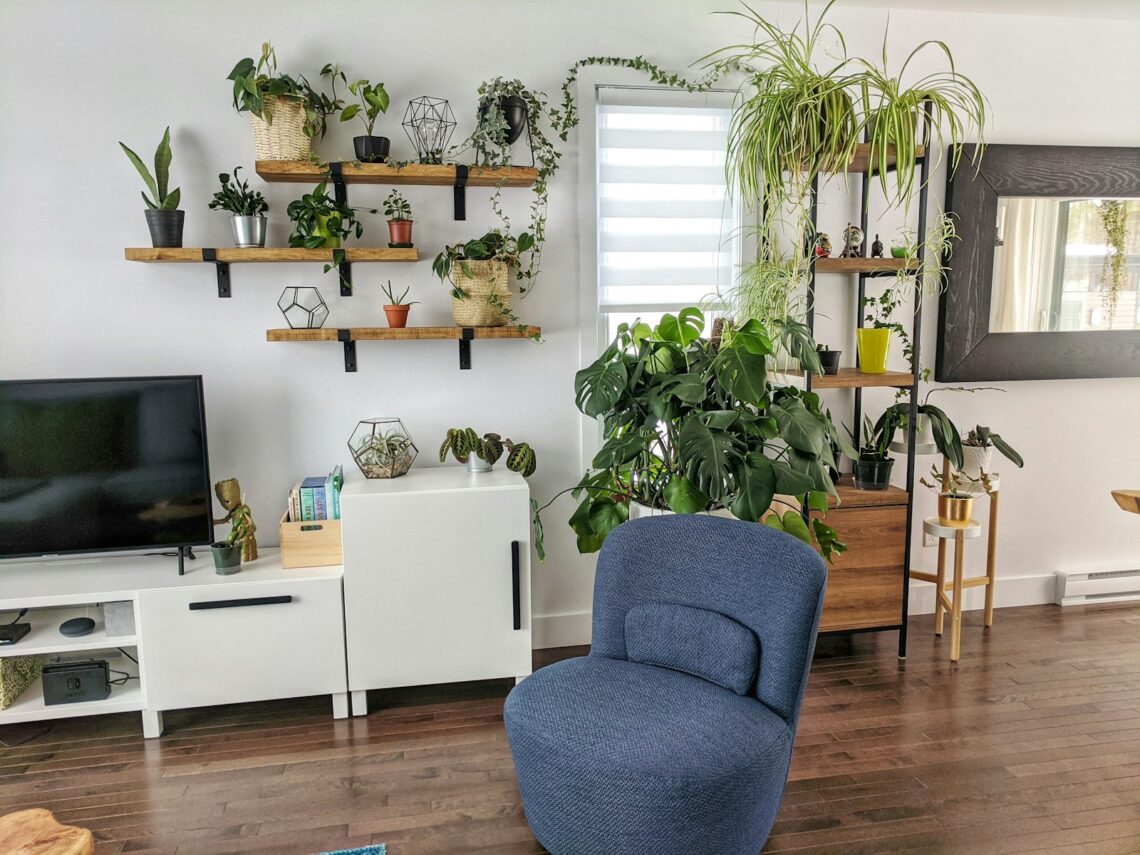
Your apartment catches weak morning light through one north-facing window. You tried a succulent and somehow killed it. Almost every plant care guide assumes you have a bright south-facing window or a fire escape garden. Most renters are working with rooms that face a brick wall, a light well, or get maybe two hours of indirect sun on a good day.
The good news: these 15 indoor plants for small apartment low light conditions were built for exactly those rooms. They thrive in dim and indirect light, tolerate irregular watering, and stay compact enough for shelves and tight corners. Each one costs $5 to $40 at most garden centers, nurseries, or big-box stores. You do not need a green thumb. You need the right plant list.

Why Low-Light Indoor Plants Are Perfect for Small Apartments
“Low light” in plant terms means roughly 25 to 75 foot-candles of brightness. That is about the level of a room you can read comfortably in without turning on the overhead light. Most apartments, even north-facing ones, deliver at least that much ambient light for a significant portion of the day. The key is matching the plant to your actual conditions rather than the conditions you wish you had.
For apartment renters specifically, low-light plants solve several problems at once:
- No outdoor space needed for acclimatization or watering
- Most handle the irregular watering that comes with busy schedules
- They tolerate the temperature swings common in older rental buildings
- Many are non-toxic to pets and children (noted below for each plant)
- They stay manageable in small pots, ideal for shelves, desks, and windowsills
You do not need a grow light for most of the plants on this list. A room bright enough to read in is bright enough for pothos, snake plants, and at least a dozen others covered below.
The Best Trailing Low-Light Plants for Small Apartments
Trailing plants are a renter’s best friend because they add visible life without taking up floor space. A single pot on a high shelf can cascade 4 to 8 feet downward over a year, filling an entire wall without a second pot.

Plant #1: Golden Pothos (Epipremnum aureum)
Pothos is the gold standard for low-light trailing plants. It signals clearly when it needs water by slightly drooping its leaves, and it bounces back fast after watering. Golden pothos has green-and-yellow splashed leaves; marble queen has cream-and-green variegation; neon pothos glows bright chartreuse. All three handle dim light well, though the more variegated cultivars do slightly better with a bit more ambient brightness to keep their pattern vivid.
Price: $5 to $15. Pet note: toxic to cats and dogs.
Plant #2: Heartleaf Philodendron (Philodendron hederaceum)
Often confused with pothos, the heartleaf philodendron trails in the same way but has a more classic heart-shaped leaf and velvety texture. It is even more forgiving than pothos in very low light conditions. One $8 cutting propagated in water can fill a shelf within a year. It is one of the fastest-growing indoor plants available to renters and one of the cheapest to multiply.
Price: $6 to $18. Pet note: toxic to cats and dogs.
Plant #3: Spider Plant (Chlorophytum comosum)
Spider plants produce hanging “spiderettes” that dangle from arching stems, making them ideal for hanging planters or high shelves. They handle near-zero natural light better than almost any plant on this list, including windowless bathrooms and interior hallways. They are also fully non-toxic, which makes them a top pick for homes with cats, dogs, or small children.
Price: $5 to $12. Pet note: non-toxic.
Near-Indestructible Indoor Plants for Apartments With Low Light
These three plants thrive on neglect. They store water in their leaves or underground rhizomes, tolerate extreme low light, and handle weeks without watering. If you have ever killed every plant you brought home, start here.

Plant #4: Snake Plant (Dracaena trifasciata, formerly Sansevieria)
The snake plant is the most recommended houseplant in the world for a reason. It handles deep shade, indirect bright light, drought, and overwatering better than almost anything else. The upright leaves make it ideal for narrow floor spaces between furniture. It also filters air and tolerates the low humidity of heated apartments in winter.
Price: $10 to $30 depending on size. Pet note: toxic to cats and dogs.
Plant #5: ZZ Plant (Zamioculcas zamiifolia)
ZZ plants store water in thick underground rhizomes, which means they survive weeks without attention. In low light, growth slows but the plant stays healthy and glossy. The dark, waxy leaves look expensive and pair well with minimalist or Japandi apartment aesthetics. New growth emerges bright green and deepens as it matures.
Price: $12 to $35. Pet note: toxic if ingested.
Plant #6: Cast Iron Plant (Aspidistra elatior)
The cast iron plant lives up to its name. It tolerates temperature swings, dry soil, low humidity, and genuinely dark hallway corners. Growth is slow, which is useful in small apartments where a plant taking over is a real concern. The long, arching dark green leaves add sculptural drama without demanding care.
Price: $18 to $40. Pet note: non-toxic to cats and dogs.
Low-Light Bedroom Plants for Renters
Bedrooms in rental apartments often get the least natural light in the unit, especially if the window faces an alley or another building. These three picks handle bedroom conditions without complaint and add something beyond green leaves: blooms, fronds, and architectural form.

Plant #7: Peace Lily (Spathiphyllum)
Peace lily is one of the few plants that blooms in genuinely low light. White flower spathes appear in spring and sometimes again in fall. In between, the glossy dark green leaves look polished on a dresser or nightstand. Peace lily droops clearly when thirsty, making it easy to tell at a glance when to water.
Price: $10 to $22. Pet note: toxic to cats and dogs.
Plant #8: Parlor Palm (Chamaedorea elegans)
Parlor palms were used in Victorian parlors specifically because they handled low-light interiors without complaining. They grow slowly to 2 to 4 feet indoors, making them ideal next to a dresser or in a bedroom corner. They prefer consistent moisture but handle infrequent watering better than most palms. The arching fronds add movement to a still room.
Price: $12 to $28. Pet note: non-toxic.
Plant #9: Dracaena (Dracaena fragrans ‘Janet Craig’)
This dracaena cultivar has bold, strap-like dark green leaves that fan out from a central stem. It grows upright, making it ideal for tight corners where floor space is limited. Dracaena tolerates low light and dry soil, and occasional leaf-wiping with a damp cloth is all the extra care it needs to stay sharp-looking.
Price: $15 to $45 depending on size. Pet note: toxic to cats and dogs.
Bathroom and Kitchen Plants That Love Low Light and Humidity
Small apartment bathrooms are underused plant real estate. The consistent humidity and moderate temperatures created by daily showers are ideal for certain low-light species.

Plant #10: Bird’s Nest Fern (Asplenium nidus)
The bird’s nest fern has wide, flat fronds that look more like a tropical foliage plant than a typical fern. It loves humidity and handles low light far better than Boston ferns or maidenhair. Avoid misting directly into the center rosette, as standing water there causes rot. On a bathroom shelf or tank top, it thrives without any supplemental light.
Price: $10 to $28. Pet note: non-toxic.
Plant #11: Nerve Plant (Fittonia albivenis)
Nerve plants have striking veined leaves in green, white, and red or pink patterns. They stay compact at 4 to 6 inches tall, making them ideal for bathroom counters or small kitchen shelves. They love humidity and low to medium indirect light. One quirk worth knowing: they dramatically collapse when thirsty, then perk back up within an hour of watering.
Price: $5 to $12. Pet note: non-toxic.
Plant #12: Chinese Evergreen (Aglaonema)
Chinese evergreens come in dozens of cultivars, from deep forest green to silver-patterned to nearly red. The darker-leafed varieties handle the lowest light conditions of any decorative plant on this list. They are slow-growing and long-lived, which makes them a worthwhile investment for a bathroom shelf, kitchen counter, or any interior corner that gets almost no direct light.
Price: $10 to $32. Pet note: toxic if ingested.
Statement Low-Light Indoor Plants for Small Apartments
Sometimes one large plant that anchors a room is more effective than a dozen small ones. These three picks make a visual statement in tight spaces without overwhelming them, and all three tolerate the low-light apartment conditions most renters deal with.

Plant #13: Monstera Deliciosa
Monstera is popular for a reason. Mature leaves develop the iconic splits and holes that look sculptural against a plain rental wall. Monstera tolerates low indirect light but grows faster with more ambient brightness. In a small apartment, one floor pot with a mature monstera can carry the visual weight of an entire plant collection. It grows upward, so it does not take over the room laterally.
Price: $20 to $65 depending on size. Pet note: toxic to cats and dogs.
Plant #14: Calathea (Calathea spp.)
Calatheas have some of the most dramatic foliage of any indoor plant: striped, spotted, and often with deep purple undersides. They actually prefer low to medium indirect light over direct sun. They fold their leaves upward at night (the prayer plant movement), which means even a simple desktop plant becomes dynamic. They require consistently moist soil, making them slightly more demanding than others here, but the payoff in visual interest is worth it.
Price: $15 to $38. Pet note: non-toxic.
Plant #15: Prayer Plant (Maranta leuconeura)
Prayer plants are closely related to calatheas and share the same dramatic patterned leaves and nighttime folding behavior. They stay compact under 12 inches, tolerate genuinely low light, and are completely non-toxic, which makes them a smart pick for households with cats or dogs. The red-veined varieties (Maranta leuconeura var. erythroneura) are the most visually striking and widely available at garden centers.
Price: $8 to $18. Pet note: non-toxic.
Where to Place Indoor Plants in a Low-Light Small Apartment
Placement matters as much as plant selection when you have limited floor space. The goal is to add greenery without creating clutter or blocking the room’s natural light source, however dim it is.

- Ladder shelves are the most space-efficient plant display method in a small apartment. Place trailing plants on the upper shelves so they cascade down over lower shelves holding upright or compact plants.
- Floating wall shelves keep plants completely off the floor and work well above dressers, desks, and media units. Keep pots at least 6 inches above radiators to avoid scorching roots.
- Floor corners are ideal for statement plants like monstera, dracaena, or large snake plants. A single floor plant in a corner looks intentional rather than cluttered.
- Windowsills in even the darkest apartments still get more light than interior walls. Line them with compact species like nerve plant, spider plant, or small ZZ plants in 4-inch pots.
- Bathroom counters and tank tops are underused. Bird’s nest fern, nerve plant, or a small pothos on the toilet tank adds life to a room that typically has zero decor.
For styling low-light plants into a minimal, nature-forward aesthetic, the Japandi small apartment guide covers exactly how to layer natural textures and plants with clean-lined furniture in a tight space.
Care Basics for Low-Light Plants in a Renter Apartment
The most common reason houseplants die in apartments is overwatering, not underwatering. In low-light conditions, plants consume water more slowly because photosynthesis is slower, and consistently wet soil causes root rot fast.

The finger test: Push your finger 2 inches into the soil. If it feels damp, wait. If it is dry at that depth, water thoroughly until water drains from the bottom of the pot. Empty saucers after 30 minutes to prevent sitting water.
Drainage is non-negotiable: If your pot has no drainage hole, repot before placing it. Standing water at the bottom of a pot kills more plants than neglect does. Most pots sold as “decorative” have no drainage, which means you need to either add a drainage layer or use a nursery pot inside a decorative cachepot.
Light boosting: If your apartment has genuinely zero natural light (a rare situation, but it happens in basement units or fully interior rooms), a simple $20 LED grow light on a 6-hour timer can bridge the gap. Even 6 hours of supplemental light keeps snake plants, pothos, and ZZ plants healthy.
Seasonal adjustments: Water less in winter when both light levels and plant metabolism drop. Most low-light plants need water every 2 to 3 weeks in winter versus weekly in summer. In heated apartments, low humidity in winter can stress humidity-loving plants like calathea and bird’s nest fern. A small pebble tray with water under the pot solves this without a humidifier.
For building a cozy seasonal setup around your plants, the fall apartment decor guide covers how to layer plants with warm textiles, candles, and earth-toned accessories into a full seasonal look.
The Takeaway
A dark apartment is not a plant-free apartment. The 15 low-light indoor plants on this list were chosen specifically for small apartments with limited natural light, rental restrictions (no outdoor space, no drilling), and real-life maintenance habits that include forgetting to water for two weeks. Start with one or two of the easiest picks: a golden pothos, a snake plant, or a ZZ plant. Once those are thriving, add a peace lily for bloom and a monstera for drama.
The core rule: match the plant to the light you actually have, not the light you wish you had. Every plant on this list was selected because it performs in the dim, north-facing, light-well-adjacent conditions that most small apartment renters actually live in. Pair them with an earth-toned color palette (see the earth-tone apartment color guide) and you have a complete, low-maintenance indoor garden that works around your lease and your schedule.