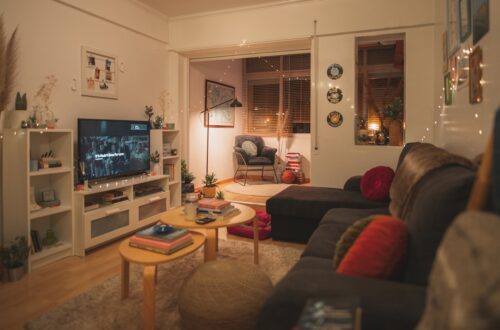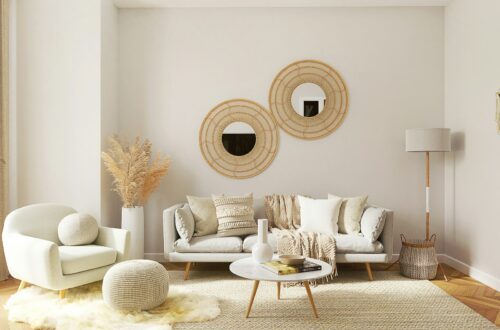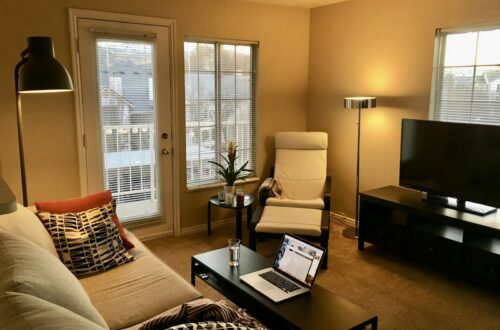
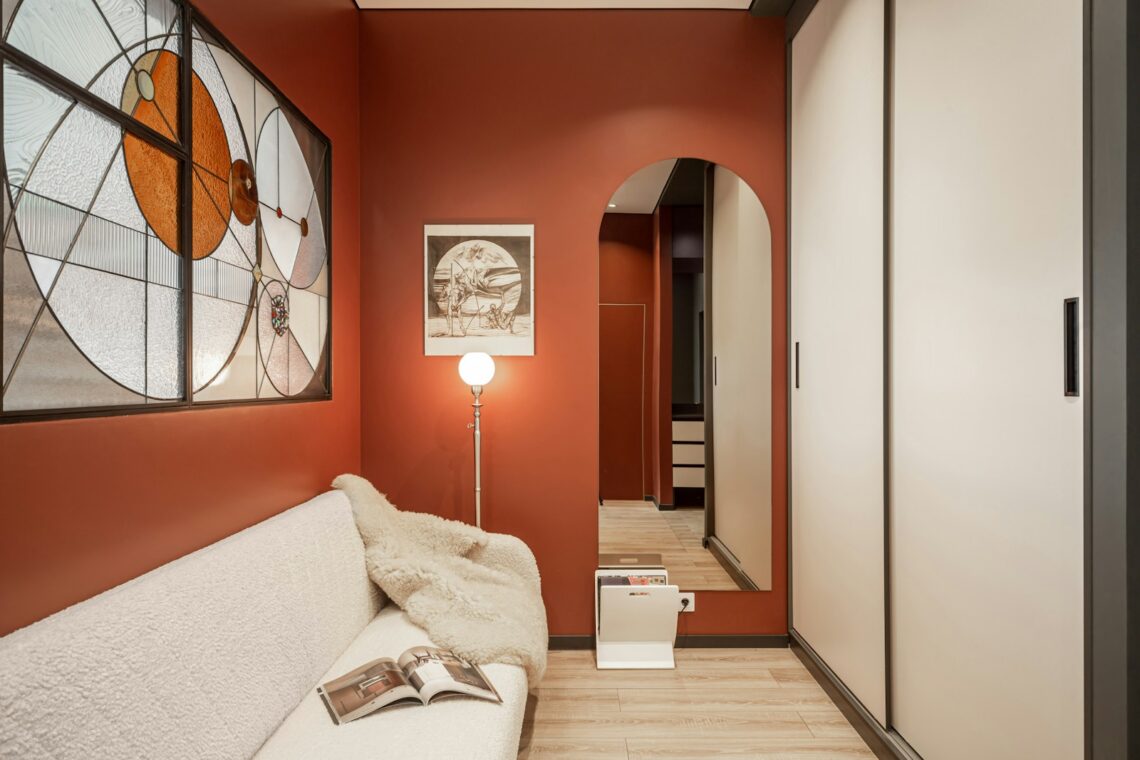
Pick one earth tone and your small apartment already looks more intentional. The style logic is simple: earthy shades like terracotta, warm beige, and sage green mimic the palette of building materials that surround you in any apartment (clay, raw plaster, wood, stone), so they extend your walls instead of competing with them. That is why a single terracotta throw or a sage green linen duvet can transform a room in a way that trendy cool grays never quite manage.
This guide breaks down 11 specific earth tone color palettes sized for a small rental apartment. For each one you will find the exact shades to reach for, what to pair them with, and the budget items (most under $40) that pull the look together without paint or permanent changes.
Why earth tones work in small apartments
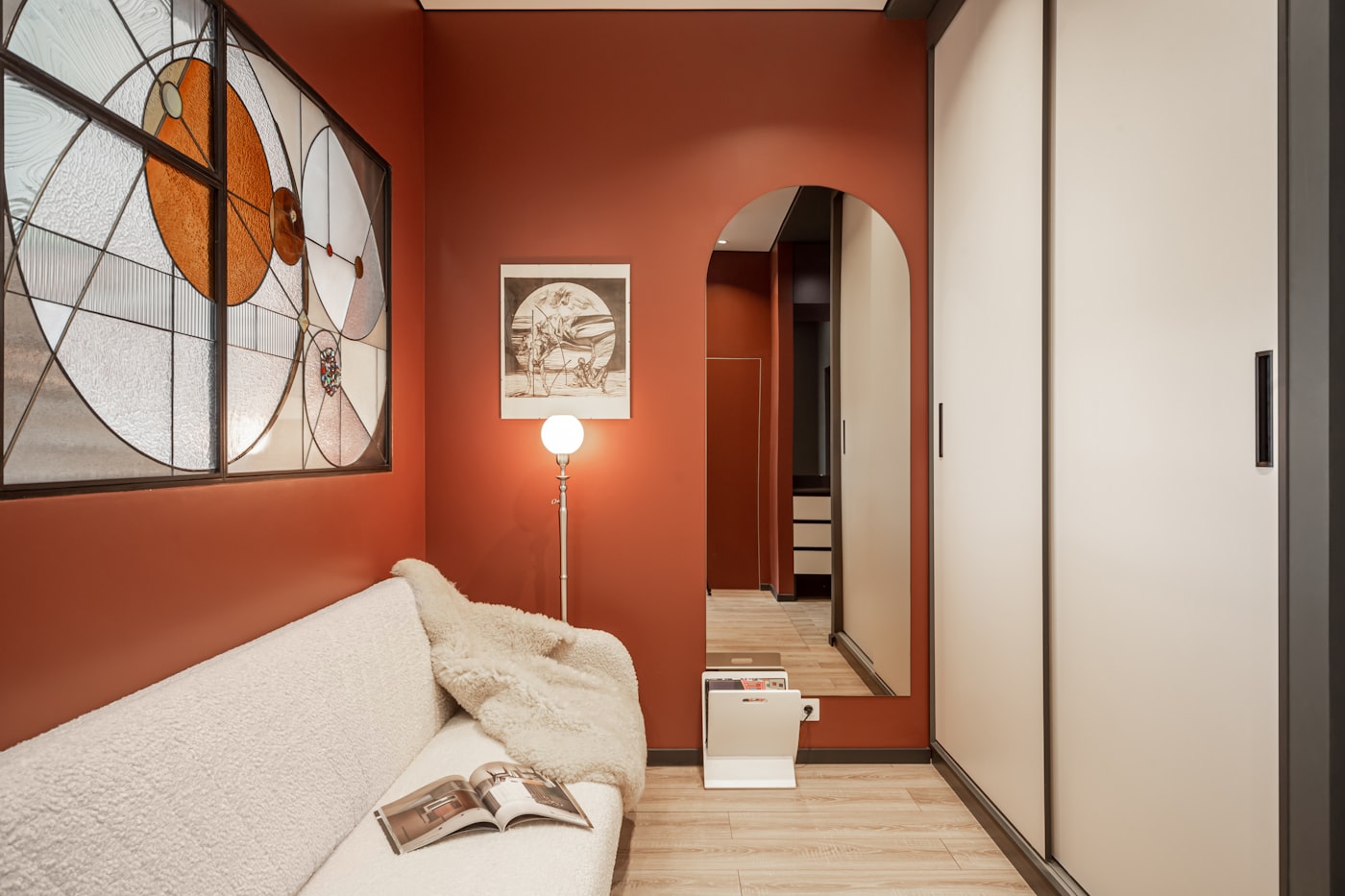
Small rooms present a specific color problem. You need shades that make the space feel warm and finished without closing it in. Cool grays and stark whites read as airy but often feel cold and unfinished. Bright accent colors draw the eye and visually fragment a compact space. Earth tones solve both problems at once.
The practical advantage is that earth tones are inherently low-saturation, which means they do not compete with each other when you mix them. You can layer terracotta, cream, warm brown, and olive in the same room and it still reads as harmonious because all four share the same underlying warmth. That forgiveness makes them ideal for renters who are building a look incrementally, one cushion cover and one textile at a time, rather than all at once.
There is also a built-in compatibility with standard rental finishes. Off-white walls, wood-look vinyl floors, and white trim are common in most apartments. All three of those surfaces work naturally alongside earth tones, while they can look harsh or disconnected with cool-toned or bright palettes. Earth tones do not fight the apartment. They work with what is already there.
- Low saturation means earth tones mix without visual chaos in tight quarters
- Warm temperature makes spaces feel cozy and complete even at small square footage
- Compatible with rental finishes like off-white walls and vinyl wood floors
- Texture-forward styling adds depth without adding visual noise or clutter
- Budget-friendly entry points from a $15 cushion cover to a $40 jute rug
Palettes 1 to 3: Terracotta, clay, and warm rust
Terracotta is the most searched earth tone for apartments right now, and for good reason: it reads as warm, sophisticated, and confident without being difficult to work with. True terracotta sits somewhere between a warm orange-red and a clay red, roughly in the hex range #C66E3B to #E2724A. You do not need to paint to use it. A single terracotta cushion cover reads clearly against an off-white wall and immediately warms the whole room.
Palette 1: Terracotta and cream. Use terracotta in cushion covers, a large throw, or a set of ceramic pots. Pair with cream-colored linen bedding or a cream sofa. Add a natural jute rug to anchor the whole setup. This is the most universally flattering earth tone palette for any small living room or bedroom, and the most forgiving if you are building from scratch with very little.
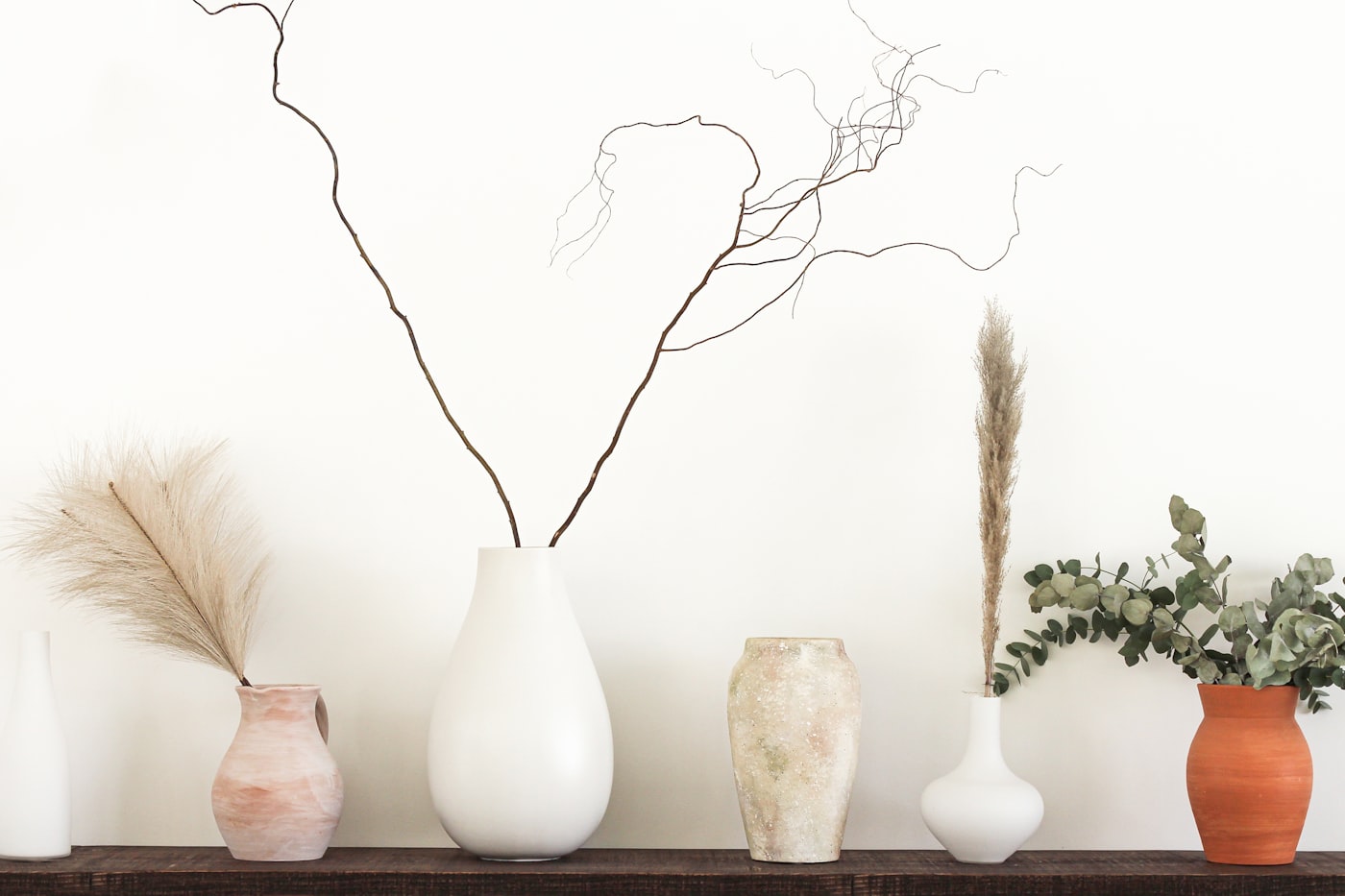
Palette 2: Clay and warm brown. Clay sits darker and cooler than terracotta, closer to the color of unglazed stoneware. Use it in a vase grouping, a lamp base, or a set of clay-finish ceramic dishware on open shelving. Pair with warm chocolate brown accents in leather or walnut wood. The result reads as rich and grounded without feeling heavy in a small space.
Palette 3: Rust and ivory. Rust is the more saturated, orange-forward sibling of terracotta. A single rust-colored velvet cushion against an ivory or off-white sofa reads like an expensive editorial photo. Budget entry: $12 to $18 for a cushion cover from H&M Home or Amazon. Add one rust-toned woven throw for under $35 and the palette is complete.
Budget entry points for terracotta palettes: cushion covers run $8 to $18 each, a set of three terracotta plant pots costs $15 to $25 from Target or IKEA, a woven terracotta throw is $25 to $40, and a terracotta lamp base runs $35 to $55 from Amazon or HomeGoods.
Palettes 4 and 5: Warm beige and soft cream
Beige has a reputation problem. The word itself is shorthand for boring. But warm beige and soft cream, layered with natural textures, are anything but. The trap is treating beige as a single flat color rather than a family of related warmths ranging from barely-there sand to deep biscuit. The richness of a beige palette comes entirely from how many textures you layer together.
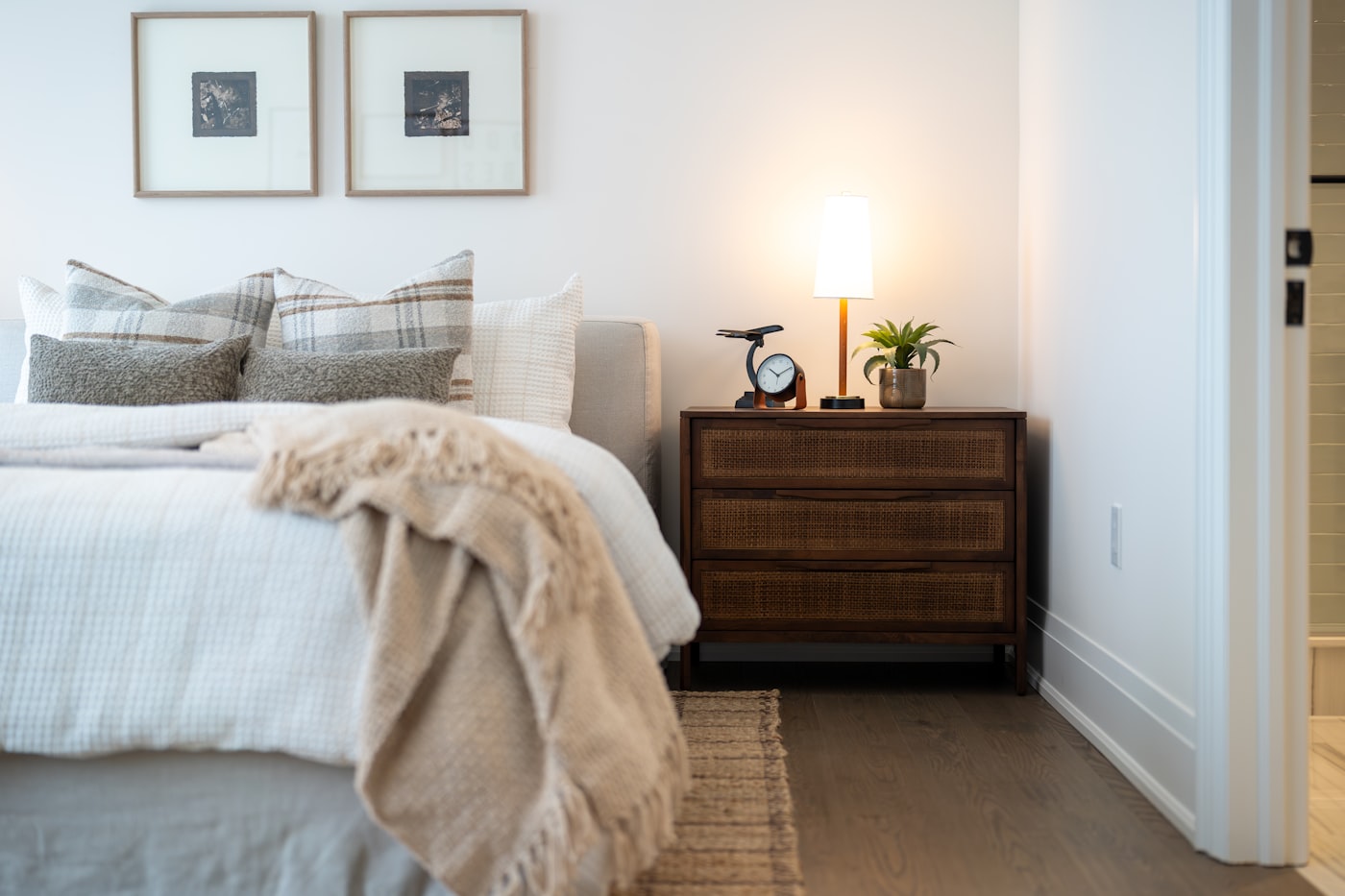
Palette 4: Layered beige. Stack 3 to 4 shades from the same warm-beige family. A sand-colored jute rug, an ivory linen sofa, biscuit-colored cushions, and a caramel knit blanket are four distinct tones that all read as “beige” but build a layered, sophisticated look. The key is varying texture at every level: chunky knit, smooth linen, rough jute, soft brushed cotton. Same color family, completely different hand feel, and that contrast is what makes the room interesting.
Palette 5: Cream and natural linen. Raw linen has a slight yellow-gray warmth that pairs perfectly with pure soft cream. A linen sofa or linen duvet cover alongside cream cotton pillowcases is a complete palette on its own. Add one dried botanical arrangement in a cream ceramic vase and nothing else is needed. This palette reads as calming and intentional, which is exactly the feeling most small apartments are missing.
Making beige palettes feel rich instead of flat: always use 2700K bulbs in every lamp, layer at least three different natural textures, add one darker warm accent like walnut wood or tan leather, and hang artwork in warm-toned frames. A warm beige palette under cold fluorescent light looks institutional. The same palette under warm incandescent-style LED light looks like a boutique hotel room.
For a full breakdown of warm neutrals that work in compact spaces, see our guide to warm neutral color palettes for small apartments, which includes specific product picks at every price point.
Palettes 6 and 7: Sage green and olive
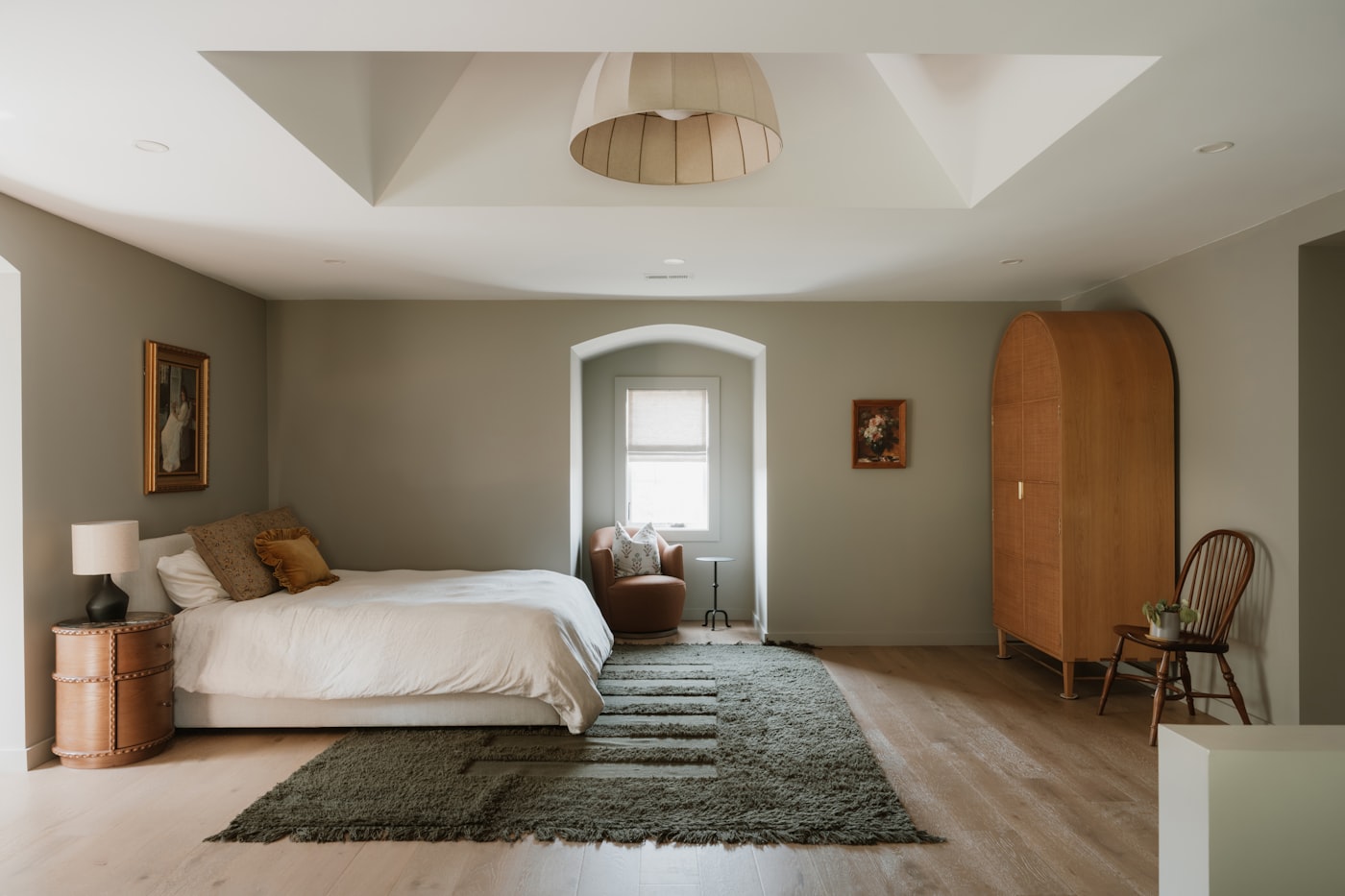
Sage and olive are the green side of the earth tone spectrum. They sit comfortably between the warmth of terracotta and the neutrality of beige, and they bring a sense of the outdoors in without requiring anything tropical or overwhelming. Muted, warm greens like these have been used in English country homes and Shaker interiors for centuries precisely because they work at human scale in enclosed rooms.
Palette 6: Sage and cream. Sage walls or a large sage linen panel paired with cream-colored furniture is the most-pinned version of this palette on social media right now. For renters who cannot paint, a sage linen duvet or a sage-colored throw does the same work as wall paint. Pair with warm cream, natural wood, and a handful of terracotta accents. The terracotta-and-sage combination is one of the most harmonious pairings in the earth tone family.
Palette 7: Olive and natural wood. Olive is deeper and more yellow-brown than sage, closer to the color of olive oil. It pairs exceptionally well with light natural wood: pine, bamboo, or light oak. An olive linen sofa with a pine coffee table and a jute rug is one of the most complete and livable earth tone palettes you can build for a small living room. No other accent colors needed.
Budget moves for sage and olive palettes: a sage linen duvet cover runs $40 to $65 from IKEA or Amazon, olive velvet cushion covers are $18 to $28 for a pair, sage removable peel-and-stick wallpaper for a single accent panel runs $35 to $80, and an olive cotton throw is $20 to $35. The whole palette can be assembled for under $120.
Palettes 8 and 9: Warm brown and tan
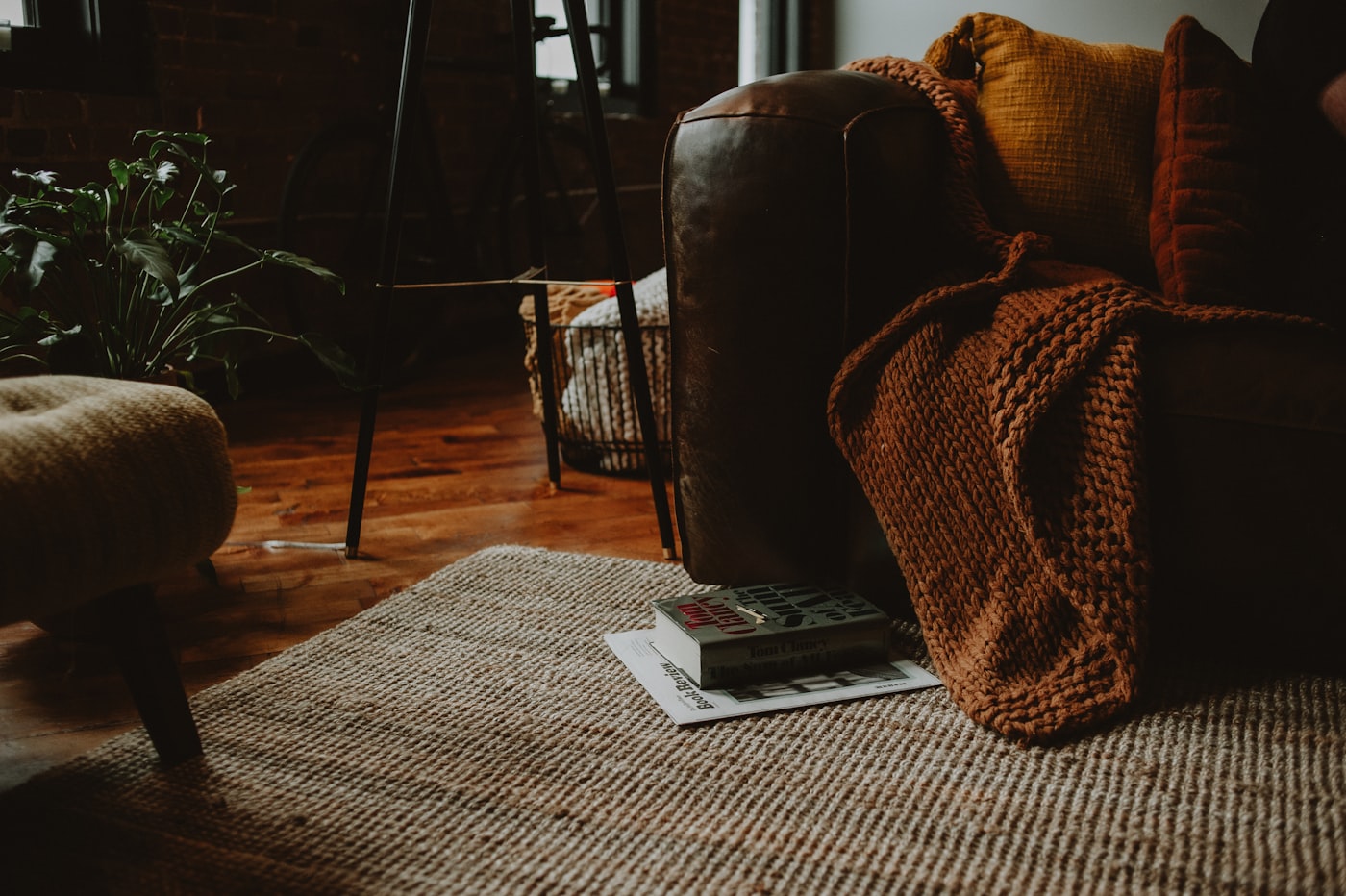
Brown is the most underrated color in the earth tone family. After a long stretch of being pushed aside by gray, warm brown is making a confident return, and small apartments are one of its best settings. Brown does not shrink a room. It grounds it. When used correctly, it gives a small apartment a sense of permanence and intention that is hard to achieve with any other color.
Palette 8: Warm brown and cream. A chocolate or mocha-brown accent, whether a leather sofa, a walnut-stained shelf, or a thick brown velvet throw, set against cream or off-white walls reads as rich and sophisticated in a small apartment. The contrast is warm rather than harsh. This palette requires very little: one or two brown anchor pieces and a sea of cream and ivory around them.
Palette 9: Tan and raw linen. Tan is lighter and sandier than brown, closer to camel or biscuit. Raw linen is the natural, undyed fiber color of linen fabric. The two together create a soft, organic palette that feels almost Moroccan or Mediterranean, particularly when you add terracotta pots and dried grasses as accent pieces. This is one of the easiest palettes to build from items you can find at any thrift store.
Palettes 10 and 11: Ochre, amber, and raw linen
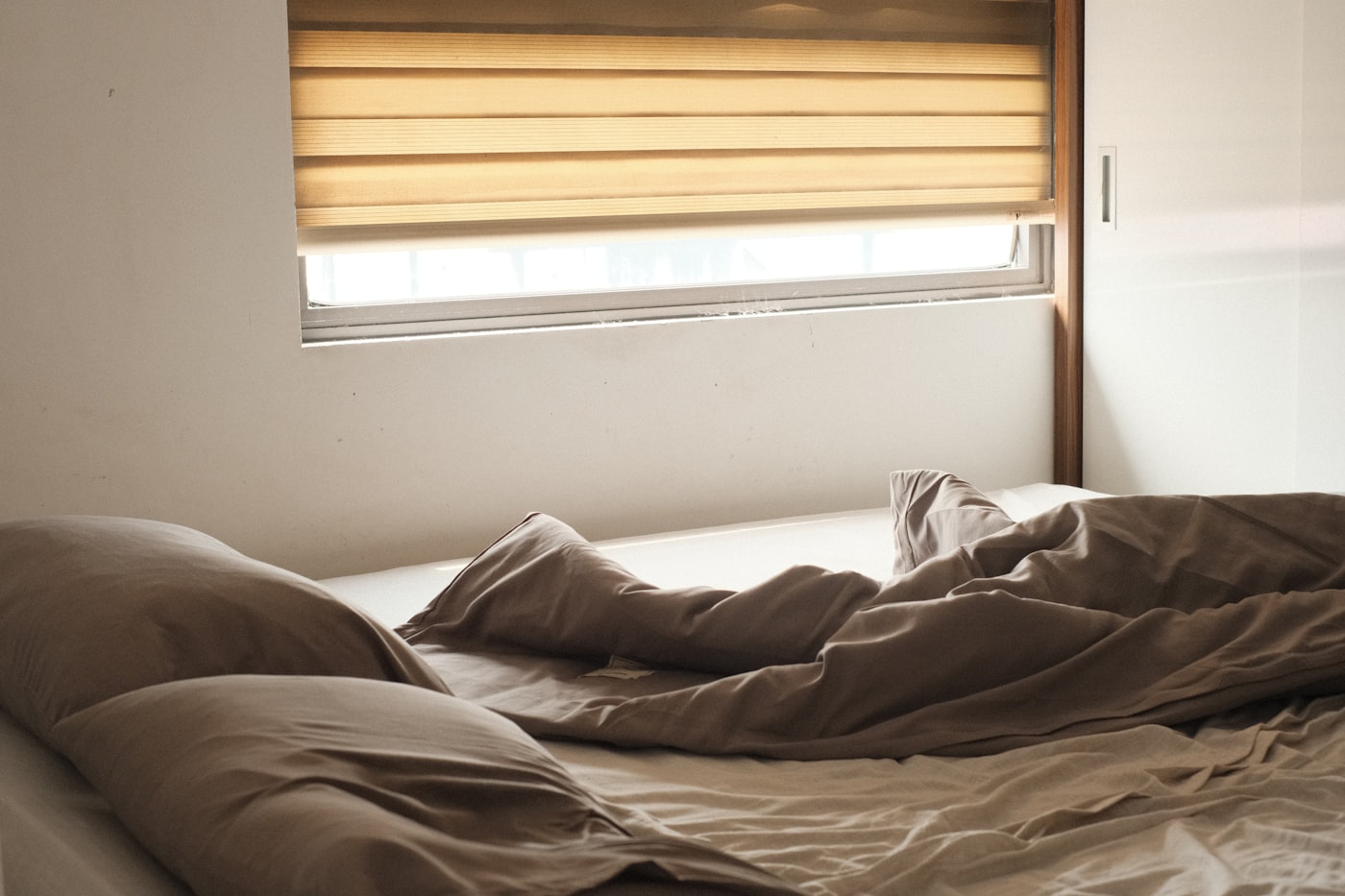
Ochre and amber occupy the yellow-gold end of the earth palette. Warmer and more saturated than beige but less orange than terracotta, they bring the visual warmth of afternoon sunlight into a space. A small amount goes a long way: one ochre lampshade or amber glass vase does the visual work of an accent wall at a fraction of the weight.
Palette 10: Ochre and warm gray. A single ochre cushion, lampshade, or small framed print brings life to a warm gray or off-white wall without overwhelming it. Ochre as an accent color is particularly effective in small apartments because even a single small piece reads clearly and confidently in a compact room. Pair with warm gray linen, natural wood, and matte black iron accents for a look that reads as curated rather than assembled.
Palette 11: Amber and ivory. Amber-toned accessories layered with ivory textiles create a palette that is warm, refined, and not trend-dependent. Amber glass vases, honey-colored candles, woven amber seagrass baskets, and ivory linen all work together without any color-coordination anxiety. This palette is particularly effective in apartments with low natural light, where the amber tones replicate the feeling of candlelight throughout the day.
Budget picks for ochre and amber palettes: an amber glass bud vase is $8 to $15 at IKEA or Target, an ochre cotton cushion cover runs $12 to $18, a honey-colored ceramic candle holder is $10 to $20, and an amber accent lamp runs $25 to $40.
Natural wood tones: the foundation layer every palette needs
Every earth tone palette in this guide performs better with natural wood visible somewhere in the room. Wood is a material rather than strictly a color, but its visual temperature sits firmly in the earth tone zone, and it anchors any palette without competing with it. No matter which of the 11 palettes above you choose, adding one natural wood piece ties the whole room together.
Specific wood tones to target: light pine or bamboo for sage and cream palettes, medium oak for terracotta and warm beige palettes, dark walnut for brown and ochre palettes, and driftwood-finish wood for raw linen and ivory palettes.
For renters who cannot replace furniture, wood-grain contact paper on desk surfaces and rattan or bamboo accessories (baskets, trays, plant stands) add the earth tone material foundation without any permanent changes. A single IKEA KALLAX shelf in the oak-effect finish changes the entire material palette of a living room for under $120. A bamboo side table from Amazon runs $35 to $50. The visual return on natural material investment in a small apartment is far greater than the cost suggests.
Earthy textiles: layer texture on a renter budget
Textiles are the fastest, most reversible, and most affordable way to shift an apartment into any earth tone palette. One linen duvet, one jute rug, and two natural cotton cushion covers can transform the visual temperature of a room in under an hour. No tools, no drilling, no deposit risk at move-out.
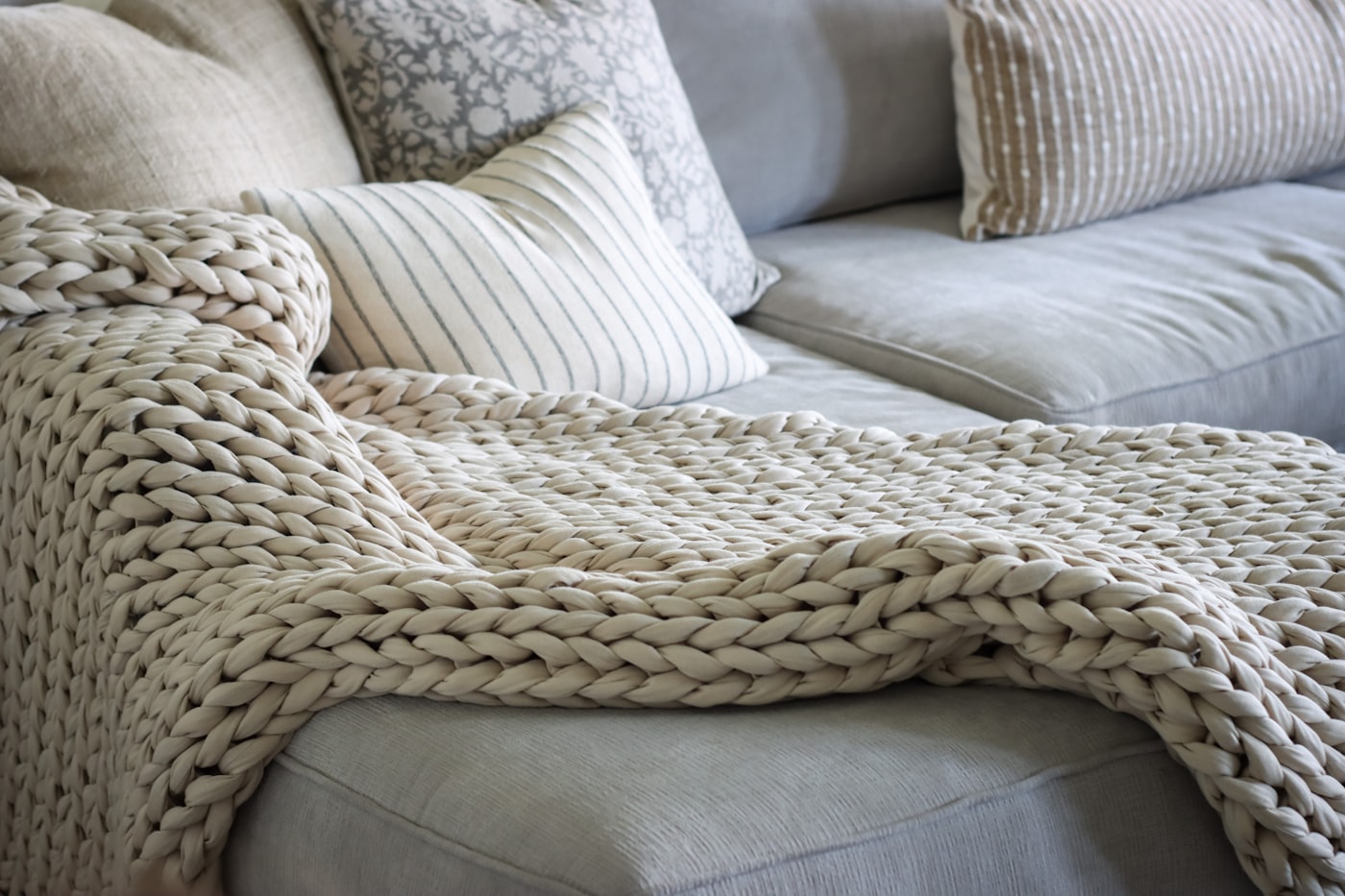
The layering order that works consistently: start with the rug to anchor the room (jute, sisal, or earth-toned wool), then add a large textile at the sofa or bed level in the dominant palette color, then layer 3 to 5 cushion covers in mixed earth textures while staying in the same temperature family, and finally add one statement textile like a chunky knit blanket in cream or oatmeal as the top layer.
The goal is that every surface you touch has a slightly different texture within the same earth tone temperature range. That tactile layering is what makes an apartment feel curated rather than assembled in a single afternoon. IKEA’s LOHALS jute rug starts at $30. H&M Home earth tone cushion covers run $8 to $15 each. Amazon’s linen throw blankets run $25 to $45. The whole textile foundation costs under $150 if you stay disciplined about palette.
For a boho-adjacent approach to earth tone textiles that goes heavy on pattern and natural fibers, see the full breakdown in our boho apartment decor under $50 guide, which covers the same textile layering strategy for a more eclectic look.
Plants, greenery, and the earth tone kitchen corner
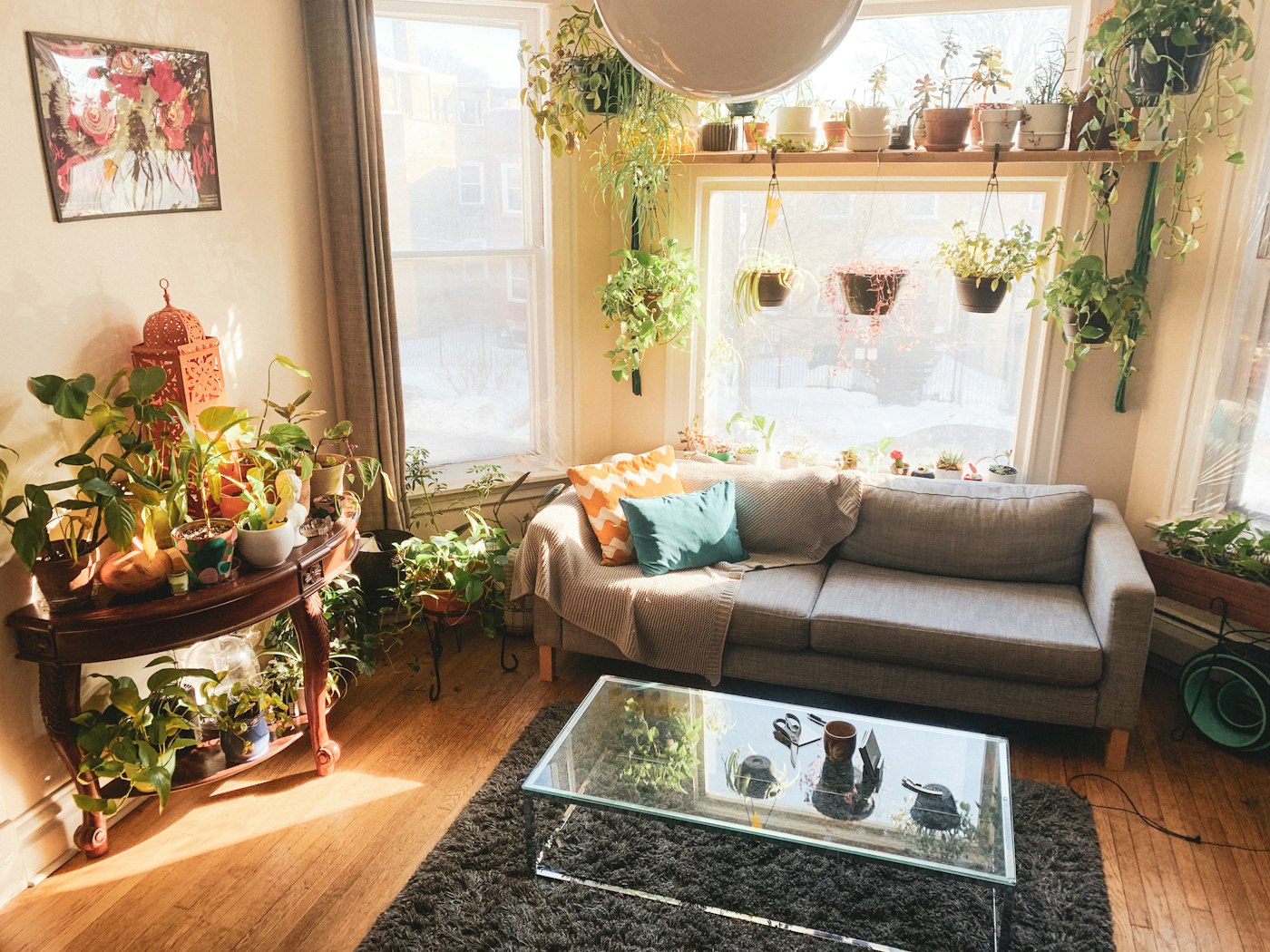
Green plants are the single best free addition to any earth tone palette. They bring the natural world directly into the color scheme without requiring any coordination effort, and they work with every single palette on this list. Pot selection matters: use terracotta pots for cream and beige palettes, cement-finish pots for sage and olive palettes, white ceramic for amber and ivory palettes, and woven seagrass basket covers for brown and tan palettes.
Dried botanicals extend the earth palette without requiring water or maintenance. Pampas grass ($8 to $20 a bundle), dried eucalyptus, dried orange slices in a clear glass vase, and dried lavender bundles all sit perfectly within the warm, organic language of earth tones. One tall bunch of dried pampas in a terracotta vase is one of the cheapest and most visually effective moves you can make in a small apartment.
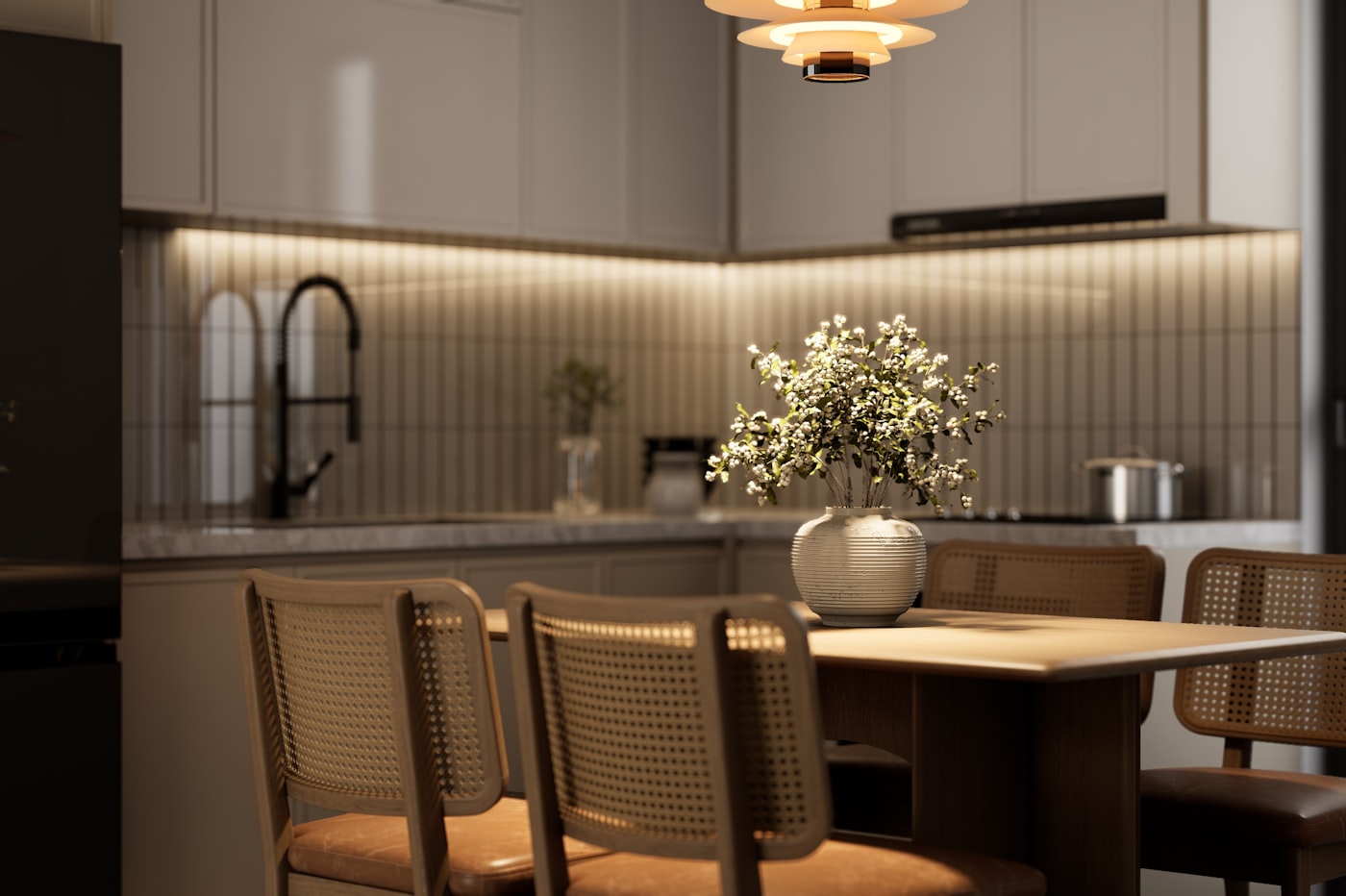
In the kitchen and dining corner, rattan or cane-back dining chairs paired with a simple wood table instantly add an earth tone anchor to what is often the coldest-looking zone in a small apartment. A set of woven placemats ($15 to $25), a terracotta mug collection on open shelving, and a warm-toned pendant light in amber glass or a natural rattan shade ($30 to $60) transform a standard white rental kitchen into something that reads as warm and intentional.
The takeaway
Earth tone color palettes work in small apartments because they are forgiving, affordable to build, and naturally compatible with the off-white walls and wood-look floors most renters are already living with. The 11 palettes in this guide range from the boldest terracotta and rust all the way through pale cream, warm sage, golden ochre, and honey amber. None of them require paint. All of them can be built in stages with individual textile and accessory purchases under $50 per piece.
The practical starting formula: pick one dominant earth tone from this list, add a jute rug and a linen textile as the base layer, then bring in one accent piece in a complementary earth shade. That three-item foundation is enough to shift a room’s entire visual temperature toward warmth and intention. Everything added after that is just refinement.
If you want to explore a more restrained, Japandi-influenced take on earth tone palettes that pairs these colors with negative space and natural wood minimalism, the Japandi small apartment guide covers that specific overlap in detail.