Most apartment renters face the same situation the moment they walk through the door: there is no dedicated space between outside and in. No mudroom, no coat closet within reach, no buffer zone at all. You step off the hallway and land directly in your living room. That stripped-back reality is the exact problem these 12 ideas address. Whether your apartment is 450 square feet or 900, a few strategic moves can turn that awkward patch of floor near your front door into a real entry zone.
You do not need a formal entryway. You need a clear system that tells you and everyone who walks in where outdoor gear belongs. Once that system is in place, the rest of your apartment feels more organized instantly.
Why Small Apartments Without an Entryway Need a Dedicated Zone
The absence of a proper entryway is not just a storage problem. It is a transition problem. When there is no visual or physical cue that separates outside from in, bags end up on the couch, shoes scatter across the living room floor, and keys vanish under throw pillows. A defined entry zone changes that behavior by giving every item a home the second you walk in.
The good news is that you do not need to build one. You can create the visual and functional effect of an entryway with as little as 12 to 18 inches of wall space. The tools are simple: hooks, a rug, a slim piece of furniture, and some intentional placement. Most renters can build a working entry zone for under $100 without putting a single permanent hole in the wall.
The key is to treat the area around your front door as its own micro-zone. Even if it technically bleeds into the living room, applying zone-specific rules (shoes stay here, bags hang here, keys land here) makes it function like an entryway even without walls or a dedicated hallway.
Wall Hooks and Shoe Racks: The Easiest Small Apartment Entryway Fix
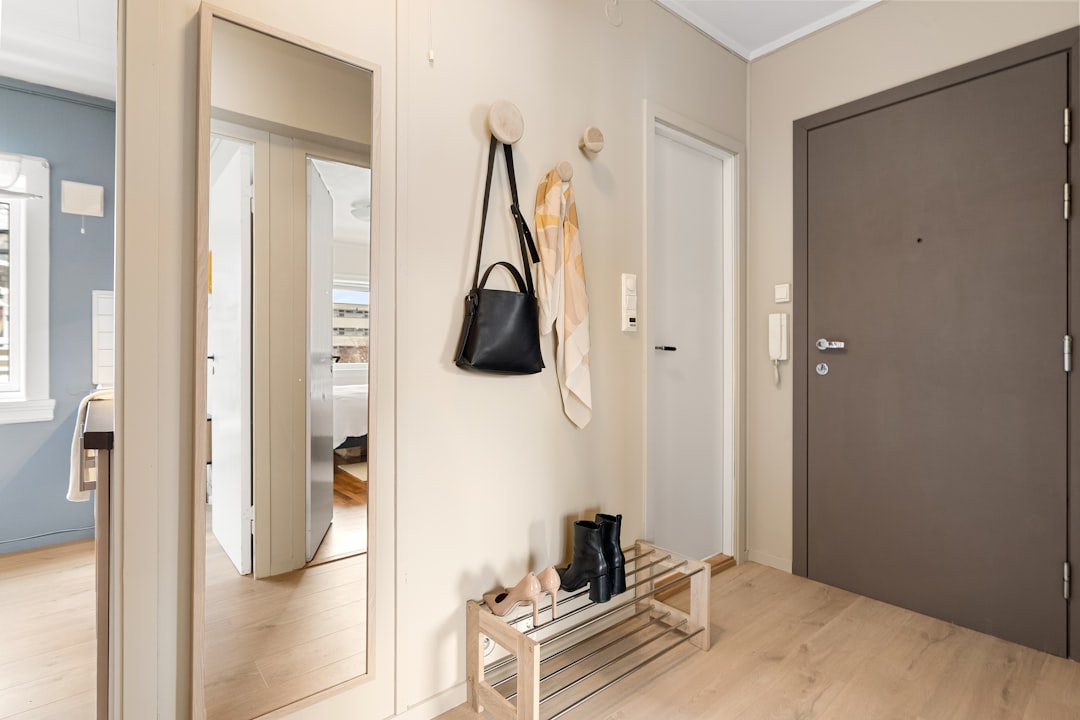
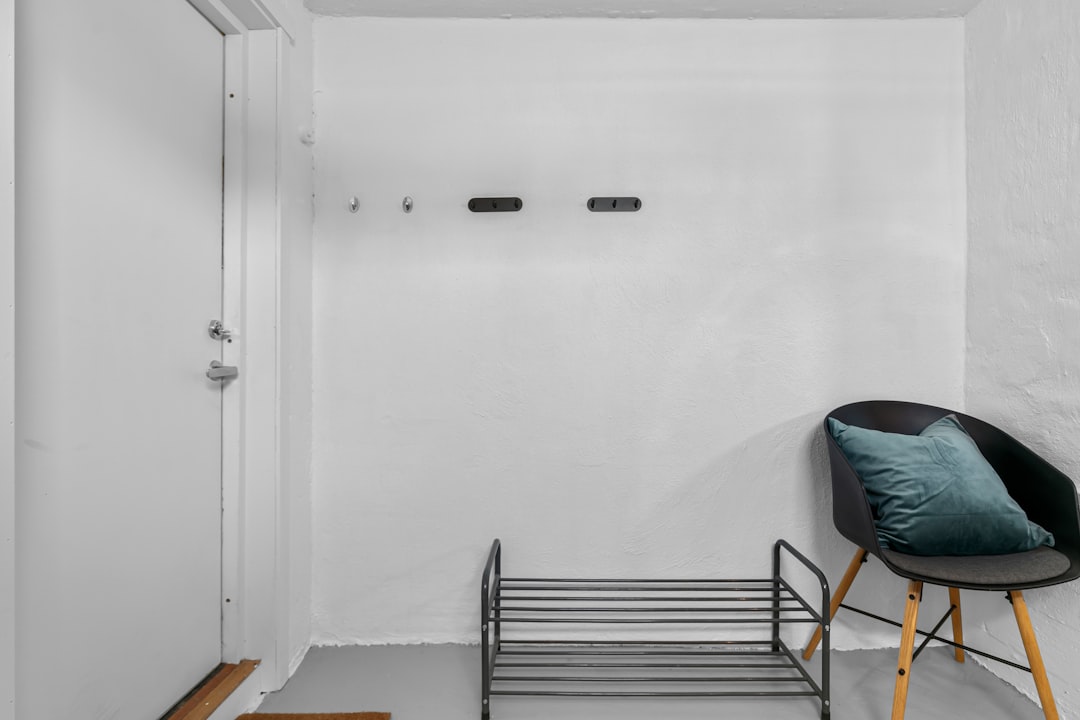
If you only do one thing, put up hooks. A row of three to five wall-mounted hooks positioned at shoulder height near the door handles bags, coats, umbrellas, and dog leashes without requiring any floor space. IKEA’s KUBBIS hooks run about $8 for a five-hook rail. Command strips-based alternatives like the Command Large Utility Hook ($5 each) hold up to 7.5 pounds and leave no damage when you move out, making them the go-to choice for renters.
Pair your hooks with a slim shoe rack underneath. The Songmics 3-tier shoe rack at $25 holds up to nine pairs in a footprint of roughly 10 by 20 inches. If floor space is extremely tight, an over-the-door shoe organizer clears the floor entirely while storing 18 to 24 pairs in the back of a closet door or the apartment door itself.
For a more polished look, install a floating shelf at the hook row with a small basket underneath. The shelf holds a key bowl and a candle; the basket corrals folded reusable bags. The entire setup takes up about 24 inches of wall space and costs under $50 combined. It is also the setup that looks most like a purposeful entry in photos, which matters if you want your small space to feel intentional rather than improvised.
- IKEA KUBBIS 5-hook rail: $8
- Command Large Utility Hooks (renter safe): $5 each
- Songmics 3-tier shoe rack: $25
- Over-door shoe organizer: $15 to $30
Slim Console Tables for a Small Apartment Entryway Without Extra Space
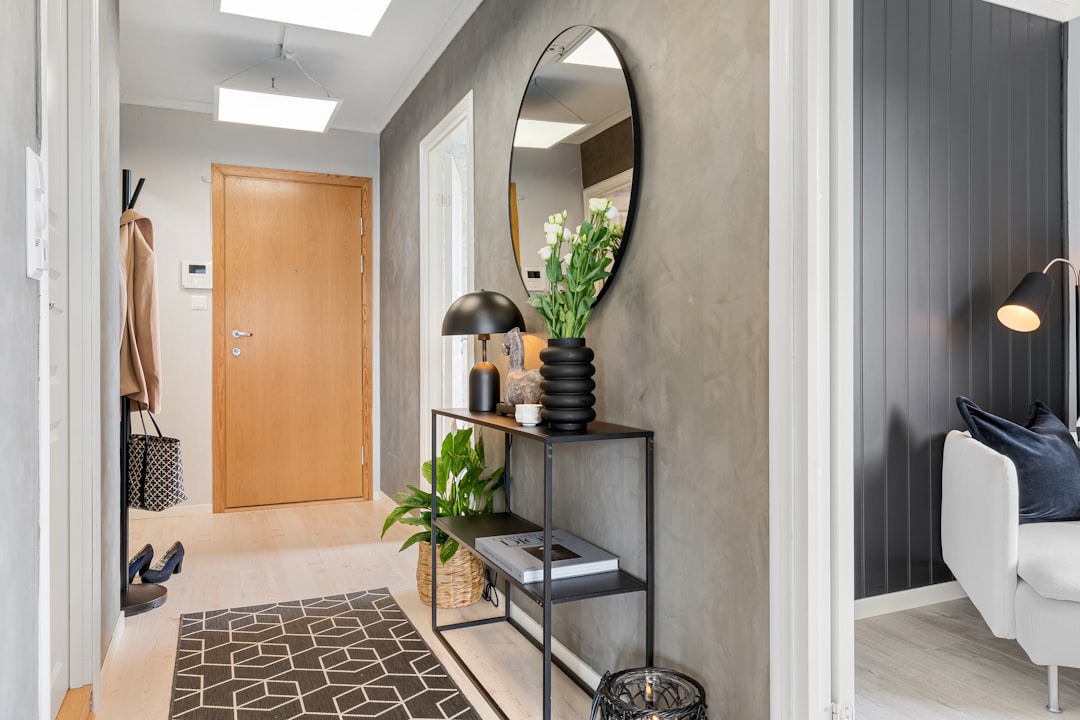
A console table is the single piece of furniture that most convincingly creates an entryway where none existed. The critical spec: depth. A console table that is 10 to 12 inches deep takes up almost no floor space but still provides a surface for keys, a small lamp, a tray, or a plant. It signals entry zone more clearly than any other piece because a table next to a front door reads universally as an entryway table, even when there is no actual entryway around it.
The Prepac Entryway Floating Desk ($60, 12 inches deep) mounts to the wall so you lose zero floor space. The IKEA LACK wall shelf ($20, 10 inches deep) works similarly and supports up to 22 pounds. For a freestanding option, the Amazon Basics narrow console table at $55 is 12 inches deep and 42 inches wide, with a lower shelf for baskets or shoe storage underneath.
Styling the surface matters almost as much as the table itself. A small tray corrals keys and sunglasses. A single stem in a bud vase adds life. A thin lamp or a plug-in sconce above the table adds warmth and visual anchor. Keep the surface to three items maximum so it does not become a clutter magnet.
- Depth under 14 inches keeps traffic flow clear in tight spaces
- Add a lower shelf or basket underneath for shoe storage
- A mirror above the table doubles the entry zone visually
- Plug-in sconces (no electrician needed) add a high-end look for $30 to $60
Coat Racks That Do Not Require a Mudroom
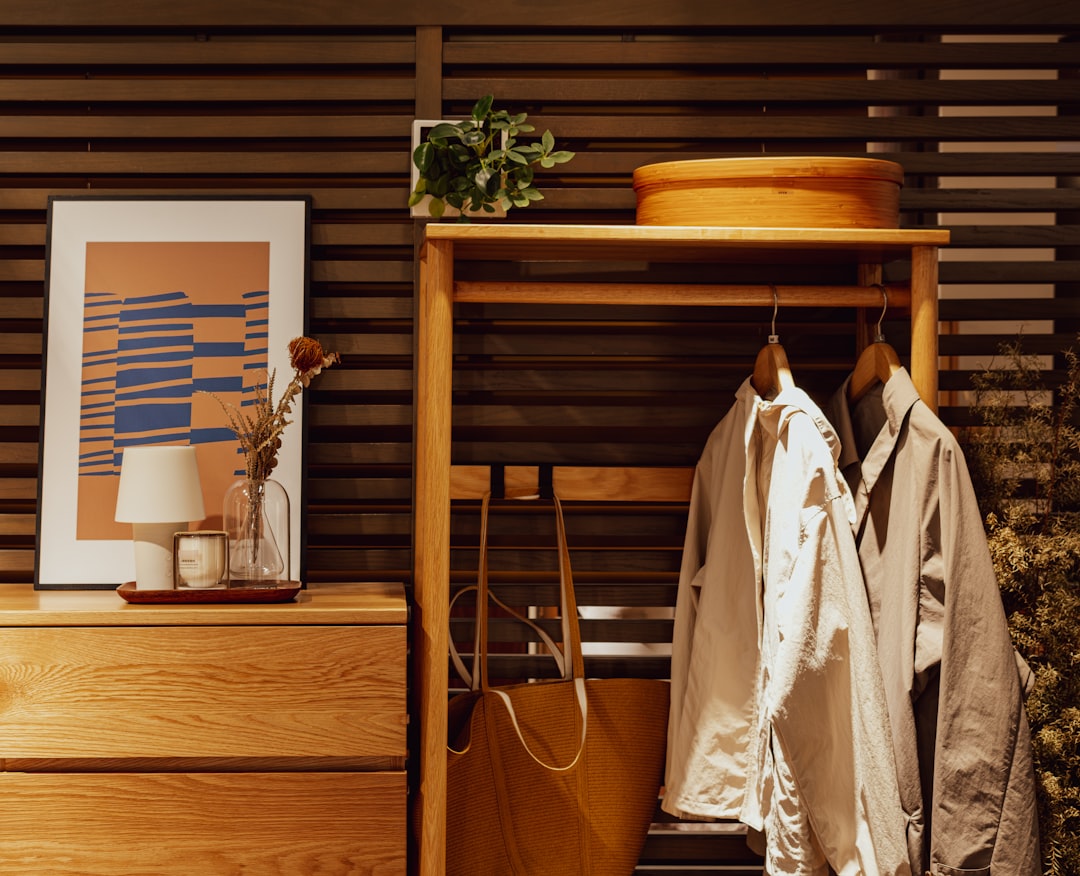
A freestanding coat rack is the zero-commitment option for renters who do not want to put any holes in walls and want flexibility to rearrange later. A good one holds four to six coats plus bags and hats, costs $40 to $90, and takes up an 18-inch square footprint. Position it in the corner nearest your door and it looks intentional from the start.
The Songmics freestanding coat rack at $45 has eight hooks and a small base shelf for two pairs of shoes. For a warmer look, the Umbra Trigg wooden coat rack ($75) has a Scandi-inspired design that works with neutral and minimalist interiors. If your apartment has a corner right by the door, a corner coat rack maximizes the space that would otherwise be dead.
Wall-mounted coat racks give a cleaner look than freestanding versions. The IKEA HEMNES multi-hook rail ($40, 5 hooks) mounts flat to the wall with a small shelf above and hooks below. The Shaker-style Pottery Barn version ($80 to $120) gives a more finished look if the entry is visible from the main living area.
If your lease prohibits wall anchoring, try a pressure-mounted tension rod system inside a closet doorframe. A tension rod at shoulder height inside the closet door opening holds four to five hangers without mounting hardware, giving you a small coat wardrobe in what otherwise would be wasted doorway space.
Full-Length Mirrors to Open Up Your Entry Zone
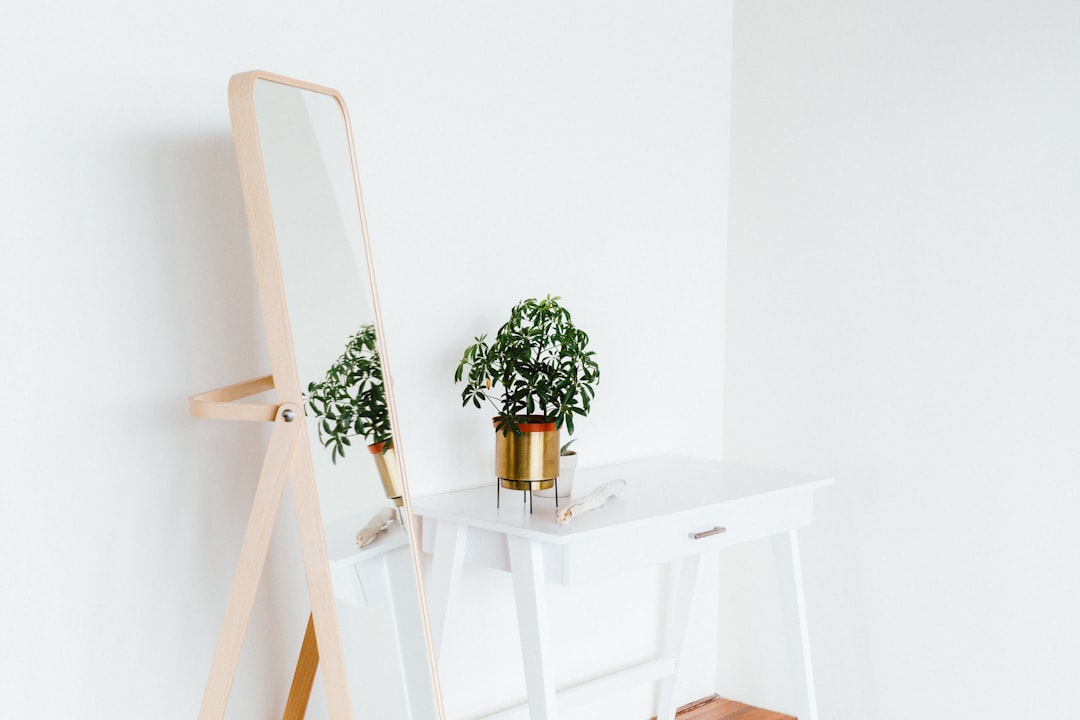
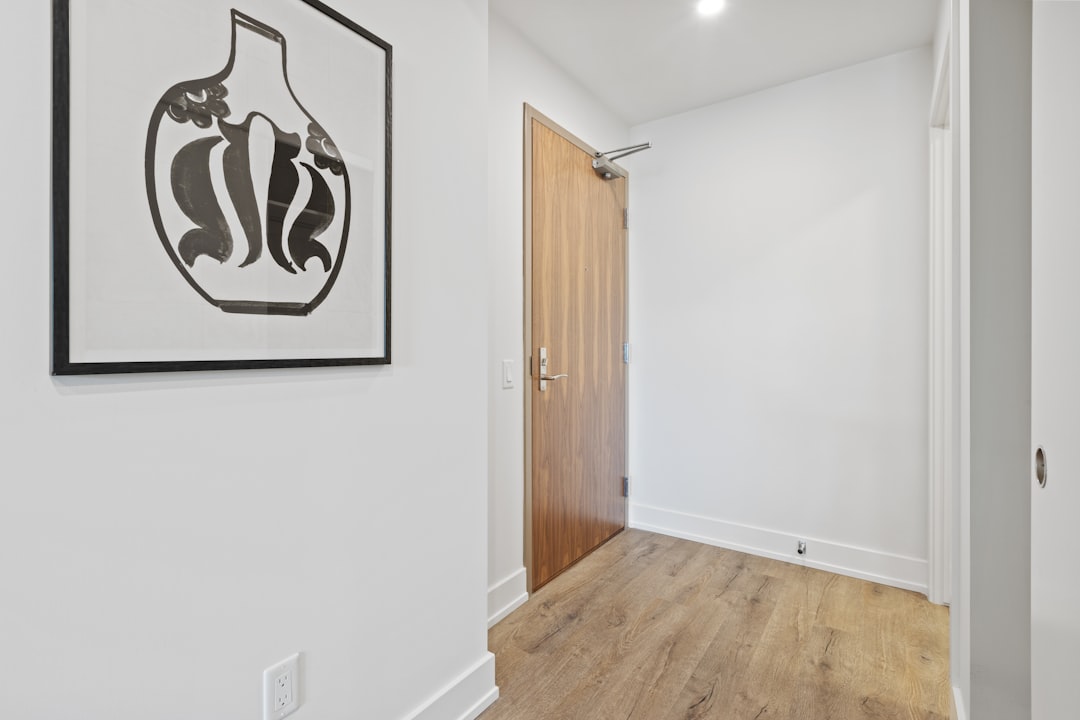
Placing a full-length mirror near your front door accomplishes two things: it gives you a last-look check before leaving, and it makes a small, tight entry zone feel twice as large by bouncing light and extending the sightline. In a narrow apartment corridor, a mirror is not just decorative. It is structural in how it changes the spatial experience of the space.
A leaning mirror works especially well for renters because it requires no installation. The Umbra Hub Leaning Mirror ($80, 19 by 65 inches) leans against the wall in under five seconds. The IKEA NISSEDAL floor mirror ($80 to $100) is a budget-friendly option with a wood frame that anchors to a wall anchor if preferred. If you want something more decorative, a round wall mirror in a black or brass frame above a console table reads as a very intentional design choice for $30 to $90.
The mirror does not need to be positioned exactly at the door. It can flank the door, face down a short corridor, or sit in a corner. The only placement to avoid is directly opposite a window in a way that creates glare. Pair the mirror with a small plant or a single piece of wall art to make the zone feel curated rather than afterthought.
Shoe Storage Solutions When You Have No Mudroom
Shoes are the biggest source of entryway chaos in apartments. Without a mudroom or a built-in bench with storage, shoes scatter. The fix is to decide on exactly one shoe storage method and commit to it completely.
For two to four pairs of everyday shoes, a small wire rack directly inside the door takes up the least space. If you have six or more pairs in regular rotation, a closed shoe cabinet is better because it keeps the visual noise hidden. The IKEA STÄLL 4-pair shoe cabinet ($55, 13 inches deep) fits in almost any narrow spot and looks like a piece of furniture rather than a storage product.
Over-door organizers work well in apartments where the front door has clearance to swing in fully without hitting anything. Check the door swing before ordering. The best option clears the floor entirely while holding 12 to 24 pairs in the back of a closet or on the back of the apartment door itself.
A low upholstered bench with hidden storage combines seating (useful for putting on shoes) with shoe organization. The Yaheetech storage bench at $50 has a lift-top compartment that holds four to six pairs. At 16 inches deep and 30 inches wide, it fits in most apartment entry zones and doubles as extra seating when guests arrive.
- Wire rack: best for 2 to 4 pairs, least visual footprint
- Closed shoe cabinet: best for 4 to 8 pairs, cleanest look
- Over-door organizer: best for tight floor space, holds the most
- Storage bench: best when you also need seating
Rugs and Lighting to Signal Your Entryway Zone
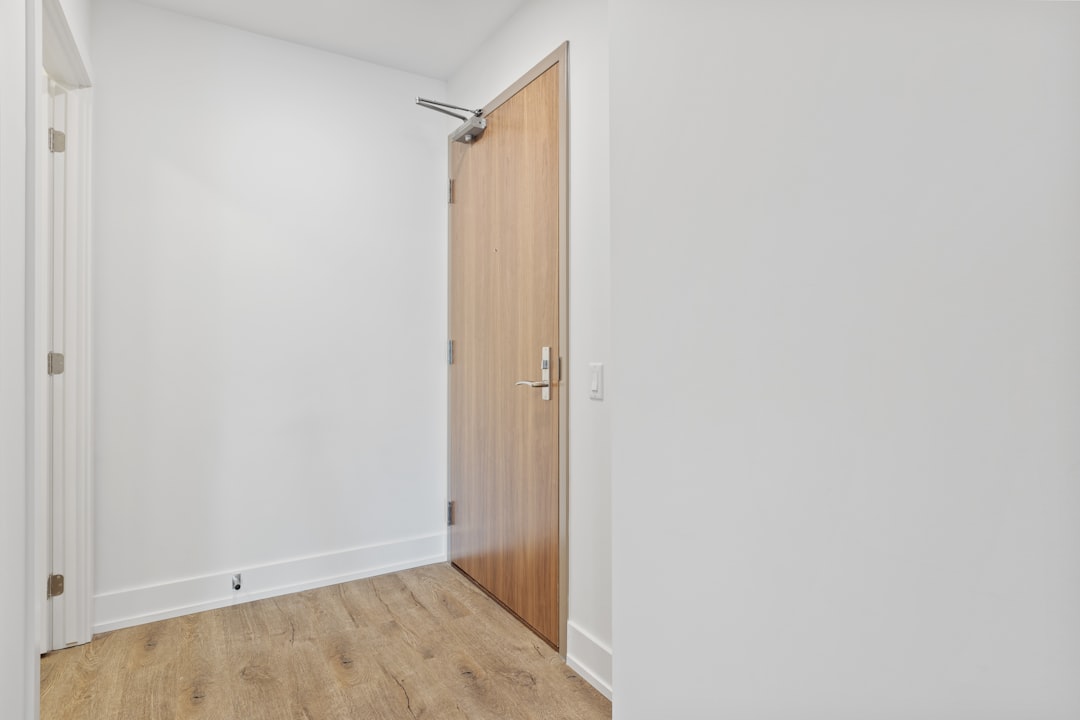
A rug is the least expensive and most powerful way to define an entry zone in an open-plan apartment. When you place a 2 by 3 foot or 3 by 5 foot rug directly in front of the door, it tells everyone who enters, including yourself, that this patch of floor is different from the rest of the apartment. That visual cue is enough to change behavior.
Choose a rug that is easy to clean. Flat-weave cotton or jute works well near doors because it handles dirt and moisture better than a plush pile. The Ruggable washable rug system ($75 to $120) is popular with renters because the cover comes off the pad and goes straight into the washing machine. For a budget version, any flat-weave doormat from Target or Amazon in the $20 to $35 range does the same job visually.
Lighting makes an equally strong difference. A battery-powered LED puck light under a console table shelf, or a plug-in wall sconce beside the door, separates the entry zone from the rest of the room in the evening. Warm bulbs (2700K to 3000K) at low wattage create an inviting amber glow without lighting the whole room. The Govee Neon Rope Light ($25) used under a floating shelf adds a subtle glow for under $30.
Art and Gallery Walls to Define a Visual Entryway
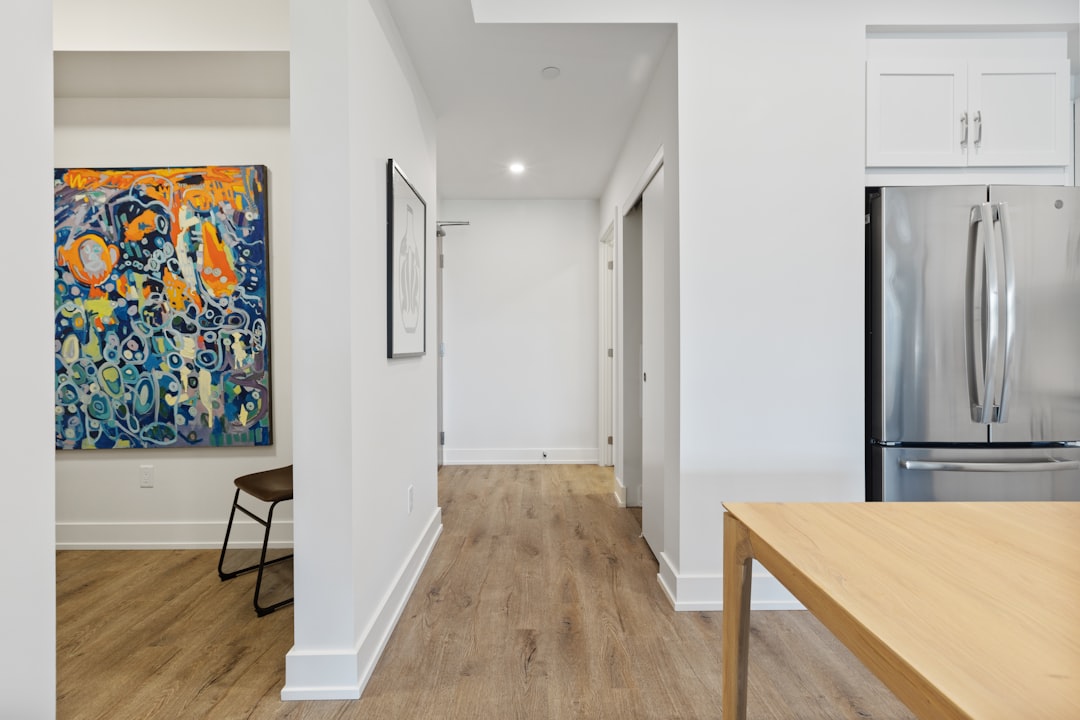
When you have almost no floor space near the door, the wall becomes your only canvas. A single large piece of art or a small gallery wall above a console table anchors the entry zone visually without using any floor space at all. It communicates that this area is intentional rather than just a dead space between the door and the living room.
The most effective approach is one large statement print (24 by 30 inches or bigger) hung at eye level, positioned so it is visible as you enter. Abstract prints, architectural photography, and botanical illustrations all work well. Frame it in a simple black or thin natural wood frame for a modern apartment look. A $15 to $30 print from Society6 or Desenio combined with a $20 IKEA frame creates a high-impact result.
A gallery wall of three to five smaller frames can work just as well if kept tightly clustered with 2-inch gaps between frames. Spread-out gallery walls in small spaces look messy; tight groupings look intentional. Use Command picture hanging strips to keep the arrangement renter-safe and adjustable.
Adding a small plant, a sculptural object, or a wall-mounted light to the art arrangement elevates the zone further. The goal is to make the wall near the door feel like a landing spot for the eye, not just an empty barrier.
Baskets, Trays, and Door Organizers for Daily Essentials
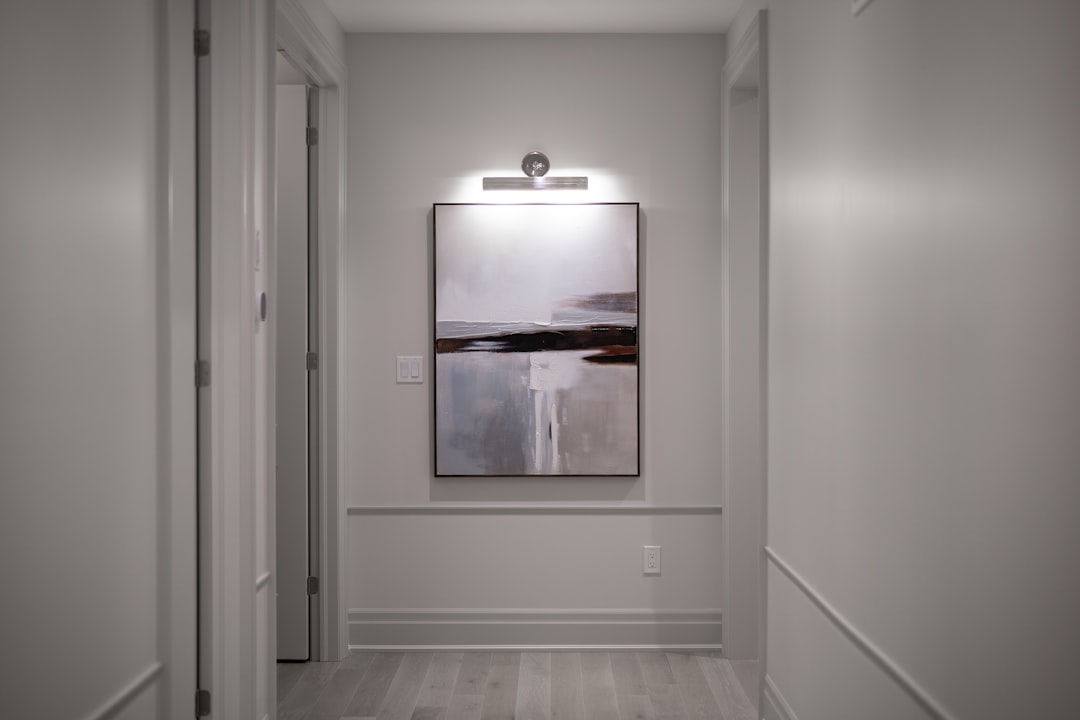
The last category is the one that keeps the entry zone working day-to-day: a system for the small stuff. Keys, sunglasses, charging cables, masks, AirPods, lip balm, mail, dog treats. These items end up on every flat surface in the apartment because there is no dedicated spot for them near the door. A tray or basket on the console table surface, a key hook mounted at the door, and a mail slot on the wall solve this problem with minimal investment.
A small ceramic tray (6 by 8 inches) on the console table surface serves as the landing zone for everything you empty from pockets. Keeping it under four items makes it function; letting it overflow makes it chaos. A dedicated key hook at the door, mounted at your eye level or just below, eliminates lost keys. The IKEA KUBBIS single hook or a small Command hook both work and cost under $5.
Wall-mounted mail sorters do double duty as both storage and decor. The MUID wall-mounted organizer ($30 to $45) has slots for mail plus small hooks below for keys and a top shelf for small items. It handles three functions in one unit and mounts with minimal wall damage using included hardware.
If you have a closet near the door, a hanging organizer inside the door can hold everything from shoes to bags to rolled-up umbrellas in a single 10-inch deep pocket system. This keeps the floor and visible surfaces clear while still keeping essentials accessible.
The Takeaway
Creating an entryway in a small apartment without an actual entryway comes down to a simple set of decisions. Pick one wall for hooks and one floor spot for shoes. Add a surface at the door level, even if it is just a floating shelf. Anchor the zone with a rug and a single piece of art. Layer in small systems for keys and daily essentials. That combination, spread across 12 to 24 inches of wall and 2 to 3 square feet of floor, creates a functional entry zone that makes every coming-home feel more organized.
Budget does not have to be a barrier. The entire setup described in this article can be built for under $150 using IKEA pieces, Amazon basics, and Command hooks. Start with the one item that addresses your biggest frustration, which is usually shoes or the key problem, and build from there.
Related Reading
For more ideas on making the most of a small apartment without dedicated spaces, explore these guides:
- 12 Dining Setups for Small Apartments Without a Dining Room applies the same “zone without a room” thinking to your eating area.
- 15 Convertible Furniture Ideas for Tiny Apartment Renters covers space-saving pieces that do double duty throughout the apartment.
- 21 Scandi Style Ideas for a Small Apartment shows how the Scandinavian approach to minimalism and function translates perfectly to compact entryway design.